S. 2845: Billionaires Income Tax Act
Sponsor
Ron Wyden
Democrat · OR
Buy it, borrow against it, die — billionaires pay zero. This bill ends that.
Why it matters
You pay taxes every paycheck. A billionaire buys $500 million in stock, borrows against it to fund their lifestyle, and never sells. When they die, the gains reset to zero and their heirs sell tax-free. The bill's purpose section calls this "buy, borrow, die" — and S. 2845 closes it by forcing annual mark-to-market taxation on more than 30 provisions across the tax code.
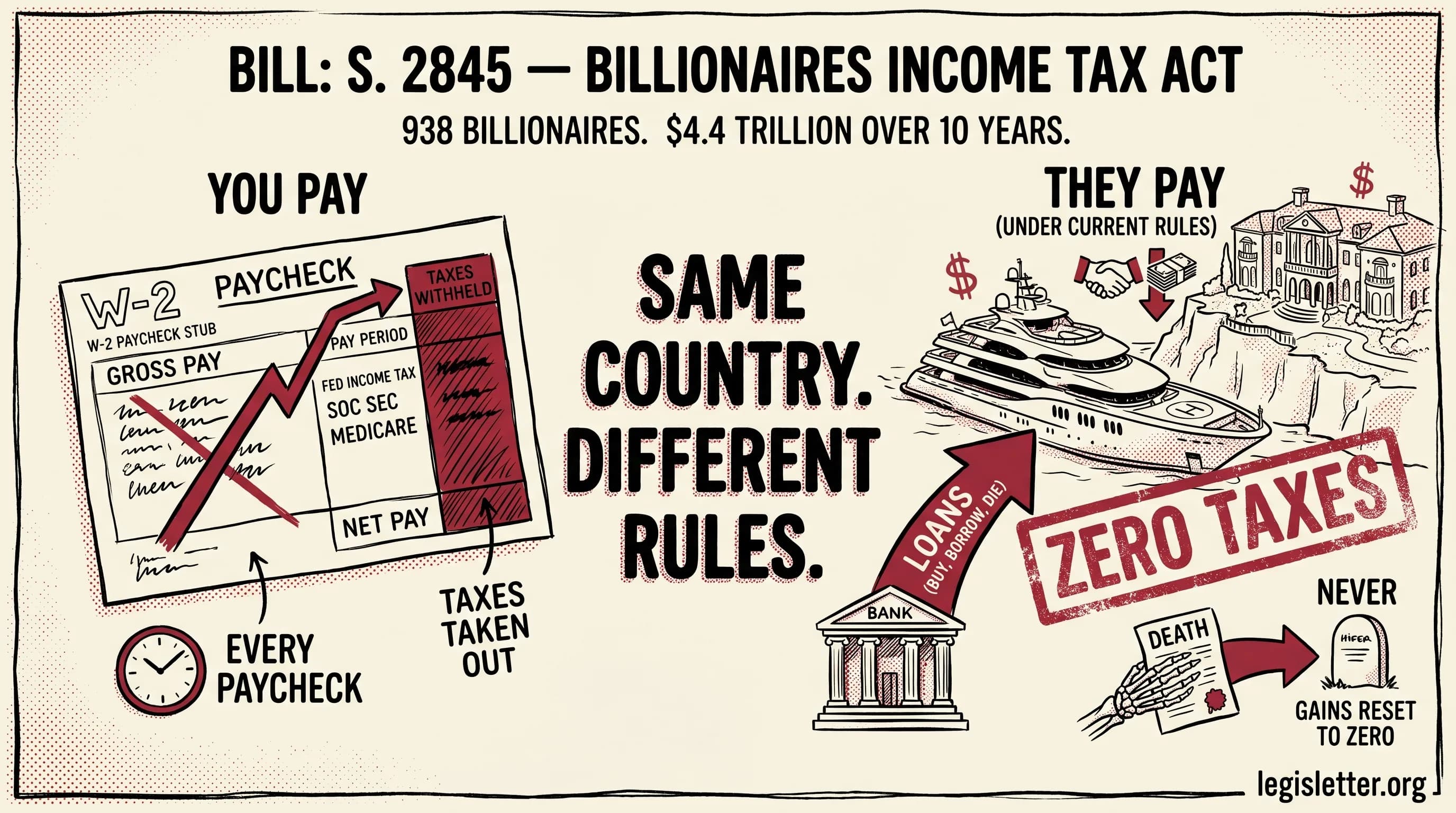
The bill rewrites how the tax code treats the ultra-wealthy by attacking the core deferral mechanism: the ability to hold appreciating assets, borrow against them tax-free, and pass them to heirs at a stepped-up basis.
The headline provision is mark-to-market taxation. Starting in 2026, covered taxpayers would owe taxes on gains annually — the same way your paycheck gets taxed — instead of waiting until they sell. If their assets drop in value, they can carry those losses back up to 3 years against prior gains.
But the bill goes much further than mark-to-market. It shuts down over 30 tax strategies: like-kind exchanges for covered entities, the qualified small business stock exclusion (for sales after September 17, 2025), certain opportunity zone deferrals, private placement life insurance tricks, and large deferred compensation packages above $5 million.
It also targets expatriates. If you're a covered taxpayer who renounces U.S. citizenship, you face immediate taxation on all assets — no elections, no deferrals.
The bill doesn't create new spending. It's a pure revenue play — closing loopholes that allow legal tax avoidance at the top.
Bill Progress
Latest Action · Sep 17, 2025
Read twice and Referred to Finance. for review
S. 2845 Bill Summary
What S. 2845 actually does.
Billionaires pay taxes annually — like you do on your paycheck
Mark-to-market taxation starting in 2026. Covered taxpayers owe taxes on asset gains every year, whether they sell or not. If assets drop, losses carry back up to 3 years.
"Buy, borrow, die" stops working
The bill's stated purpose is ending the strategy where the ultra-wealthy buy appreciating assets, borrow against them tax-free for living expenses, and pass them to heirs at a stepped-up basis — erasing the gains entirely.
30+ tax loopholes closed at once
Like-kind exchanges, private placement insurance, deferred compensation above $5M, qualified small business stock exclusions, and certain opportunity zone elections — all restricted or eliminated for covered taxpayers.
Renounce your citizenship, pay the bill first
Covered expatriates face immediate taxation on all assets. No deferral elections, no delayed recognition. The exit tax applies for 10 years after expatriation.
Who benefits from S. 2845?
Everyone who pays taxes on their paycheck
The bill's explicit purpose is closing the gap between how wage earners are taxed (every pay period) and how billionaires are taxed (potentially never, through legal deferral). If it works, the tax code treats a dollar the same regardless of whether it came from a salary or a stock portfolio.
The federal budget
Pure revenue play. No new spending in the bill — every dollar raised from closing these loopholes goes to the Treasury. Outside estimates suggest similar proposals could raise trillions over a decade.
Who is affected by S. 2845?
Billionaires and ultra-high-net-worth taxpayers
The direct targets. Mark-to-market taxation means paying taxes on unrealized gains annually. The buy-borrow-die playbook stops working. Private placement insurance loses its tax shelter status.
Executives with deferred compensation above $5 million
New taxes apply to large deferred pay packages. Payors must report payments above $5M. Severance gets a 10% surcharge.
Wealth managers, tax attorneys, and estate planners
The bill eliminates or restricts many of the strategies these professionals build client plans around — like-kind exchanges, opportunity zones, QSBS exclusions, and stepped-up basis at death.
Startup founders using the QSBS exclusion
The qualified small business stock exclusion — which can shelter up to 100% of gains on startup equity — shuts off for covered taxpayers on sales after September 17, 2025. Stock acquired before that date is grandfathered.
S2845 Legislative Journey
Committee Action
Sep 17, 2025
Read twice and referred to the Committee on Finance.
About the Sponsor
Ron Wyden
Democrat, OR · 45 years in Congress
Committees: Finance, Joint Committee on Taxation, Energy and Natural Resources
View full profile →
Cosponsors (23)
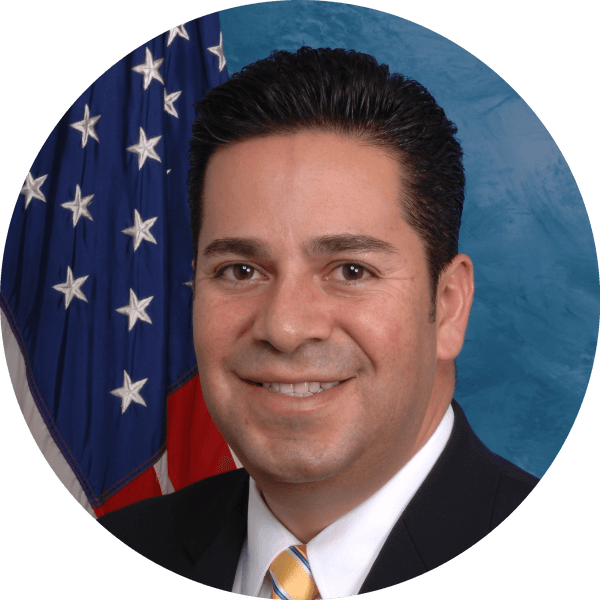
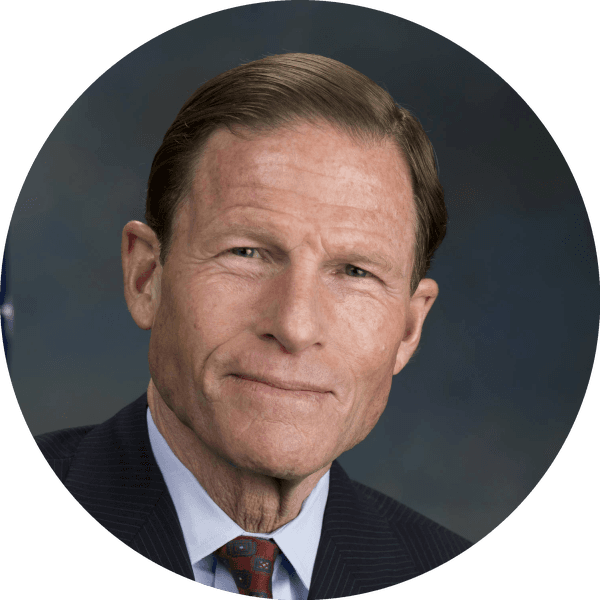
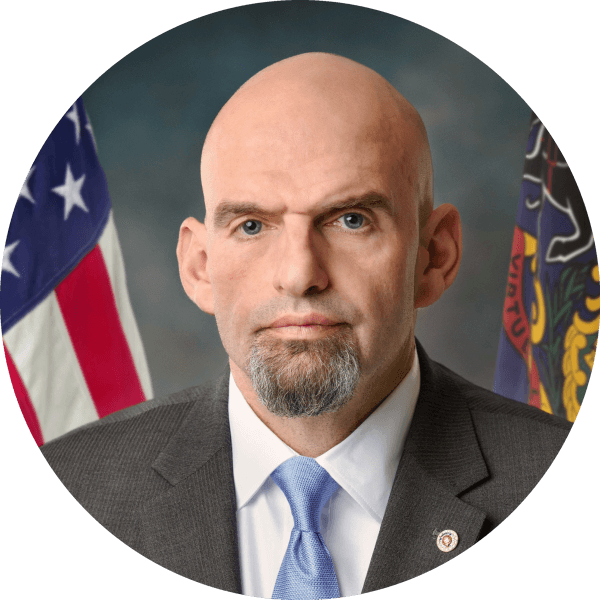
This bill has 23 cosponsors: 22 Democrats, 1 Independent. Cosponsors represent 15 states: California, Connecticut, Delaware, and 12 more.

Sheldon Whitehouse
Democrat · RI

Elizabeth Warren
Democrat · MA
Bernie Sanders
Independent · VT
Tina Smith
Democrat · MN
Ben Luján
Democrat · NM

Peter Welch
Democrat · VT

Angela Alsobrooks
Democrat · MD

Tammy Baldwin
Democrat · WI
Richard Blumenthal
Democrat · CT

Tammy Duckworth
Democrat · IL
John Fetterman
Democrat · PA

Martin Heinrich
Democrat · NM
Committee Sponsors
Finance Committee
6 of 27 committee members cosponsored


7 Democrats across this committee haven't cosponsored yet. Mobilize their constituents
S. 2845 Quick Facts
- Committee
- Finance
- Chamber
- Senate
- Policy
- Taxation
- Introduced
- Sep 17, 2025
Read twice and Referred to Finance. for review
Sep 17, 2025
Official Sources
Official Congress.gov page for the Billionaires Income Tax Act, with bill text, actions, sponsors, and status updates.
Official IRS guidance page for Opportunity Zones and qualified opportunity funds, relevant to the bill's limits on new elections.
Provides official IRS explanations of qualified opportunity funds and elections affected by the bill.
Official IRS explanation of like-kind exchange rules, relevant because the bill limits this treatment for covered entities.
Official IRS page on the net investment income tax, relevant because the bill references changes affecting high-income taxpayers under existing tax rules.
The bill amends section 1212 to add a 3-year carryback for certain marked-to-market losses.
Official Congressional Budget Office listing for cost estimates, useful if a revenue estimate for this tax bill is later published.
S. 2845 Common Questions
What is 'buy, borrow, die' and how does S. 2845 stop it?
It's the strategy where billionaires buy appreciating assets, borrow against them for spending money (loans aren't taxable income), and hold until death — when the gains reset to zero for their heirs. S. 2845 forces annual taxation on those gains, breaking the cycle.
Would S. 2845 affect my taxes?
Almost certainly not. The bill targets "applicable taxpayers" — billionaires and ultra-high-net-worth individuals. If you earn a regular paycheck, you're already taxed the way this bill wants billionaires to be taxed.
How much revenue would the billionaire tax raise?
No CBO score yet for S. 2845 specifically. A companion proposal by Sanders and Khanna (the Make Billionaires Pay Their Fair Share Act) estimated $4.4 trillion over 10 years from a 5% wealth tax on 938 billionaires.
Is a billionaire income tax constitutional?
That's the big legal question. The Constitution requires direct taxes to be apportioned among the states. The Sixteenth Amendment permits unapportioned income taxes — but taxing unrealized gains pushes the definition of "income" into contested territory. Expect a Supreme Court challenge if it passes.
What happens to startup founders who use the QSBS exclusion?
The qualified small business stock exclusion — which can shelter up to 100% of gains on startup equity — shuts off for covered taxpayers on sales after September 17, 2025. Stock acquired before that date is grandfathered.
Can billionaires just leave the country to avoid this?
The bill anticipates that. Covered expatriates face immediate taxation on all assets — no deferral elections. The exit tax applies for 10 years after renouncing citizenship.
Who introduced the Billionaires Income Tax Act?
Sen. Ron Wyden (D-OR), the ranking member of the Senate Finance Committee, with 21 cosponsors. A companion House bill is H.R. 5427.
Based on S. 2845 bill text
S. 2845 Bill Text
“To amend the Internal Revenue Code of 1986 to eliminate tax loopholes that allow billionaires to defer tax indefinitely through planning strategies such as “buy, borrow, die”, to modify over 30 tax provisions so that billionaires are required to pay taxes annually, and for other purposes.”
Source: U.S. Government Publishing Office
Get notified when S. 2845 moves
Committee votes, floor action, cosponsor changes — straight to your inbox.
Bill alerts + Legisletter's monthly briefing. Unsubscribe anytime.
Taxation Bills
9 related bills we're tracking
American Family Act




Referred to the House Committee on Ways and Means.
Apr 9, 2025
Freedom to Invest in Tomorrow’s Workforce Act


Referred to the House Committee on Ways and Means.
Feb 7, 2025
Main Street Tax Certainty Act
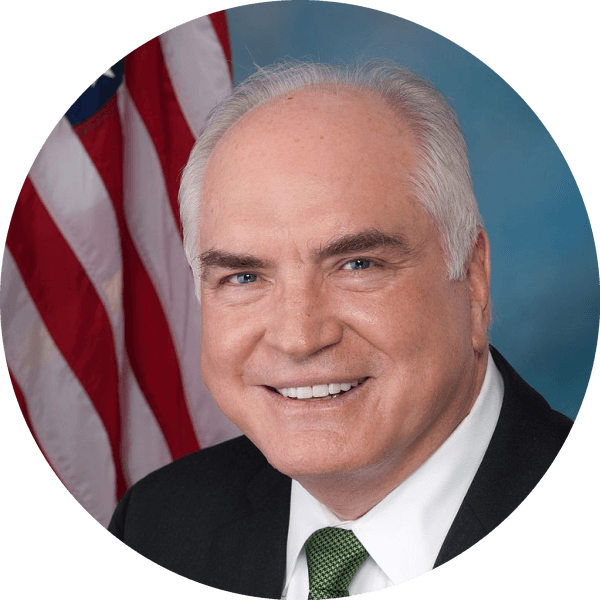
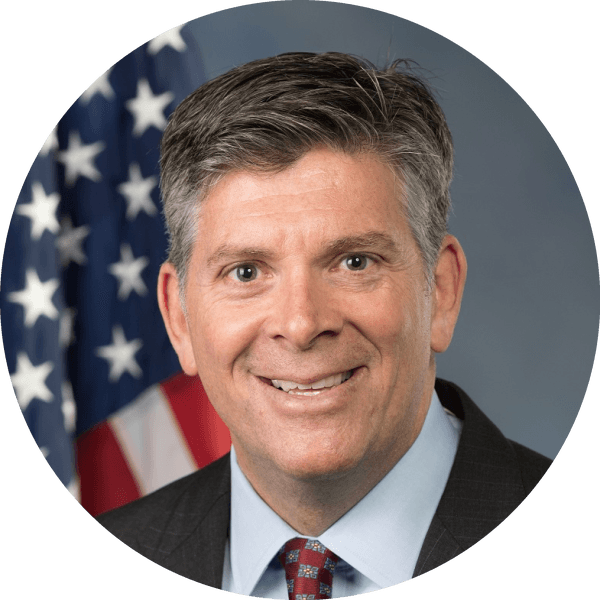
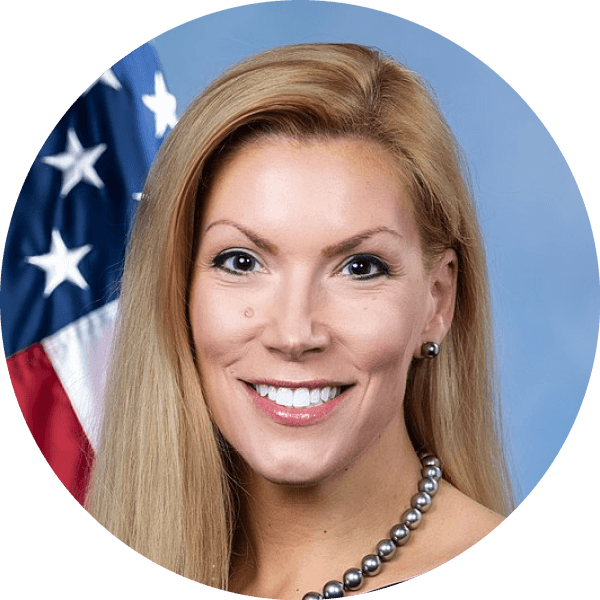

Referred to the House Committee on Ways and Means.
Jan 23, 2025
Death Tax Repeal Act


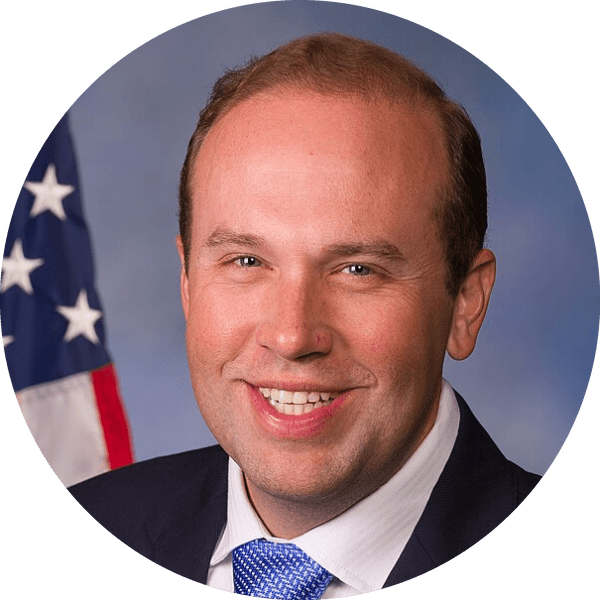

Referred to the House Committee on Ways and Means.
Feb 13, 2025
To amend the Internal Revenue Code of 1986 to modify the railroad track maintenance credit.


Referred to the House Committee on Ways and Means.
Jan 16, 2025
Tax Fairness for Workers Act


Referred to the House Committee on Ways and Means.
Apr 7, 2025
Health Care Affordability Act of 2025




Referred to the House Committee on Ways and Means.
Jan 9, 2025
Affordable Housing Credit Improvement Act of 2025
Referred to the House Committee on Ways and Means.
Apr 8, 2025
More Homes on the Market Act

Referred to the House Committee on Ways and Means.
Feb 13, 2025
Trending Right Now
Bills gaining momentum across Congress
America’s Olympic and Paralympic Games Commemorative Coins Act




Referred to the House Committee on Financial Services.
Jul 14, 2025
Fit to Serve Act



Referred to the House Committee on Armed Services.
May 21, 2025
ASAP Act

Ordered to be Reported in the Nature of a Substitute by the Yeas and Nays: 40 - 0.
Sep 16, 2026
Tracking Taxation in Congress? Monitor bills, track cosponsor momentum, and launch advocacy campaigns — all from one advocacy platform.