S. 2314: SHARKED Act of 2025
Sponsor

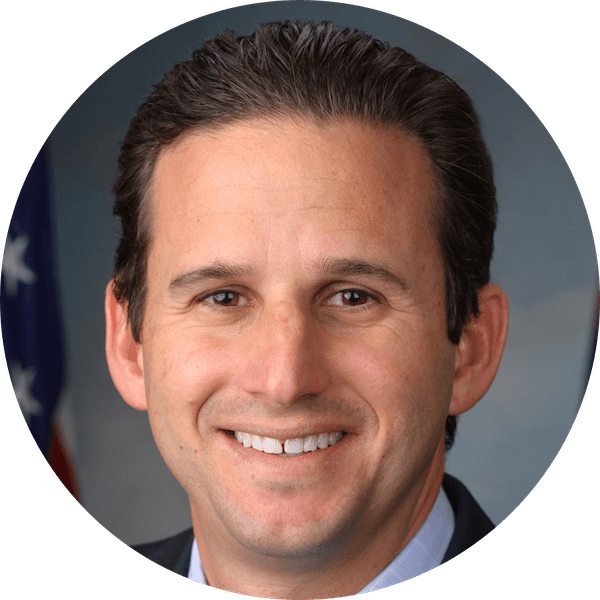
Rick Scott
Republican · FL
A shark stole your catch. Congress wants to know why.
Why it matters
Anglers up and down the coasts are reeling in half a fish — sharks grabbing the catch off the line before it reaches the boat. S. 2314 would order the Commerce Department to build a federal task force on the problem, study seven possible causes, and report back to Congress every two years. It is bipartisan, has cleared the Commerce Committee, and is sitting on the Senate calendar.
S. 2314, the SHARKED Act, would require the Secretary of Commerce to set up a Shark Depredation Task Force. "Depredation" is the term for what frustrates anglers: a shark stripping a hooked fish off the line before you can land it.
The task force pulls everyone with a stake into one room — a representative from each regional fishery council, each marine fisheries commission, coastal-state fish and wildlife agencies, the National Marine Fisheries Service, plus experts in migratory species, shark behavior, and shark ecology.
Its job is coordination, not enforcement. The group would improve communication between fishery managers and shark researchers, point to research priorities and funding, recommend management strategies, and help produce educational materials so anglers can change how they fish to avoid the interactions.
Congress also spells out a research agenda in unusual detail — seven areas, from identifying which shark species are involved and whether sharks are growing habituated to humans, to whether non-lethal deterrents work and how climate change is shifting shark populations and their prey.
The bill is deliberately narrow. It states that nothing in it changes the Commerce Department's existing authority under endangered species or fisheries law. The first report would be due within two years of enactment, with another every two years, and the task force would shut down within seven years unless Congress renews it.
Bill Progress
Latest Action · Mar 4, 2026
Placed on Senate floor schedule under General Orders. Calendar No. 349.
S. 2314 Bill Summary
What S. 2314 actually does.
A federal shark task force gets built
The Secretary of Commerce would have to establish a Shark Depredation Task Force focused specifically on sharks interfering with fishing and stripping catch off the line.
Your lost catch becomes a research priority
The bill adds shark depredation to federal fisheries research law, directing new projects on what is driving the increase and how to best address it.
Seven questions the task force has to study
Congress names seven research areas: which shark species are involved, shark stock assessments, whether sharks are habituating to humans, how angler behavior shapes interactions, whether non-lethal deterrents work, sharks' role in the food web, and climate-driven shifts in shark populations and prey.
Reports to Congress every two years
The task force would deliver its first report within two years of the bill becoming law and another every two years after that, rather than a single one-off study.
Education materials for anglers
The task force would coordinate materials to help the fishing community minimize shark interactions, including by changing how people fish and what they expect on the water.
Territories get a seat at the table
The bill's coastal-state definition spans every major U.S. ocean region and includes Puerto Rico, the U.S. Virgin Islands, Guam, the Northern Mariana Islands, and American Samoa.
Existing shark protections stay put
The bill states that nothing in it changes the Commerce Department's authority or responsibility under the Endangered Species Act or the Magnuson-Stevens fisheries law. It adds research and coordination, not new rules or penalties.
Who benefits from S. 2314?
Recreational anglers and charter captains
If you are losing hooked fish to sharks, this bill is aimed straight at your problem. It pushes the federal government to study what is driving the interactions and whether non-lethal deterrents or changed practices can cut them down.
Commercial fishing operations
Crews that lose catch, time, and gear to shark interactions could get a clearer national playbook on prevention, management, and education instead of figuring it out boat by boat.
Shark scientists and marine researchers
The bill creates dedicated seats for shark behavior, ecology, and migratory-species experts, and expands the federal research projects that can focus on shark depredation.
Coastal states and U.S. territories
Fish and wildlife agencies across every major U.S. ocean region — including Puerto Rico, Guam, and American Samoa — would have a route into the task force and its recommendations.
Who is affected by S. 2314?
Secretary of Commerce
The Secretary would have to stand up the task force, appoint every member, and run a process that reports to Congress every two years for up to seven years.
National Marine Fisheries Service
NMFS gets a required seat on the task force and would likely be central to carrying out the expanded shark depredation research.
Regional fishery councils and marine fisheries commissions
Each council and commission would have a representative, pulling those bodies into a recurring federal coordination process on research priorities and management recommendations.
Anglers hoping for an immediate fix
This bill does not create new fishing rights, remove shark protections, or set penalties. It is a research-and-coordination measure, so any on-the-water rule changes would come later, if at all.
S2314 Legislative Journey
Committee Action
Mar 4, 2026
Committee on Commerce, Science, and Transportation. Reported by Senator Cruz without amendment. With written report No. 119-114.
Passed Committee
Jul 30, 2025
Committee on Commerce, Science, and Transportation. Ordered to be reported without amendment favorably.
Committee Action
Jul 16, 2025
Read twice and referred to the Committee on Commerce, Science, and Transportation.
About the Sponsor
Rick Scott
Republican, FL · 7 years in Congress
Committees: Senate Special Committee on Aging, Homeland Security and Governmental Affairs, Armed Services
View full profile →
Cosponsors (2)
This bill has 2 cosponsors: 1 Democrat, 1 Republican, reflecting bipartisan support. Cosponsors represent 2 states: Florida, Hawaii.
Committee Sponsors
Commerce, Science, and Transportation Committee
1 of 28 committee members cosponsored

15 Republicans across this committee haven't cosponsored yet. Mobilize their constituents
What laws does S. 2314 change?
1 changes
Sections Amended
Section 318(c) of Magnuson-Stevens Fishery Conservation and Management Act (16 U.S.C. 1867(c))
adding at the end the following: ``(6) Projects to better understand shark depredation, including identifying what causes increases in shark depredation and determining how to best address shark depredation
S. 2314 Quick Facts

- Committee
- Commerce, Science, and Transportation
- Chamber
- Senate
- Policy
- Public Lands and Natural Resources
- Introduced
- Jul 16, 2025
Placed on Senate floor schedule under General Orders. Calendar No. 349.
Mar 4, 2026
Official Sources
The official bill page provides the text, status, sponsors, and actions for the SHARKED Act of 2025.
NOAA's own explainer on shark depredation — the exact problem S. 2314 directs the task force to study — including research on which species strip the catch and why interactions are rising.
The bill requires task force expertise in highly migratory species, an area NOAA Fisheries manages through this program page.
S. 2314 amends fisheries research provisions under the Magnuson-Stevens Act, so this NOAA overview helps explain the governing law.
The bill specifically amends 16 U.S.C. 1867(c), the fisheries research section referenced in the text.
The bill says it does not change Commerce's authority under the Endangered Species Act, codified beginning at 16 U.S.C. 1531.
S. 2314 Common Questions
What is shark depredation?
It is when a shark grabs your hooked fish off the line before you can land it — partial or complete removal of the catch directly from the line. S. 2314 is built to study why it is happening and how anglers can reduce it.
What does S. 2314 actually do?
It orders the Commerce Department to create a Shark Depredation Task Force, study why sharks are taking more catch, recommend management strategies, and report to Congress every 2 years for up to 7 years.
Does S. 2314 weaken shark or endangered species protections?
No. The bill says Commerce keeps the same authority it already has under existing endangered species and fisheries laws. It adds research and coordination, not a rewrite of those rules — and it sets no culling mandate.
Will it lead to non-lethal ways to keep sharks off my line?
Maybe, eventually. One of the seven named research priorities is techniques to reduce harmful shark interactions, including developing and testing non-lethal deterrents. The task force studies and recommends; it does not deploy anything itself.
When would anglers actually see results?
Slowly. The first report to Congress is due within 2 years of enactment, with another every 2 years after that. Real on-the-water changes, like new deterrents or guidance, would follow the research rather than arrive right away.
Who would sit on the Shark Depredation Task Force?
Representatives from each regional fishery council, the marine fisheries commissions, coastal-state agencies, and the National Marine Fisheries Service, plus experts in migratory species, shark behavior, and shark ecology.
Does S. 2314 cover Puerto Rico, Guam, and other territories?
Yes. The bill's coastal-state definition spans every major U.S. ocean region and includes Puerto Rico, the U.S. Virgin Islands, Guam, the Northern Mariana Islands, and American Samoa.
Where does S. 2314 stand right now?
It is bipartisan and has been reported out of the Senate Commerce Committee onto the Senate legislative calendar. The next step would be floor time for a vote in the full Senate.
Based on S. 2314 bill text
S. 2314 Bill Text
“To direct the Secretary of Commerce to establish a task force regarding shark depredation, and for other purposes.”
Source: U.S. Government Publishing Office
Get notified when S. 2314 moves
Committee votes, floor action, cosponsor changes — straight to your inbox.
Bill alerts + Legisletter's monthly briefing. Unsubscribe anytime.
Public Lands and Natural Resources Bills
9 related bills we're tracking
Great American Outdoors Act 250





Ordered to be Reported in the Nature of a Substitute (Amended) by Voice Vote.
Jun 24, 2026
Arctic Refuge Protection Act




Referred to the House Committee on Natural Resources.
Apr 29, 2025
America the Beautiful Act





Placed on Senate Legislative Calendar under General Orders. Calendar No. 439.
Jun 17, 2026
Save Our Forests Act of 2025


Referred to the Committee on Agriculture, and in addition to the Committee on Natural Resources, for a period to be subsequently determined by the Speaker, in each case for consideration of such provisions as fall within the jurisdiction of the committee concerned.
May 21, 2025
Secure Rural Schools Reauthorization Act of 2025





Became Public Law No: 119-58.
Dec 18, 2025
Modernizing Access to Our Public Oceans Act





Placed on the Union Calendar, Calendar No. 438.
Feb 23, 2026
MAWS Act of 2026




Received in the Senate and Read twice and referred to the Committee on Commerce, Science, and Transportation.
Mar 18, 2026
Captain Accursio “Gus” Sanfilippo Young Fishermen’s Development Act





Received in the Senate.
Mar 4, 2026
Wintergreen Emergency Egress Act




Placed on Senate Legislative Calendar under General Orders. Calendar No. 664.
Sep 17, 2026
Trending Right Now
Bills gaining momentum across Congress
North Platte Canteen Congressional Gold Medal Act




Referred to the House Committee on Financial Services.
Feb 21, 2025
Fit to Serve Act





Referred to the House Committee on Armed Services.
May 21, 2025
ASAP Act




Ordered to be Reported in the Nature of a Substitute by the Yeas and Nays: 40 - 0.
Sep 16, 2026
Tracking Public Lands and Natural Resources in Congress? Monitor bills, track cosponsor momentum, and launch advocacy campaigns — all from one advocacy platform.