H.R. 7574: ELO Realignment and Strategic Engagement Reform Act of 2026
Sponsor

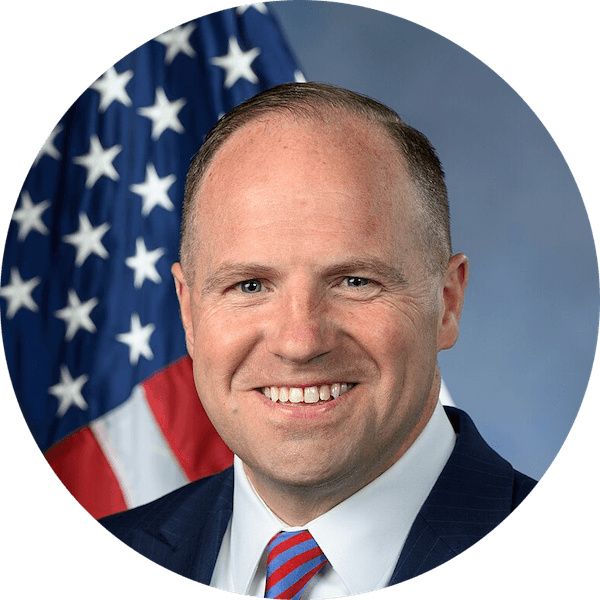
Gabe Evans
Republican · CO-8
Congress wants DHS outreach on a tighter leash
Why it matters
DHS would get 120 days to justify and restructure this office — and until it does, the department could not grow the office's staff, budget, or programs. The change is meant to cut overlapping outreach and funnel key partner work into one clearer chain of command.
H.R. 7574 would block DHS from expanding its Engagement, Liaison, and Outreach office until the department submits a reorganization plan within 120 days and then certifies implementation within 60 days after it begins.
The bill says DHS must identify redundant or non-essential jobs, programs, and functions inside that office, then move the essential work and personnel into the Partner Engagement directorate within the Office of Intelligence and Analysis. It also requires a cost-benefit analysis, staffing and reassignment proposals, a transition timeline, internal oversight, and recommendations for a less duplicative engagement model.
For state, local, Tribal, and territorial partners, the bill adds one important continuity rule: DHS has to assure Congress that intelligence support, partner convenings, and HSIN-INTEL access continue during the transition. In plain English, the bill uses a no-growth rule to force an internal DHS cleanup before the office gets any bigger.
The plan also has to improve how DHS works with what the bill calls priority law enforcement agencies by setting clearer communication protocols, centralizing points of contact, improving information-sharing, and reducing duplicate outreach across the department.
Bill Progress
Latest Action · Jul 14, 2026
Passed the House, received in Senate
H.R. 7574 Bill Summary
What H.R. 7574 actually does.
DHS has 120 days to show its reorganization plan
The Secretary of Homeland Security must send Congress a detailed plan within 120 days explaining how DHS will restructure the office and address overlap.
Core outreach work gets moved into one directorate
Essential functions and personnel from the Engagement, Liaison, and Outreach office would be realigned into the Partner Engagement directorate within DHS intelligence operations.
Duplicate jobs and programs must be identified
DHS must review the office for redundant or non-essential positions, programs, and functions, and explain the reorganization with cost-benefit estimates and staffing proposals.
State and local partners keep intelligence access during the shift
The plan must assure continuity of intelligence support, partner convenings, and relevant HSIN-INTEL access for state, local, Tribal, and territorial partners.
No office growth until DHS follows through
Until DHS submits the plan and certifies that implementation has started, it cannot expand the office's staffing, budget, or program scope.
DHS cannot build a lookalike office on the side
Before the required plan and certification are completed, DHS also could not create another office with the same mission unless Congress specifically authorizes it.
Who benefits from H.R. 7574?
State, local, Tribal, and territorial partners who rely on DHS intelligence support
If you depend on DHS briefings or HSIN-INTEL access, the bill says that support should continue even while the office is being reorganized.
Federal, state, and local law enforcement agencies tagged as priority partners
These agencies could get clearer communication channels, more centralized contacts, and less duplicate outreach from different DHS components.
Congressional oversight committees
Lawmakers get two concrete deadlines — 120 days for the plan and 60 days after implementation starts for certification — making DHS easier to monitor.
DHS leaders trying to consolidate overlapping functions
The bill gives department leadership a formal process to review duplicate roles and move essential work into a single engagement structure.
Who is affected by H.R. 7574?
Staff inside DHS's Engagement, Liaison, and Outreach office
Some employees could be reassigned, and some roles or programs could be labeled redundant or non-essential during the review.
The Secretary of Homeland Security
The Secretary would be responsible for meeting both deadlines and would be barred from growing the office until Congress gets the required plan and certification.
Other DHS components that do similar outreach work
Units with overlapping partner-engagement roles may face pressure to coordinate more tightly or avoid duplicating the office's mission.
The Office of Intelligence and Analysis
This office would take on the realigned functions and personnel through its Partner Engagement directorate and would have to manage the transition.
HR7574 Legislative Journey
Committee Action
Jul 14, 2026
Received in the Senate and Read twice and referred to the Committee on Homeland Security and Governmental Affairs.
House: Vote Held
Jul 13, 2026
On motion to suspend the rules and pass the bill Agreed to by voice vote. (text: CR H4399)
House: Committee Action
Jul 9, 2026
Reported by the Committee on Homeland Security. H. Rept. 119-736.
House: Vote: 27-3
Jun 24, 2026
Ordered to be Reported by the Yeas and Nays: 27 - 3.
House: Vote Held
May 14, 2026
Forwarded by Subcommittee to Full Committee by Voice Vote.
House: Committee Action
Feb 14, 2026
Referred to the Subcommittee on Counterterrorism and Intelligence.
House: Committee Action
Feb 13, 2026
Referred to the House Committee on Homeland Security.
About the Sponsor
Gabe Evans
Republican, Colorado's 8th congressional district · 1 years in Congress
Committees: Homeland Security, Energy and Commerce
View full profile →
Cosponsors (2)
All 2 cosponsors are Democrats. Cosponsors represent 2 states: New Jersey, New York.
Committee Sponsors
Homeland Security and Governmental Affairs Committee
0 of 15 committee members cosponsored
No committee members have cosponsored this bill
Homeland Security Committee
2 of 33 committee members cosponsored


26 Republicans across these committees haven't cosponsored yet. Mobilize their constituents
H.R. 7574 Quick Facts


- Committee
- Homeland Security and Governmental Affairs
- Chamber
- House
- Policy
- Armed Forces and National Security
- Introduced
- Feb 13, 2026
Passed the House, received in Senate
Jul 14, 2026
Official Sources
The official bill page is the primary source for the text, status, sponsors, and legislative actions for H.R. 7574.
The bill would realign ELO functions into DHS Intelligence and Analysis, so this office page helps explain the destination organization.
The bill specifically requires continuity of HSIN-INTEL access for SLTT partners during the reorganization.
The bill incorporates a definition from the Homeland Security Act of 2002, making the underlying public law a relevant official source.
H.R. 7574 Common Questions
What does H.R. 7574 actually do?
It forces DHS to reorganize its Engagement, Liaison, and Outreach office, move core work into another directorate, and pause any expansion until the department follows through.
How fast would DHS have to act?
DHS would have 120 days after enactment to send Congress a reorganization plan, then 60 days after starting implementation to certify that the process is underway.
Can DHS add staff or programs to this office while the plan is pending?
No. H.R. 7574 says DHS cannot expand the office's staffing, budget, or program scope until it submits the plan and certifies implementation has started.
Would the office be eliminated?
Not exactly. The bill says DHS must identify redundant parts of the office, but it also says essential functions and personnel should be moved into the Partner Engagement directorate.
What has to be in the DHS reorganization plan?
It must cover duplicate jobs and programs, cost-benefit estimates, staffing changes, reassignment plans, a transition timeline, oversight steps, and future engagement recommendations.
Does the bill protect support for state and local partners?
Yes. DHS would have to assure Congress that intelligence support, partner convenings, and relevant HSIN-INTEL access continue during the reorganization.
Who counts as a priority law enforcement agency under H.R. 7574?
The bill says these are federal, state, and local law enforcement agencies the Secretary identifies as key partners for national security, counterterrorism, emergency response, or similar missions.
Could DHS just create a new office with the same mission instead?
Not without Congress. Before the required plan and certification are completed, H.R. 7574 bars DHS from creating another office that duplicates the same mission.
Based on H.R. 7574 bill text
H.R. 7574 Bill Text
“To provide for the reorganization and realignment of the Engagement, Liaison, and Outreach Office of the Department of Homeland Security, and for other purposes.”
Source: U.S. Government Publishing Office
Get notified when H.R. 7574 moves
Committee votes, floor action, cosponsor changes — straight to your inbox.
Bill alerts + Legisletter's monthly briefing. Unsubscribe anytime.
Armed Forces and National Security Bills
9 related bills we're tracking
Major Richard Star Act




Referred to the Subcommittee on Disability Assistance and Memorial Affairs.
Apr 4, 2025
North Platte Canteen Congressional Gold Medal Act



Referred to the House Committee on Financial Services.
Feb 21, 2025
Pay Our Troops Act of 2026




Referred to the House Committee on Appropriations.
Sep 16, 2025
Fit to Serve Act



Referred to the House Committee on Armed Services.
May 21, 2025
Love Lives On Act of 2025




Forwarded by Subcommittee to Full Committee by Voice Vote.
Mar 26, 2026
Air America Act of 2025


Referred to the House Committee on Intelligence (Permanent Select).
Mar 18, 2025
Veteran Burial Timeliness and Death Certificate Accountability Act



Subcommittee Hearings Held
Jun 30, 2026
Reproductive Freedom for Veterans Act





Committee Hearings Held
Mar 18, 2026
GUARD VA Benefits Act



Committee Hearings Held
Mar 18, 2026
Trending Right Now
Bills gaining momentum across Congress
America’s Olympic and Paralympic Games Commemorative Coins Act





Referred to the House Committee on Financial Services.
Jul 14, 2025
ASAP Act


Ordered to be Reported in the Nature of a Substitute by the Yeas and Nays: 40 - 0.
Sep 16, 2026
Therapeutic Fraud Prevention Act of 2025



Referred to the House Committee on Energy and Commerce.
May 7, 2025
Tracking Armed Forces and National Security in Congress? Monitor bills, track cosponsor momentum, and launch advocacy campaigns — all from one advocacy platform.