H.R. 5896: GRID Act
Sponsor
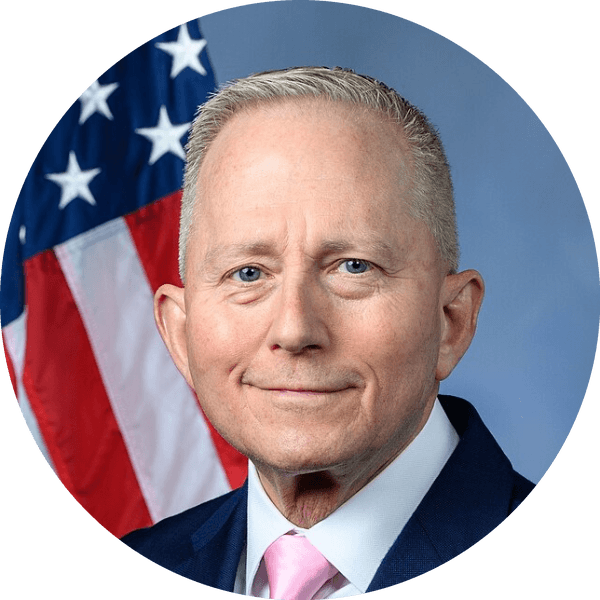
Jefferson Van Drew
Republican · NJ-2
Repeal bill ends the federal EV-charging standard for utilities
Why it matters
H.R. 5896 would delete the one federal standard that nudges your state's utility regulators to plan for electric vehicle charging. Under current law, those regulators have to at least consider EV charging programs when they set utility policy. This bill — the GRID Act — repeals that standard along with the deadlines and compliance rules bolted onto it, leaving the call entirely to each state.
H.R. 5896, the Guarding Ratepayers from Imposed EV Charging Directives Act — the GRID Act — is a repeal bill. It doesn't write a new EV charging policy. It removes one that already exists.
The target is a federal standard added to the Public Utility Regulatory Policies Act, a 1978 law that lays out energy policies state utility regulators are supposed to weigh. That law doesn't force states to do much directly. It requires state commissions to at least consider a list of federal standards, and one of those standards covers electric vehicle charging programs. The bill strikes that standard from the list.
The rest of the bill is cleanup. When Congress added the EV charging standard, it also added deadlines, compliance timing, and rules for how the change applied to actions states had already taken. The GRID Act repeals or rewrites each of those pieces so there's no leftover language pointing back to a standard that no longer exists.
What the bill doesn't do matters just as much. It doesn't ban EV chargers, cut any funding, or stop a state from running its own charging programs. There are no dollar amounts, grants, fees, or penalties anywhere in the text. The whole effect is to remove the federal requirement that regulators consider EV charging — nothing more.
Supporters, as the title signals, frame this as protecting ratepayers from charging programs they say push up bills. Critics are likely to argue it strips out the one federal cue telling utilities to prepare for a road filling up with electric cars. The bill itself takes no side beyond the deletion.
Bill Progress
Latest Action · Oct 31, 2025
Referred to the House Committee on Energy and Commerce.
H.R. 5896 Bill Summary
What H.R. 5896 actually does.
The federal EV-charging standard goes away
The bill repeals the federal standard relating to electric vehicle charging programs from the Public Utility Regulatory Policies Act. That standard is the one item on the law's list that asks state regulators to consider EV charging programs; striking it removes the federal prompt entirely.
The deadline tied to the standard disappears
The bill repeals the time-limitation provision that set the clock for when states had to act on the EV charging standard. With the underlying standard gone, the deadline attached to it is removed too.
Special compliance-timing language is struck
The bill deletes a sentence that reset the meaning of the law's "date of enactment" specifically for the EV charging standard. It was a technical rule fixing the compliance clock to when the standard was added; the bill takes it out.
Rules for states' earlier actions are repealed
The bill repeals a provision covering prior state actions connected to the EV charging standard, clearing out language about how the requirement applied to steps states had already taken.
Leftover references in pending cases are cleaned up
The bill strikes parallel language that treated the date the EV charging standard was added as the controlling date for prior and pending utility proceedings, removing the last references to the repealed standard.
Who benefits from H.R. 5896?
Utilities that opposed the federal EV-charging standard
Regulated utilities would no longer face the specific federal standard asking them to plan EV charging programs, or the related compliance timing that came with it.
Electric ratepayers, by the bill's framing
The title casts this as protecting ratepayers from "imposed EV charging directives." Supporters argue that removing the standard eases pressure on utilities to build charging programs that could show up on customer bills.
State utility regulators wanting more flexibility
State public utility commissions would no longer have to weigh the federal EV charging standard or navigate the related rules on compliance timing, prior state actions, and pending proceedings.
Lawmakers favoring narrower federal energy policy
Because H.R. 5896 is a clean repeal, it advances the view that the federal government shouldn't steer states toward EV charging programs through the Public Utility Regulatory Policies Act.
Who is affected by H.R. 5896?
State public utility commissions
These regulators are directly affected because the bill removes the EV charging standard they were required to consider, along with the related compliance and prior-action provisions.
Electric utilities planning EV charging programs
Utilities that were planning around the federal standard lose that federal policy signal once it's repealed, though nothing stops them from continuing under state direction.
Electric vehicle drivers and prospective buyers
The bill doesn't ban charging stations, but by removing the federal prompt, it could affect how quickly or broadly utility-backed charging programs get considered at the state level.
Companies in the EV charging market
Charging network operators and equipment makers could feel it if fewer utility-led charging programs move forward once the federal standard and its procedural language are gone.
HR5896 Legislative Journey
House: Committee Action
Oct 31, 2025
Referred to the House Committee on Energy and Commerce.
About the Sponsor
Jefferson Van Drew
Republican, New Jersey's 2nd congressional district · 7 years in Congress
Committees: the Judiciary, Transportation and Infrastructure
View full profile →
Committee Sponsors
Energy and Commerce Committee
0 of 54 committee members cosponsored
No committee members have cosponsored this bill
30 Republicans across this committee haven't cosponsored yet. Mobilize their constituents
What laws does H.R. 5896 change?
5 changes
Sections Amended
Section 111(d) of Public Utility Regulatory Policies Act of 1978 (16 U.S.C. 2621(d)) is repealed. (b) Conforming Amendments.-- (1) Time limitations.--Paragraph (8) of section 112(b) of the Public Utility Regulatory Policies Act of 1978 (16 U.S.C. 2622(b)) is repealed. (2) Failure to comply.--Section 112(c) of the Public Utility Regulatory Policies Act of 1978 (16 U.S.C. 2622(c))
striking ``In the case of the standard established by paragraph (21) of section 111(d), the reference contained in this subsection to the date of enactment of this Act shall be deemed to be a reference to the date of enactment of that paragraph (21)
Section 112 of Public Utility Regulatory Policies Act of 1978 (16 U.S.C. 2622) is repealed. (4) Prior and pending proceedings.--Section 124 of the Public Utility Regulatory Policies Act of 1978 (16 U.S.C. 2634)
striking ``In the case of the standard established by paragraph (21) of section 111(d), the reference contained in this section to the date of enactment of this Act shall be deemed to be a reference to the date of enactment of that paragraph (21)
Sections Repealed
111(d) of Public Utility Regulatory Policies Act of 1978 (16 U.S.C. 2621(d))
112(b) of Public Utility Regulatory Policies Act of 1978 (16 U.S.C. 2622(b))
(h) of section 112 of the Public Utility Regulatory Policies Act of 1978 (16 U.S.C. 2622)
H.R. 5896 Quick Facts
- Committee
- Energy and Commerce
- Chamber
- House
- Policy
- Energy
- Introduced
- Oct 31, 2025
Referred to the House Committee on Energy and Commerce.
Oct 31, 2025
Official Sources
Official Congress.gov page for the GRID Act with bill text, status, and actions.
Official U.S. Code page for 16 U.S.C. 2621, which includes PURPA section 111(d) and the EV charging standard the bill repeals.
Official U.S. Code page for 16 U.S.C. 2622, covering the time limitations, failure-to-comply, and prior-state-actions provisions the bill changes.
Official U.S. Code page for 16 U.S.C. 2634, the PURPA provision on prior and pending proceedings amended by the bill.
DOE's Office of Electricity is a relevant federal energy authority for context on utility regulation and grid policy tied to PURPA.
DOE's official alternative fueling station resource provides federal context on EV charging infrastructure discussed in the bill.
H.R. 5896 Common Questions
What does the GRID Act actually do?
H.R. 5896 repeals one federal standard from a 1978 utility law — the standard that asks state regulators to consider EV charging programs. It doesn't create anything new; it deletes that standard along with the deadlines and compliance rules attached to it.
Does the GRID Act ban or shut down EV chargers?
No. The bill doesn't touch a single charging station. It removes a federal requirement that state utility regulators consider EV charging programs, but it doesn't ban chargers, close them, or stop a state from running its own programs.
Will the GRID Act change EV charger availability where I live?
Not directly. The bill removes the federal prompt for state regulators to plan utility EV charging programs, so it shifts that decision entirely to your state. States that want to keep building out charging can still do it.
Why do supporters want to repeal the EV charging standard?
The bill's title frames it as guarding ratepayers from "imposed EV charging directives." Supporters argue the standard pressures utilities into charging programs that can raise customer bills. The bill itself only deletes the standard and makes no findings.
Does the GRID Act cut any EV charging funding?
No. There's no money in the bill at all — no grants, fees, penalties, or spending. It only repeals existing legal language, so federal EV charging funding that comes from other programs isn't affected by H.R. 5896.
What is the PURPA EV charging standard the bill repeals?
It's one item on a federal list of policies that state utility regulators are required to consider — here, programs to support electric vehicle charging. The law doesn't force states to adopt it, but it does require them to weigh it. The bill removes it from the list.
Has the GRID Act passed?
No. H.R. 5896 was introduced on October 31, 2025 by Rep. Jefferson Van Drew and referred to the House Energy and Commerce Committee. It has no cosponsors yet and hasn't had a committee vote.
Based on H.R. 5896 bill text
H.R. 5896 Bill Text
“To amend the Public Utility Regulatory Policies Act of 1978 to repeal the standard relating to electric vehicle charging programs, and for other purposes.”
Source: U.S. Government Publishing Office
Get notified when H.R. 5896 moves
Committee votes, floor action, cosponsor changes — straight to your inbox.
Bill alerts + Legisletter's monthly briefing. Unsubscribe anytime.
Energy Bills
9 related bills we're tracking
Energy Bills Relief Act




Referred to the Committee on Energy and Commerce, and in addition to the Committees on Agriculture, Ways and Means, Natural Resources, Financial Services, Transportation and Infrastructure, Education and Workforce, Oversight and Government Reform, and Science, Space, and Technology, for a period to be subsequently determined by the Speaker, in each case for consideration of such provisions as fall within the jurisdiction of the committee concerned.
Mar 18, 2026
Energy Choice Act
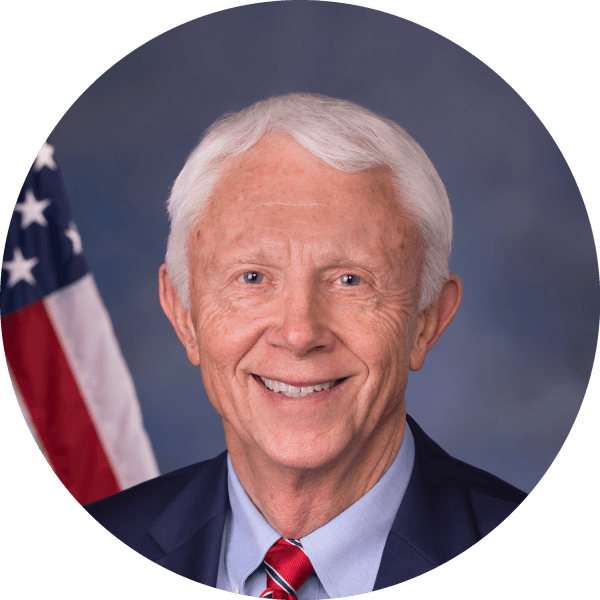
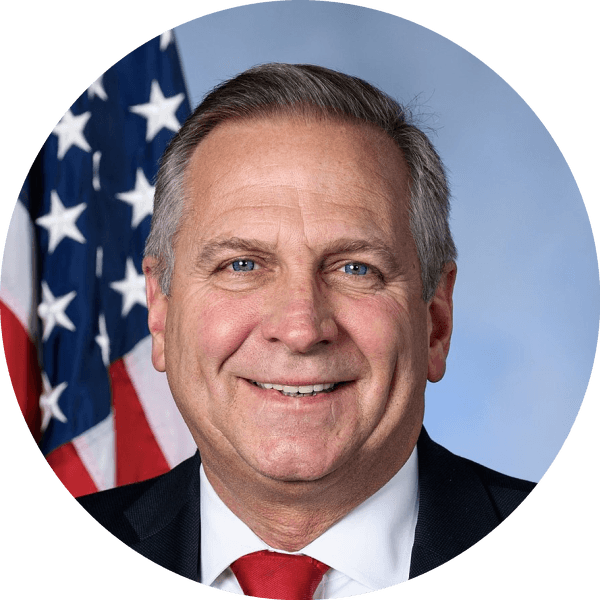

Placed on the Union Calendar, Calendar No. 412.
Feb 4, 2026
Heating and Cooling Relief Act

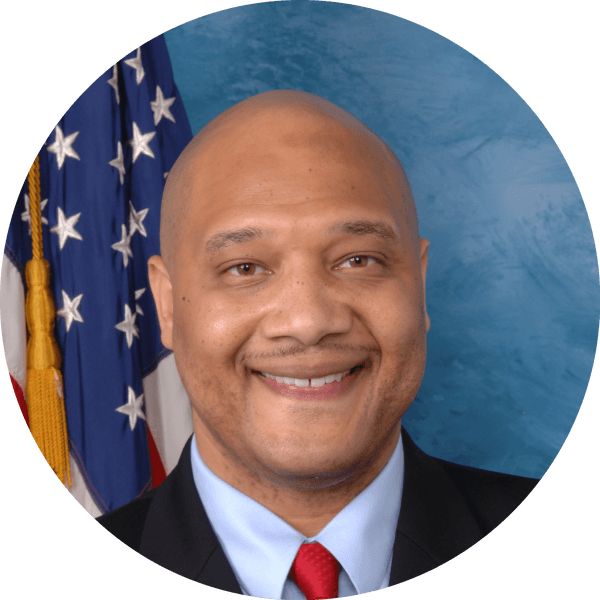
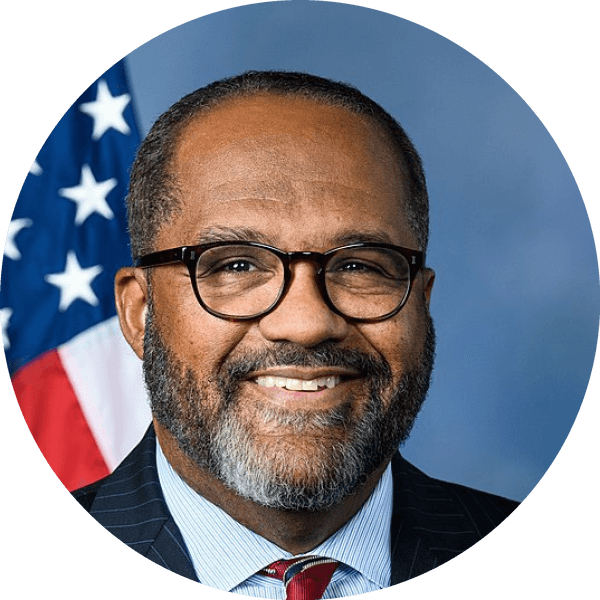
Referred to the Committee on Energy and Commerce, and in addition to the Committee on Education and Workforce, for a period to be subsequently determined by the Speaker, in each case for consideration of such provisions as fall within the jurisdiction of the committee concerned.
Mar 31, 2025
Protecting Families from AI Data Center Energy Costs Act

Ordered to be Reported by the Yeas and Nays: 44 - 0.
Jul 21, 2026
Weatherization Enhancement and Readiness Act of 2025


Placed on the Union Calendar, Calendar No. 410.
Feb 4, 2026
Electricity Transmission Scorecard Act


Referred to the House Committee on Energy and Commerce.
Nov 20, 2025
SHIELD Act


Referred to the House Committee on Energy and Commerce.
Jan 14, 2026
Critical Mineral Consistency Act of 2025


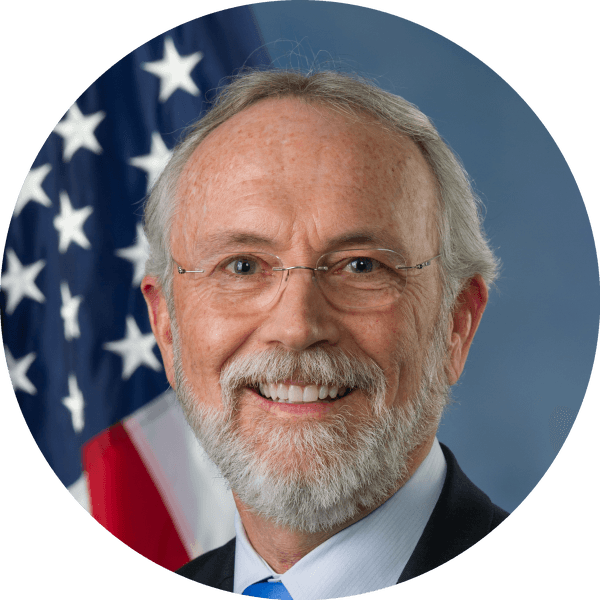

Received in the Senate. Read twice. Placed on Senate Legislative Calendar under General Orders. Calendar No. 348.
Mar 4, 2026
Critical Mineral Consistency Act of 2025
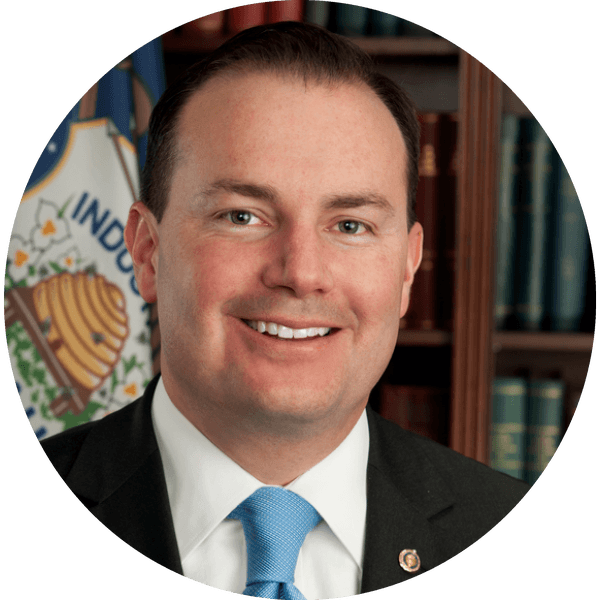
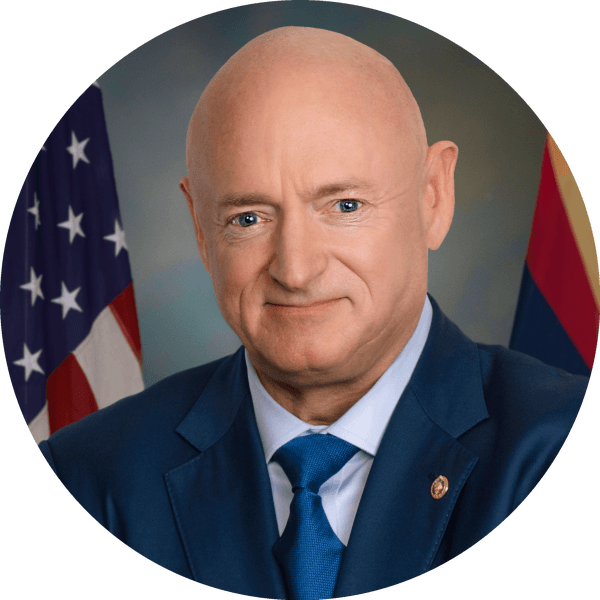

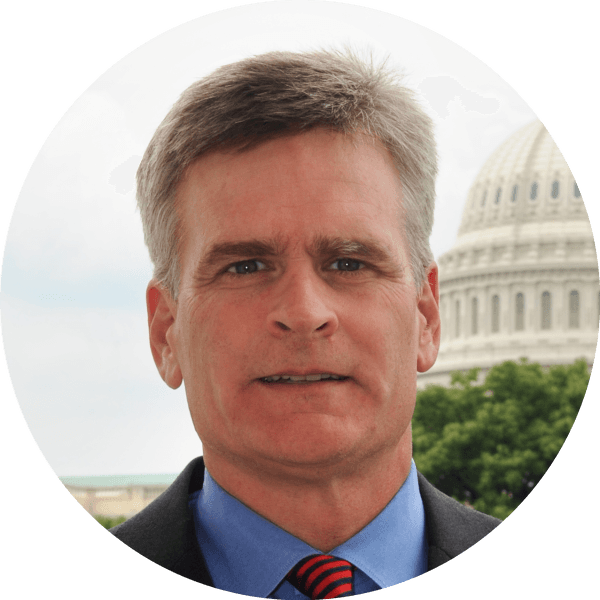
Placed on Senate Legislative Calendar under General Orders. Calendar No. 335.
Feb 11, 2026
Trending Right Now
Bills gaining momentum across Congress
America’s Olympic and Paralympic Games Commemorative Coins Act



Referred to the House Committee on Financial Services.
Jul 14, 2025
Fit to Serve Act


Referred to the House Committee on Armed Services.
May 21, 2025
ASAP Act



Ordered to be Reported in the Nature of a Substitute by the Yeas and Nays: 40 - 0.
Sep 16, 2026
Tracking Energy in Congress? Monitor bills, track cosponsor momentum, and launch advocacy campaigns — all from one advocacy platform.