H.R. 5272: Protect Elections from Deceptive AI Act
Sponsor

Julie Johnson
Democrat · TX-32
Deepfake a candidate, face a federal lawsuit
Why it matters
AI can now clone a candidate's voice and face well enough to fool voters in the closing days of a race, when there's no time left to debunk it. This bill gives federal candidates a new right to sue whoever knowingly spreads a deceptive AI clip of them, and to demand a fast court order pulling it down.
H.R. 5272, the Protect Elections from Deceptive AI Act, adds one new rule to federal campaign law. It bars anyone from knowingly spreading a materially deceptive AI-generated image, audio, or video of a federal candidate when the goal is to sway an election or raise money.
The test for what counts is whether a reasonable person, weighing both the clip and where it showed up, would walk away with a fundamentally different impression of what the candidate said or did, or would believe they said or did something that never happened.
Three things are carved out: real news coverage that flags the clip's authenticity, newspapers and online publications that clearly label it as not genuine, and satire or parody.
Everything else runs on private lawsuits. A targeted candidate can ask a court to block the clip, and that request jumps the line for a faster hearing. They can also sue for damages, and the winning side may recover attorney's fees. The catch for plaintiffs: they have to prove the violation by clear and convincing evidence, a tougher bar than most civil cases. The bill also says any violation counts as defamation per se.
Bill Progress
Latest Action · Sep 10, 2025
Referred to the House Committee on House Administration.
H.R. 5272 Bill Summary
What H.R. 5272 actually does.
Spreading a fake clip of a candidate becomes illegal
The bill bars any person, political committee, or other entity from knowingly distributing a materially deceptive AI-generated audio or visual clip of a federal candidate when the intent is to influence an election or solicit funds. It works by adding a new section to the Federal Election Campaign Act.
Only candidates can sue, not voters
The bill defines the protected party as a candidate for federal office. The protections don't extend to voters, sitting officeholders who aren't running, or private citizens, which shapes who can bring a case and when the ban applies.
Covers fake images, audio, and video
The ban reaches any image, audio, or video made or altered by artificial intelligence or machine learning that appears authentic, whether it merges or swaps content onto a real clip or generates a fully invented one from scratch.
The test is whether it would fool a reasonable person
A clip is covered if a reasonable person, considering both its qualities and where it appeared, would come away with a fundamentally different impression of the candidate's appearance, speech, or conduct than the real version, or would believe the candidate did something they never did.
News outlets and parody are carved out
Real news coverage is exempt when it clearly flags questions about a clip's authenticity in a way the average viewer or reader can catch. Newspapers, magazines, and online publications are exempt if they plainly state the clip doesn't accurately represent the candidate. Satire and parody are also exempt.
Candidates can demand fast takedowns and sue for damages
A targeted candidate can seek a court order blocking the clip, and that request gets priority for a faster hearing. They can also sue for general or special damages, and the court may award attorney's fees to the winning side. Plaintiffs must prove the violation by clear and convincing evidence.
Who benefits from H.R. 5272?
Candidates for federal office
They gain a new federal right to sue over deceptive AI clips of themselves, including the power to demand a fast court-ordered takedown, recover damages, and potentially collect attorney's fees if they win.
Voters trying to tell real from fake
The ban targets AI clips knowingly spread to influence an election, especially the kind that would convince a reasonable person a candidate said or did something that never happened in the days before a vote.
News outlets that disclose
Radio, TV, cable, satellite, streaming services, newspapers, magazines, and online publications get explicit protection when they show a deceptive clip in genuine news coverage and clearly flag that it isn't authentic.
Campaigns hit by fake fundraising appeals
Because the ban also covers clips spread with intent to solicit funds, campaigns get a tool against AI fakes used to trick donors or siphon off money in a candidate's name.
Who is affected by H.R. 5272?
Anyone who shares a deepfake to move an election
The ban reaches any person, so independent creators, operatives, and activists can be sued if they knowingly spread a deceptive AI clip of a federal candidate to influence a race or raise money.
Political committees and campaigns
Committees are named directly. If they knowingly distribute a materially deceptive AI clip of a federal candidate to sway an election or solicit funds, they can face lawsuits for both takedowns and damages.
Broadcasters and streaming platforms
Radio, TV, cable, satellite, and streaming services are only protected when the clip runs in genuine news coverage and includes a clear disclosure about its authenticity. Outside that, the exemption doesn't apply.
Newspapers and digital publishers
Newspapers, magazines, periodicals, and online publications have to clearly state that a deceptive AI clip doesn't accurately represent the candidate in order to qualify for the exemption.
HR5272 Legislative Journey
House: Committee Action
Sep 10, 2025
Referred to the House Committee on House Administration.
About the Sponsor
Julie Johnson
Democrat, Texas' 32nd congressional district · 1 years in Congress
Committees: House Administration, Joint Committee of Congress on the Library, Homeland Security
View full profile →
Cosponsors (10)
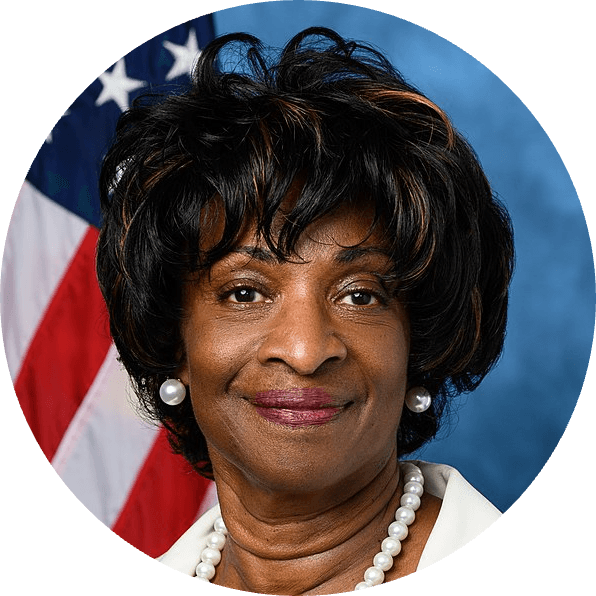
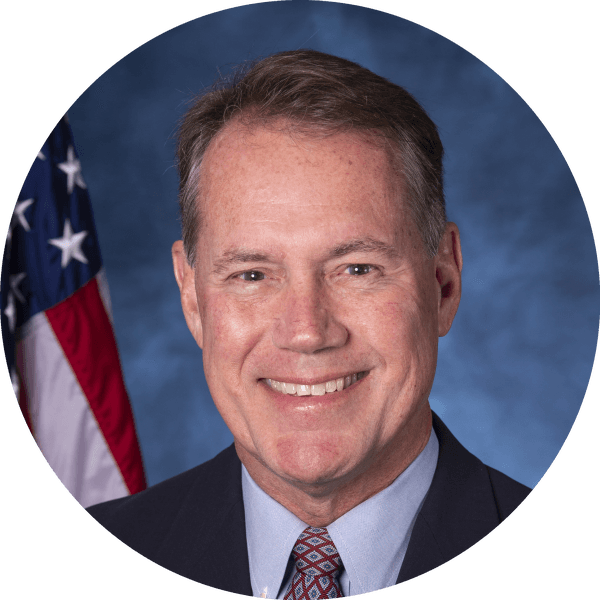
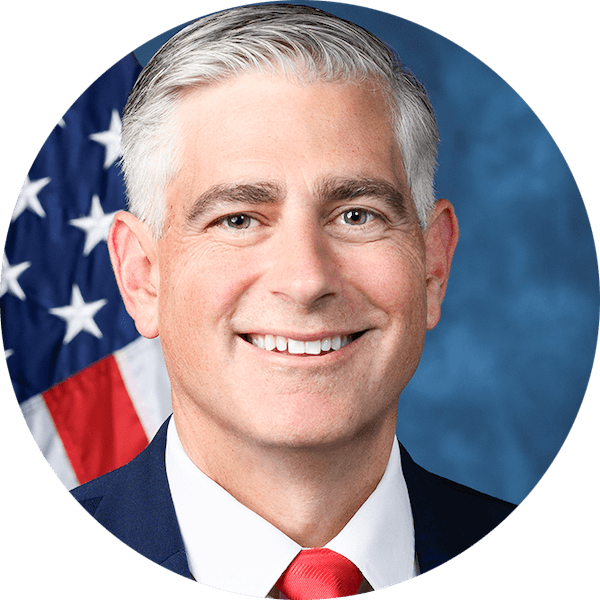
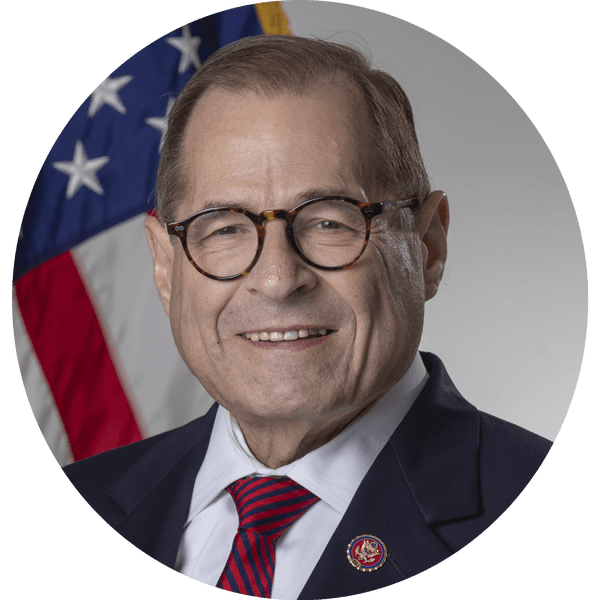
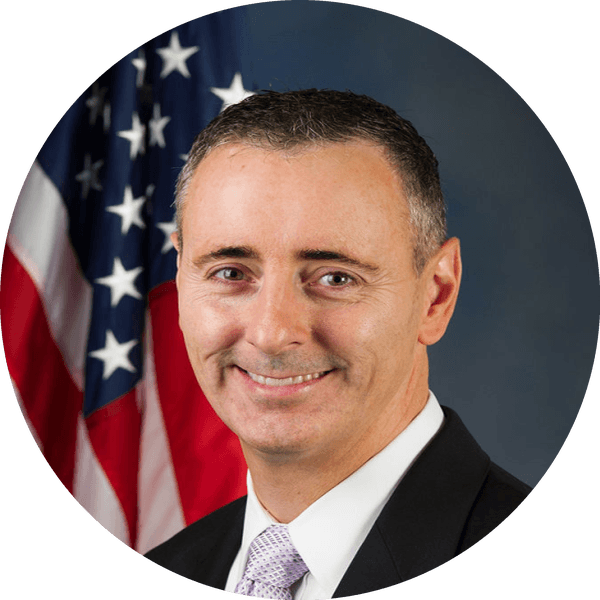
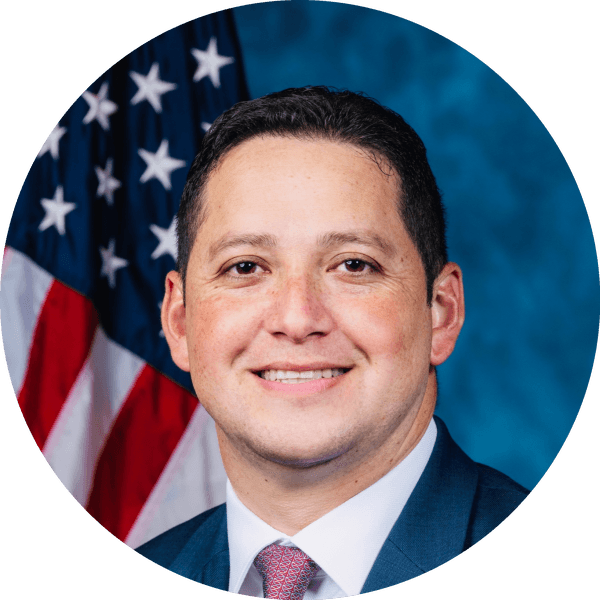
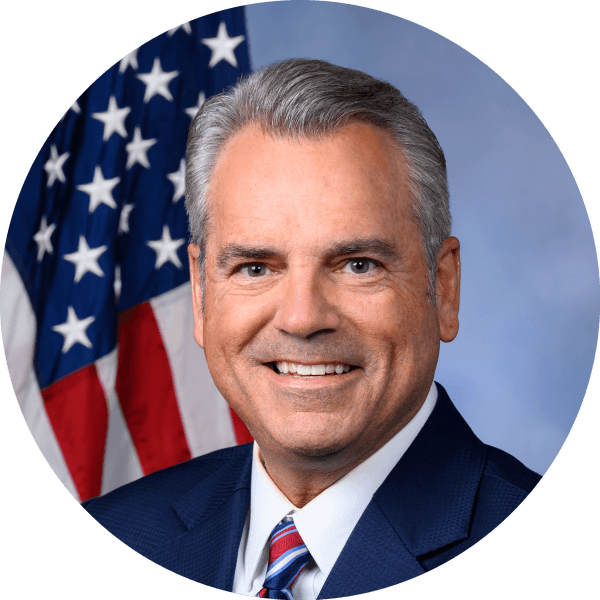
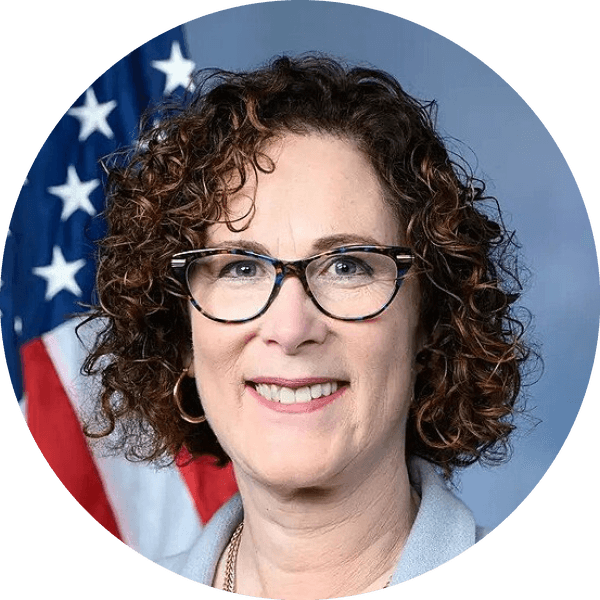
This bill has 10 cosponsors: 6 Democrats, 4 Republicans, reflecting bipartisan support. Cosponsors represent 9 states: Hawaii, Missouri, North Carolina, and 6 more.

Committee Sponsors
Committee on House Administration
0 of 12 committee members cosponsored
No committee members have cosponsored this bill
4 Democrats across this committee haven't cosponsored yet. Mobilize their constituents
H.R. 5272 Quick Facts

- Committee
- House Administration
- Chamber
- House
- Policy
- Government Operations and Politics
- Introduced
- Sep 10, 2025
Referred to the House Committee on House Administration.
Sep 10, 2025
Official Sources
The official bill page with full text, sponsor, cosponsors, and action history.
The committee where H.R. 5272 is currently parked and would need to advance.
The bill amends Title III of this Act, which defines who counts as a federal candidate.
Explains who qualifies as a candidate for federal office, the only party protected by the bill.
The FEC's existing position that fraudulent-misrepresentation rules already reach AI-generated content.
The bill grants takedown requests precedence under these rules for a faster court hearing.
H.R. 5272 Common Questions
Who does the Protect Elections from Deceptive AI Act actually protect?
Only candidates for federal office. H.R. 5272 defines the protected party as a federal candidate, so the right to sue doesn't extend to voters, sitting officeholders who aren't running, or private citizens.
Could I get sued for sharing an AI deepfake of a candidate?
Yes, if you knowingly spread a materially deceptive AI clip of a federal candidate to influence an election or raise money. H.R. 5272 covers any person, not just campaigns, though satire, parody, and disclosed news coverage are exempt.
Can a candidate get an election deepfake taken down fast?
Yes. Under H.R. 5272 a targeted candidate can ask a court to block distribution of the clip, and that request gets priority for a faster hearing than an ordinary lawsuit.
Can candidates win money damages over an AI deepfake?
Yes. H.R. 5272 lets a targeted candidate sue for general or special damages, and the court may also award reasonable attorney's fees and costs to whichever side wins.
What does a candidate have to prove to win a deepfake lawsuit?
They have to prove the violation by clear and convincing evidence, a tougher bar than the usual standard in civil cases. The burden sits entirely on the candidate bringing the suit.
Are news clips and parody exempt under H.R. 5272?
Yes. Real news coverage is exempt if it clearly flags questions about a clip's authenticity, newspapers and online publications are exempt if they state the clip isn't genuine, and satire or parody is exempt outright.
What counts as a deceptive AI deepfake under the bill?
Any AI-made or AI-altered image, audio, or video that appears authentic and would lead a reasonable person to believe a federal candidate said or did something they didn't, or to come away with a fundamentally different impression than the real clip.
Does H.R. 5272 make an election deepfake automatic defamation?
Yes. The bill says a violation counts as defamation per se in a defamation action, which spares a candidate from having to separately prove the clip caused them harm.
Based on H.R. 5272 bill text
H.R. 5272 Bill Text
“To prohibit the distribution of materially deceptive AI-generated audio or visual media relating to candidates for Federal office, and for other purposes.”
Source: U.S. Government Publishing Office
Get notified when H.R. 5272 moves
Committee votes, floor action, cosponsor changes — straight to your inbox.
Bill alerts + Legisletter's monthly briefing. Unsubscribe anytime.
Government Operations and Politics Bills
9 related bills we're tracking
Protect Our Letter Carriers Act of 2025
Referred to the Committee on the Judiciary, and in addition to the Committee on Oversight and Government Reform, for a period to be subsequently determined by the Speaker, in each case for consideration of such provisions as fall within the jurisdiction of the committee concerned.
Feb 6, 2025
John R. Lewis Voting Rights Advancement Act of 2025


Referred to the House Committee on the Judiciary.
Mar 5, 2025
Washington, D.C. Admission Act


Referred to the Committee on Oversight and Government Reform, and in addition to the Committees on Rules, Armed Services, the Judiciary, and Energy and Commerce, for a period to be subsequently determined by the Speaker, in each case for consideration of such provisions as fall within the jurisdiction of the committee concerned.
Jan 3, 2025
Rights for the TSA Workforce Act


Referred to the Subcommittee on Transportation and Maritime Security.
Mar 11, 2025
DISCLOSE Act of 2026


Referred to the Committee on House Administration, and in addition to the Committees on Ways and Means, and the Judiciary, for a period to be subsequently determined by the Speaker, in each case for consideration of such provisions as fall within the jurisdiction of the committee concerned.
Mar 4, 2026
Federal Retirement Fairness Act


ASSUMING FIRST SPONSORSHIP - Ms. Randall asked unanimous consent that she may hereafter be considered as the first sponsor of H.R. 1522, a bill originally introduced by Representative Connolly, for the purpose of adding cosponsors and requesting reprintings pursuant to clause 7 of rule XII. Agreed to without objection.
Jul 22, 2025
FIND Act
Referred to the House Committee on Oversight and Government Reform.
Jan 3, 2025
Fair Pay for Federal Contractors Act of 2025

Referred to the Committee on Appropriations, and in addition to the Committee on Oversight and Government Reform, for a period to be subsequently determined by the Speaker, in each case for consideration of such provisions as fall within the jurisdiction of the committee concerned.
Sep 30, 2025
Saving the Civil Service Act
ASSUMING FIRST SPONSORSHIP - Mr. Walkinshaw asked unanimous consent that he may hereafter be considered as the first sponsor of H.R. 492, a bill originally introduced by Representative Connolly, for the purpose of adding cosponsors and requesting reprintings pursuant to clause 7 of rule XII. Agreed to without objection.
Sep 16, 2025
Trending Right Now
Bills gaining momentum across Congress
North Platte Canteen Congressional Gold Medal Act


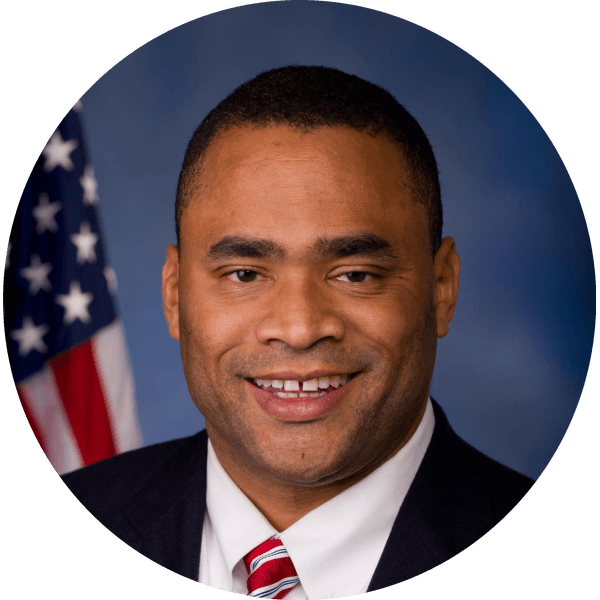
Referred to the House Committee on Financial Services.
Feb 21, 2025
Fit to Serve Act
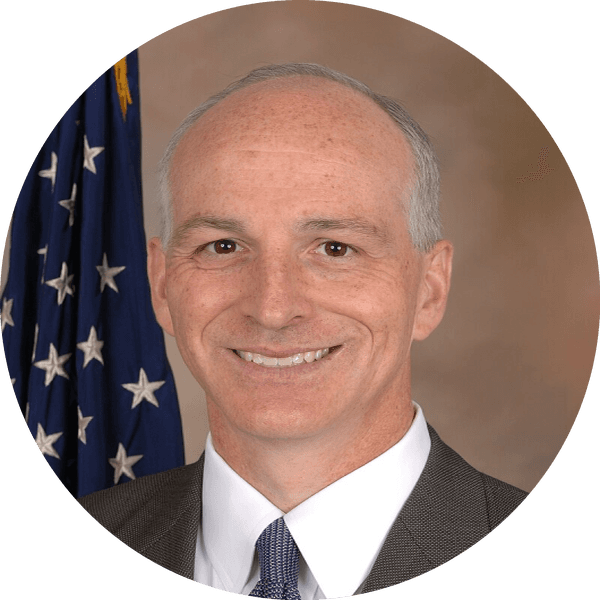
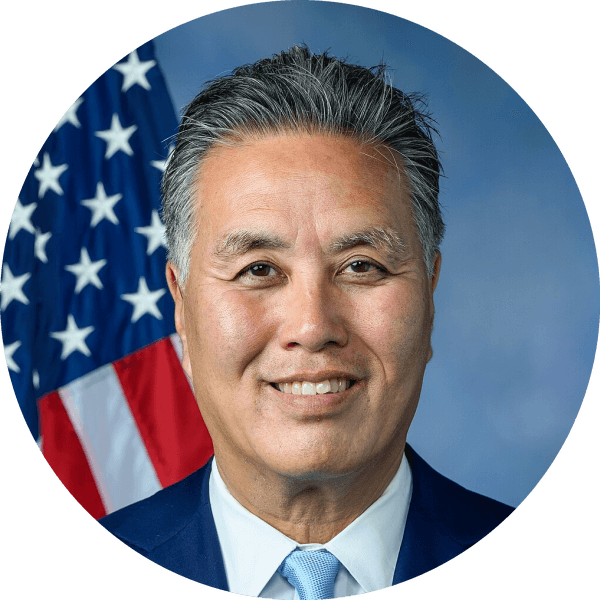
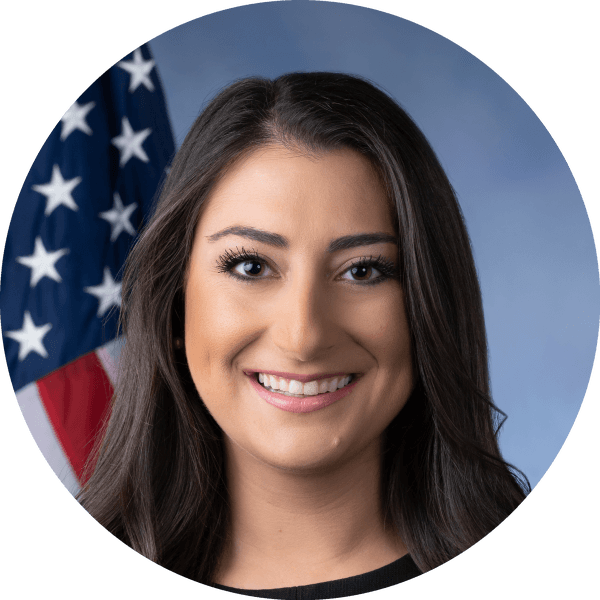

Referred to the House Committee on Armed Services.
May 21, 2025
ASAP Act


Ordered to be Reported in the Nature of a Substitute by the Yeas and Nays: 40 - 0.
Sep 16, 2026
Tracking Government Operations and Politics in Congress? Monitor bills, track cosponsor momentum, and launch advocacy campaigns — all from one advocacy platform.