H.R. 4348: To reauthorize the Kay Hagan Tick Act, and for other purposes.
Sponsor

Christopher Smith
Republican · NJ-4
Keep the federal fight against tick-borne disease going to 2030
Why it matters
Five fiscal years: that's how long H.R. 4348 renews the Kay Hagan Tick Act, whose authorization covered 2021 through 2025 and has now run out. It restarts the clock through 2030 for the national tick and mosquito disease strategy, the regional research centers, and the federal help that state and local health departments use to track and respond to outbreaks.
The Kay Hagan Tick Act set up three things: a national strategy for diseases spread by ticks and mosquitoes, grants for regional centers of excellence that study them, and extra federal support for state, local, and tribal health departments. Its authorization covered fiscal years 2021 through 2025.
H.R. 4348 renews all three for fiscal years 2026 through 2030, so the federal tick and mosquito disease framework stays on the books instead of running on an expired authorization. It does not create a new program or add a new dollar figure; how much each year actually gets is still decided in annual appropriations.
The bill makes two wording changes along the way. Regional centers are told to help increase the country's capacity to identify, report, prevent, and respond to these diseases, putting outbreak response into their job description rather than leaving them as research hubs.
The second change is about who is at the table. Current law names the Tick-Borne Disease Working Group, created by the 21st Century Cures Act, as a body federal officials consult on the national strategy. H.R. 4348 replaces that with "appropriate individuals," leaving the choice to the department.
The bill has drawn little opposition so far: the Energy and Commerce Committee approved it 48-0, and the full House passed it by voice vote in July 2026.
Bill Progress
Latest Action · Jul 21, 2026
Passed the House, received in Senate
H.R. 4348 Bill Summary
What H.R. 4348 actually does.
Tick and mosquito disease programs renewed through 2030
The national strategy and the regional centers of excellence get a new authorization window covering fiscal years 2026 through 2030, replacing the 2021-2025 window that has closed.
Your local health department keeps its federal backup
Enhanced federal support that helps state and local health departments detect and respond to vector-borne diseases is also renewed for fiscal years 2026 through 2030.
Research centers take on outbreak response
Regional centers of excellence are directed to help increase capacity to identify, report, prevent, and respond to these diseases, not only to study them.
Health officials choose who to consult
The requirement to consult the Tick-Borne Disease Working Group by name on the national strategy is replaced with a requirement to consult "appropriate individuals."
No new program, no new price tag in the text
The bill renews existing authorities and sets no new dollar amount. Actual funding levels are still set each year through appropriations.
Who benefits from H.R. 4348?
Families in Lyme and West Nile country
People who hike, garden, or keep pets where ticks and mosquitoes spread disease depend on the surveillance and warnings this federal framework supports, now authorized through 2030.
State, local, and tribal health departments
The staff who trap mosquitoes, test ticks, and report cases keep a renewed federal authorization for the support they use, rather than planning around a lapsed one.
Regional centers of excellence and their university partners
They get five more years of authorization and a mission that now explicitly includes helping communities detect and respond to outbreaks.
Who is affected by H.R. 4348?
The Tick-Borne Disease Working Group and patient advocates
The Working Group loses its named spot in the law's consultation language for the national strategy. Whether patient and advocate voices stay at the table would depend on who the department decides is appropriate.
Federal health officials at HHS and CDC
They keep responsibility for the national strategy through 2030, with more discretion over whom to consult.
Regional centers of excellence
Their grants now come with an explicit expectation to build real-world capacity for identifying, reporting, preventing, and responding to disease, which may shape how their work is evaluated.
House and Senate appropriators
Renewing the authorization does not fund anything by itself. Appropriators still decide each year how much these programs receive.
What Congress Is Saying
H.R. 4348 has come up 30 times in the Congressional Record so far.
H.R. 4348 also appeared in 1 more House floor reference and 25 routine cosponsor filings.
HR4348 Legislative Journey
Sent to Senate
Jul 21, 2026
Received in the Senate. Read twice. Placed on Senate Legislative Calendar under General Orders. Calendar No. 463.
House: Vote Held
Jul 20, 2026
On motion to suspend the rules and pass the bill Agreed to by voice vote. (text: CR H4640)
House: Committee Action
Jul 2, 2026
Reported by the Committee on Energy and Commerce. H. Rept. 119-725.
House: Vote: 48-0
May 21, 2026
Ordered to be Reported by the Yeas and Nays: 48 - 0.
House: Vote Held
May 13, 2026
Forwarded by Subcommittee to Full Committee by Voice Vote.
House: Committee Action
Jul 10, 2025
Referred to the House Committee on Energy and Commerce.
About the Sponsor
Christopher Smith
Republican, New Jersey's 4th congressional district · 45 years in Congress
Committees: Foreign Affairs
View full profile →
Cosponsors (36)
This bill has 36 cosponsors: 28 Democrats, 8 Republicans, reflecting bipartisan support. Cosponsors represent 19 states: California, Connecticut, Delaware, and 16 more.

Lloyd Doggett
Democrat · TX

Thomas Kean
Republican · NJ
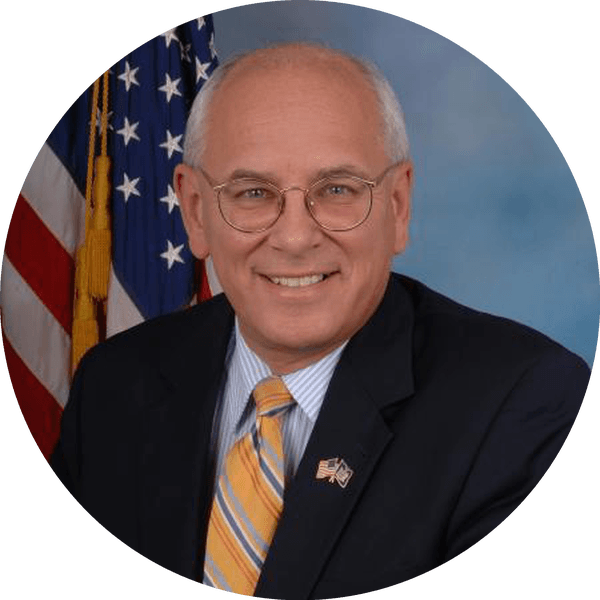
Paul Tonko
Democrat · NY
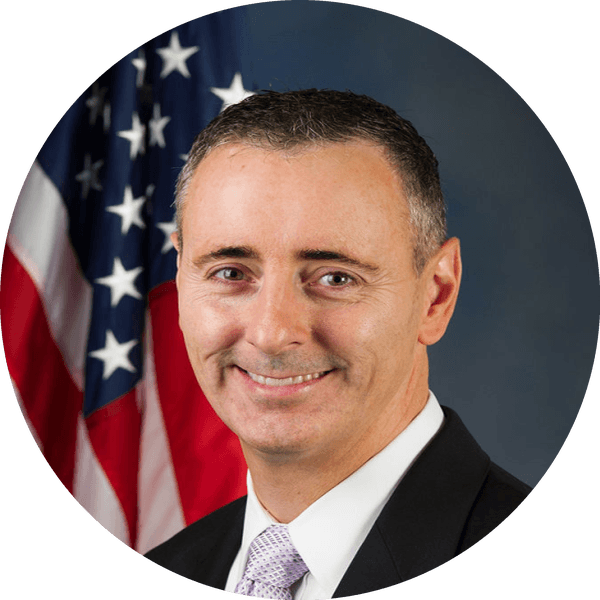
Brian Fitzpatrick
Republican · PA
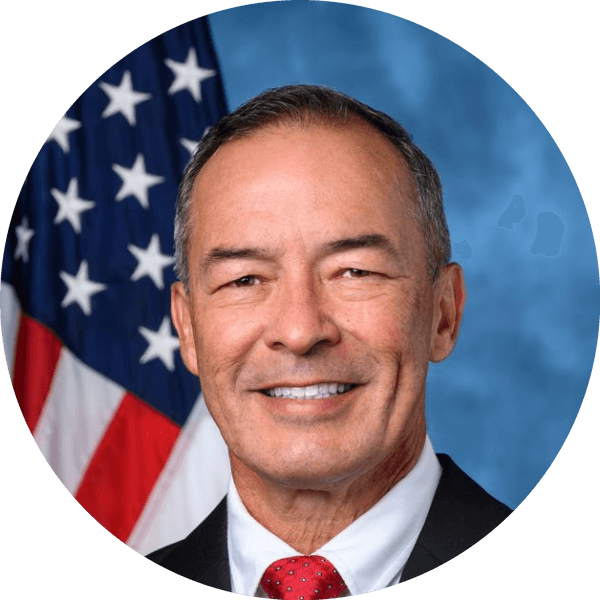
James Moylan
Republican · GU
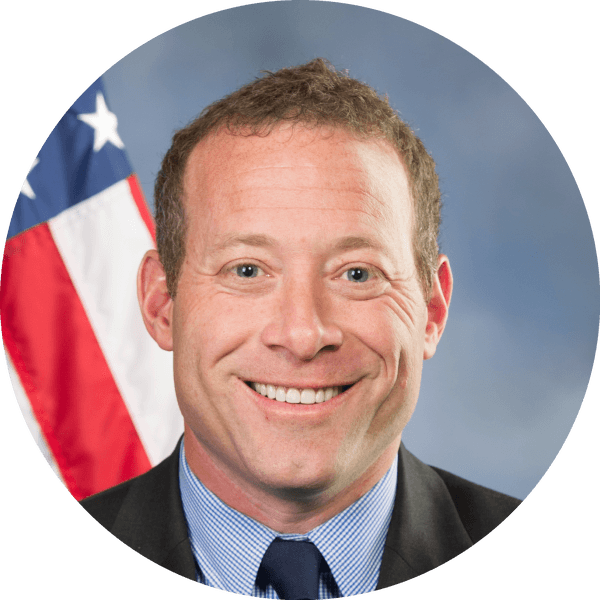
Josh Gottheimer
Democrat · NJ

Donald Davis
Democrat · NC

Gwen Moore
Democrat · WI

Nikki Budzinski
Democrat · IL

Emilia Sykes
Democrat · OH

Sarah McBride
Democrat · DE

Josh Riley
Democrat · NY
Committee Sponsors
Energy and Commerce Committee
4 of 54 committee members cosponsored


28 Republicans across this committee haven't cosponsored yet. Mobilize their constituents
What laws does H.R. 4348 change?
1 changes
Sections Amended
Section 2822(c) of Public Health Service Act (42 U.S.C. 300hh-32(c))
striking ``2021 through 2025'' and inserting ``2026 through 2030''
H.R. 4348 Quick Facts
- Committee
- Energy and Commerce
- Chamber
- House
- Policy
- Health
- Introduced
- Jul 10, 2025
Passed the House, received in Senate
Jul 21, 2026
Official Sources
Official status page for H.R. 4348, with bill text, actions, and the House vote record.
CBO scored the Senate version of this reauthorization at $101 million over 2026-2030, assuming the authorized amounts are appropriated.
The section of law H.R. 4348 amends to renew the national strategy and regional centers through fiscal year 2030.
The section authorizing enhanced federal support for state and local health departments, which the bill extends through 2030.
CDC page on the university-based regional centers whose grants this bill reauthorizes.
CDC hub for tick bite prevention, tickborne illnesses, and guidance for clinicians.
Official record of the Working Group whose named consultation role the bill removes; its authorization expired in December 2022.
H.R. 4348 Common Questions
What does H.R. 4348 do?
It renews the Kay Hagan Tick Act for fiscal years 2026 through 2030. That keeps the national strategy on tick and mosquito diseases, regional centers of excellence, and federal support for health departments authorized for five more years.
Who was Kay Hagan?
Kay Hagan was a U.S. senator from North Carolina from 2009 to 2015. She died in 2019 after contracting Powassan virus, a rare tick-borne infection. The original law was named for her.
Did the Kay Hagan Tick Act expire?
Its authorization covered fiscal years 2021 through 2025. H.R. 4348 sets a new window of 2026 through 2030. Programs can still get money through annual appropriations, but renewal puts them back on current footing.
Does H.R. 4348 help my local health department?
Yes. It renews enhanced federal support for state, local, and tribal health departments to detect, track, and respond to diseases spread by ticks and mosquitoes, through 2030.
What changes for regional centers of excellence?
They are directed to help increase capacity to identify, report, prevent, and respond to vector-borne diseases, making outbreak response part of their job alongside research.
Does H.R. 4348 cut the Tick-Borne Disease Working Group out?
It removes the Working Group's named role in consultations on the national strategy. Officials would instead consult "appropriate individuals," which could include the group but no longer has to.
How much money does H.R. 4348 spend?
The bill adds no new dollar figure. It changes the years the existing authorizations cover, and Congress still sets the actual amount each year in appropriations.
Where is H.R. 4348 now?
It passed the House by voice vote on July 20, 2026, after a 48-0 committee vote. It is on the Senate Legislative Calendar awaiting action.
Based on H.R. 4348 bill text
H.R. 4348 Bill Text
“To reauthorize the Kay Hagan Tick Act, and for other purposes.”
Source: U.S. Government Publishing Office
Get notified when H.R. 4348 moves
Committee votes, floor action, cosponsor changes — straight to your inbox.
Bill alerts + Legisletter's monthly briefing. Unsubscribe anytime.
Health Bills
9 related bills we're tracking
Nancy Gardner Sewell Medicare Multi-Cancer Early Detection Screening Coverage Act





Reported (Amended) by the Committee on Ways and Means. H. Rept. 119-333, Part I.
Oct 3, 2025
Mikaela Naylon Give Kids a Chance Act



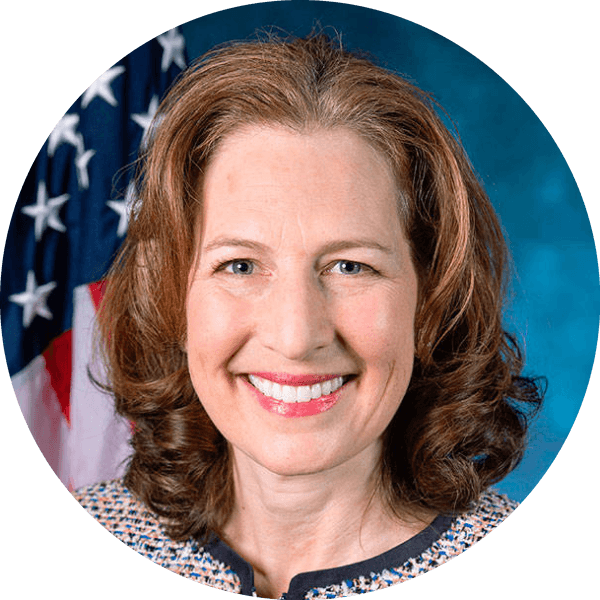

Received in the Senate.
Dec 2, 2025
Improving Seniors’ Timely Access to Care Act of 2025
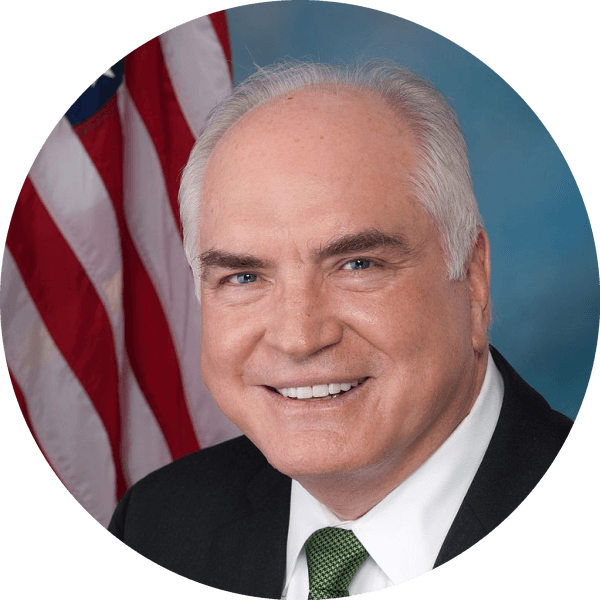

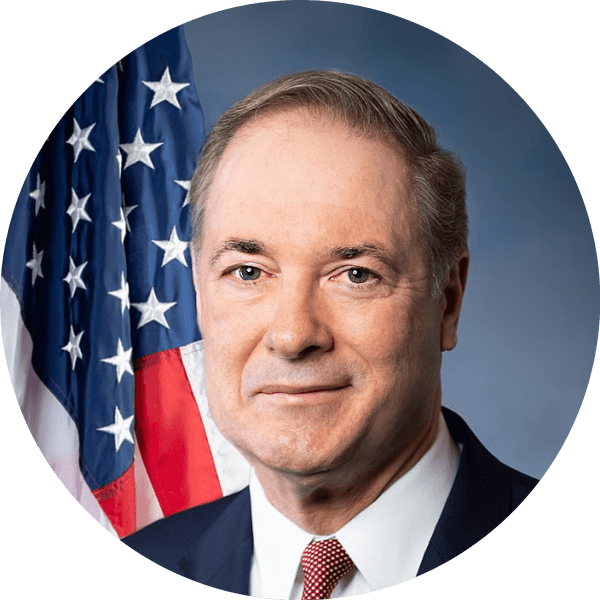


Ordered to be Reported in the Nature of a Substitute by the Yeas and Nays: 42 - 0.
Jul 15, 2026
CONNECT for Health Act of 2025
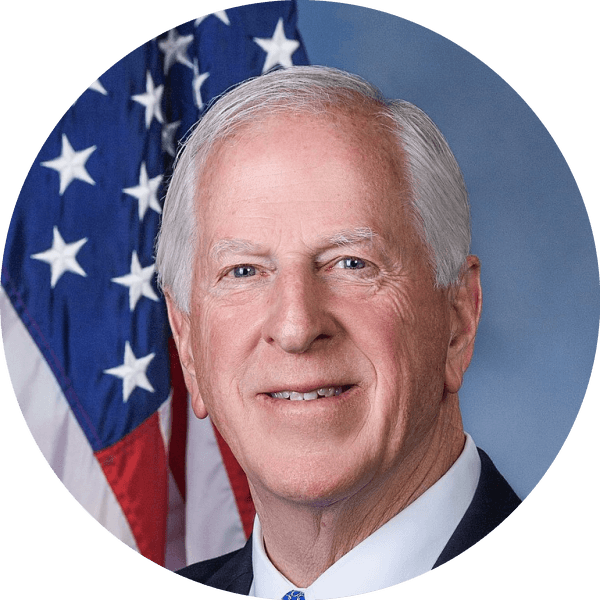




Referred to the Committee on Energy and Commerce, and in addition to the Committee on Ways and Means, for a period to be subsequently determined by the Speaker, in each case for consideration of such provisions as fall within the jurisdiction of the committee concerned.
Jun 26, 2025
ASAP Act



Ordered to be Reported in the Nature of a Substitute by the Yeas and Nays: 40 - 0.
Sep 16, 2026
Momnibus Act




Referred to the Subcommittee on Health.
Apr 20, 2026
Ensuring Lasting Smiles Act



Referred to the Committee on Energy and Commerce, and in addition to the Committees on Education and Workforce, and Ways and Means, for a period to be subsequently determined by the Speaker, in each case for consideration of such provisions as fall within the jurisdiction of the committee concerned.
May 8, 2025
Right to Contraception Act


Referred to the House Committee on Energy and Commerce.
Feb 5, 2025
Women’s Health Protection Act of 2025



Referred to the Committee on Energy and Commerce, and in addition to the Committee on the Judiciary, for a period to be subsequently determined by the Speaker, in each case for consideration of such provisions as fall within the jurisdiction of the committee concerned.
Jun 24, 2025
Trending Right Now
Bills gaining momentum across Congress
Fit to Serve Act




Referred to the House Committee on Armed Services.
May 21, 2025
America’s Olympic and Paralympic Games Commemorative Coins Act




Referred to the House Committee on Financial Services.
Jul 14, 2025
Therapeutic Fraud Prevention Act of 2025




Referred to the House Committee on Energy and Commerce.
May 7, 2025
Tracking Health in Congress? Monitor bills, track cosponsor momentum, and launch advocacy campaigns — all from one advocacy platform.