S. 759: Modernizing Access to Our Public Oceans Act
Sponsor

Ted Cruz
Republican · TX
One public map for every offshore boating and fishing rule
Why it matters
Federal ocean waters reach 200 nautical miles offshore, and the rules for what you can do out there are scattered across different agencies, charts, and websites. S. 759 would pull fishing closures, boating limits, and protected-area boundaries onto a single public map that NOAA keeps current.
The Modernizing Access to Our Public Oceans Act tells the Commerce Department to build one public website that maps where you can fish, boat, and dive in federal ocean waters — and what restrictions apply where. NOAA's National Marine Fisheries Service would run it.
The map would show open and closed areas, fishing closures, motor and fuel restrictions, marine protected areas, and what activities are allowed inside them. It would also fold in navigation data, depth charts, and bathymetry so trip planning lives in a single spot.
This is a transparency bill, not a regulatory one. It does not create any new fishing closures or ocean-use restrictions on its own — it organizes and publishes rules that already exist so the public can actually find them.
The timeline is long. The Secretary gets up to 31 months to set common data standards and up to 4 years to launch the website. Once it's live, boundaries for restricted and protected areas would update in real time, while most other data refreshes at least twice a year. The bill also requires a public feedback channel so users can flag errors or ask questions.
There are guardrails. The government couldn't publish sensitive information like the locations of cultural or archaeological resources or proprietary commercial fishing data. The bill says it doesn't apply to Tribal waters or usual and accustomed Tribal fishing areas, and it doesn't change anyone's existing authority over fisheries or navigable waters.
Bill Progress
Latest Action · Sep 25, 2026
Became Public Law No: 119-116.
S. 759 Bill Summary
What S. 759 actually does.
One website for offshore access rules
Within 4 years, the Commerce Department must publish a public, map-based website showing fishing and recreation rules across federal ocean waters out to 200 nautical miles.
Common data standards first
Within 31 months, the Secretary must adopt shared standards for how ocean recreation and fishing-restriction data is collected, organized, and shared across agencies.
Shows what you can do, and where
The map must mark fishing closures, boating and diving limits, motor and fuel restrictions, and which recreational activities are allowed inside protected areas.
Navigation and depth data in one place
The Secretary must keep publishing navigation information, depth charts, and bathymetry and, where practical, put it on the same website.
Real-time boundaries, twice-a-year updates
Restricted and protected-area boundaries must update in real time. Most other datasets must refresh at least twice a year.
Guardrails on sensitive and Tribal data
The bill bars publishing cultural, archaeological, and proprietary commercial fishing information, and excludes Tribal waters and usual and accustomed Tribal fishing areas.
Who benefits from S. 759?
Recreational anglers
Anyone fishing federal waters could check one map for where fishing is open, closed, or seasonally restricted before heading out, instead of stitching together agency PDFs.
Boaters and divers
One source for vessel restrictions, motor and fuel limits, navigation data, and safety closures like harmful algal blooms.
Charter operators and coastal businesses
Charter captains, marinas, and tourism operators could plan trips and answer customer questions from clear public data instead of guesswork.
Agencies that share ocean data
Standardized, interoperable data could cut duplication and reduce the public confusion that comes from a dozen agencies publishing in different formats.
Who is affected by S. 759?
NOAA and the Commerce Department
They carry the work — setting the standards, building the website, coordinating across agencies, and keeping the map current on a fixed timeline.
Other federal agencies with ocean data
Interior, Defense, Energy, EPA, the Coast Guard, and the Army Corps would need to move toward compatible, interoperable data systems.
Indian Tribes and Native Hawaiian organizations
Named as stakeholders for consultation. The bill states it does not override Tribal rights, treaty rights, or government-to-government consultation requirements.
Commercial fishing operators
Their proprietary information is shielded from disclosure, though broader public visibility into federal fishing-restriction maps could still affect them indirectly.
S759 Legislative Journey
Signed into Law
Sep 25, 2026
Became Public Law No: 119-116.
+3 more actions this day
Action Taken
Sep 22, 2026
Presented to President.
House: Vote Held
Sep 14, 2026
On motion to suspend the rules and pass the bill Agreed to by voice vote. (text: CR H5559)
House: Action Taken
Sep 11, 2025
Held at the desk.
Passed
Sep 10, 2025
Passed Senate with an amendment by Unanimous Consent. (consideration: CR S6556; text of amendment in the nature of a substitute: CR S6556)
+1 more action this day
Committee Action
Jul 16, 2025
Committee on Commerce, Science, and Transportation. Reported by Senator Cruz with an amendment in the nature of a substitute. With written report No. 119-40.
Passed Committee
Mar 12, 2025
Committee on Commerce, Science, and Transportation. Ordered to be reported with an amendment in the nature of a substitute favorably.
Committee Action
Feb 26, 2025
Read twice and referred to the Committee on Commerce, Science, and Transportation.
About the Sponsor
Ted Cruz
Republican, TX · 13 years in Congress
Committees: Commerce, Science, and Transportation, Rules and Administration, the Judiciary
View full profile →
Cosponsors at time of passage (1)
This bill has 1 cosponsor: 1 Independent. Cosponsors represent 1 state: Maine.
Committee Sponsors
Commerce, Science, and Transportation Committee
0 of 28 committee members cosponsored at the time
No committee members have cosponsored this bill
S. 759 Quick Facts

- Committee
- Commerce, Science, and Transportation
- Chamber
- Senate
- Policy
- Transportation and Public Works
- Introduced
- Feb 26, 2025
Became Public Law No: 119-116.
Sep 25, 2026
Official Sources
The official bill page with full text, status, and action history for the Modernizing Access to Our Public Oceans Act.
The committee report explaining the version of S. 759 reported favorably by the Senate Commerce, Science, and Transportation Committee.
The National Marine Fisheries Service office the bill names to build and run the public ocean access website.
Maintains the federal inventory of marine protected areas the map would have to identify and keep current.
Manages the national marine sanctuaries the bill requires the map to mark, along with what activities are allowed inside them.
Produces the nautical charts, depth charts, and bathymetry the bill folds into the same website.
The law under which the federal fishing restrictions the map would publish are established.
About Legisletter
Legisletter is the advocacy platform that tracks every bill from introduction to Public Law — and connects the constituents affected by a bill to the legislators who vote on it.
S. 759 Common Questions
What would the public ocean map under S. 759 actually show?
Where fishing is open or closed, boating and diving limits, motor and fuel restrictions, marine protected areas and what's allowed inside them, plus navigation data and depth charts — all in one place.
Does S. 759 close any new fishing or boating areas?
No. The bill doesn't create any new closures or restrictions. It only organizes and publishes rules that already exist so the public can find them. The bill also says it doesn't change anyone's authority over fisheries or navigable waters.
When would the ocean access website actually go live?
The bill gives the Commerce Department up to 4 years after enactment to publish the website, and up to 31 months before that to set the shared data standards behind it.
How current would the data on the map be?
Boundaries for restricted areas and marine protected areas would update in real time. Most other data — like vessel restrictions and navigation info — would refresh at least twice a year.
Who would build and run the ocean access map?
The Commerce Department, acting through NOAA's National Marine Fisheries Service. The bill also lets the Secretary partner with states, Tribes, universities, and private geospatial firms to pull it off.
Will the map expose shipwreck, archaeological, or commercial fishing data?
No. The bill bars the government from publishing the location of historic, cultural, paleontological, or archaeological resources, and it shields proprietary commercial fishing information.
Does S. 759 apply to Tribal waters or Tribal fishing areas?
No. The bill says its publication authorities don't apply to Tribal waters or usual and accustomed Tribal fishing areas, and nothing in it overrides Tribal treaty rights or consultation requirements.
Who's behind S. 759 and where does it stand?
Republican Ted Cruz of Texas wrote it, with independent Angus King of Maine as the lone cosponsor. It passed the Senate by unanimous consent in September 2025 and is now waiting in the House.
Based on S. 759 bill text
S. 759 Bill Text
“To provide for the standardization, publication, and accessibility of data relating to public outdoor recreational use of Federal waterways, and for other purposes.”
Source: U.S. Government Publishing Office
Get notified when S. 759 moves
Committee votes, floor action, cosponsor changes — straight to your inbox.
Bill alerts + Legisletter's monthly briefing. Unsubscribe anytime.
Transportation and Public Works Bills
9 related bills we're tracking
Stronger Communities through Better Transit Act


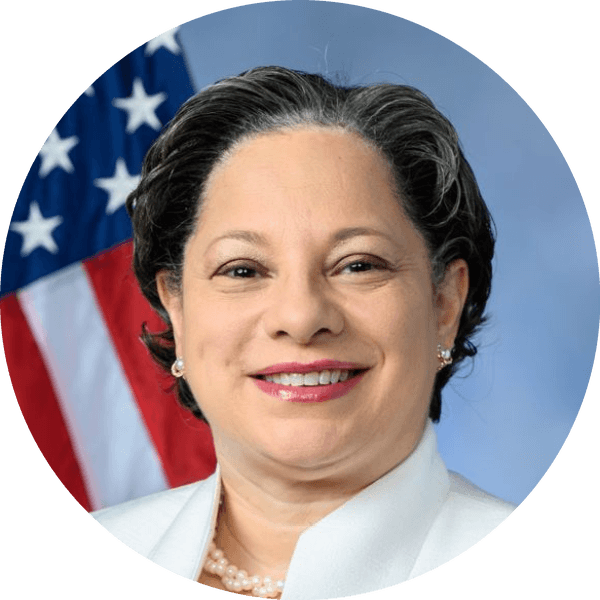


Referred to the Subcommittee on Highways and Transit.
May 16, 2025
SHIPS for America Act of 2025





Referred to the Subcommittee on Coast Guard and Maritime Transportation.
May 1, 2025
ALERT Act

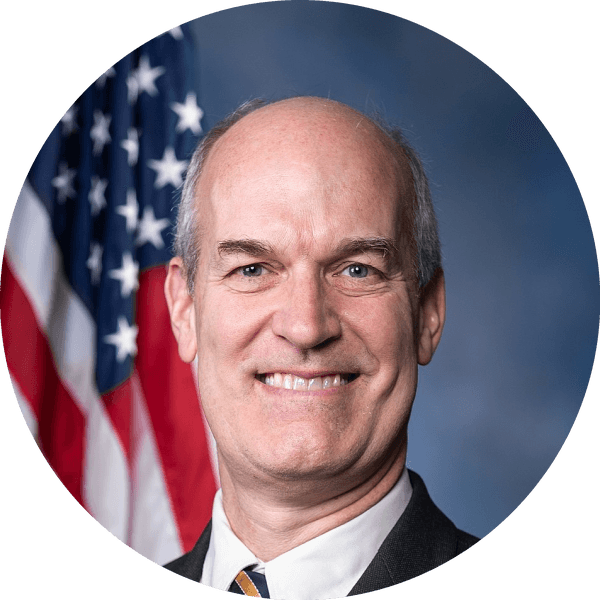


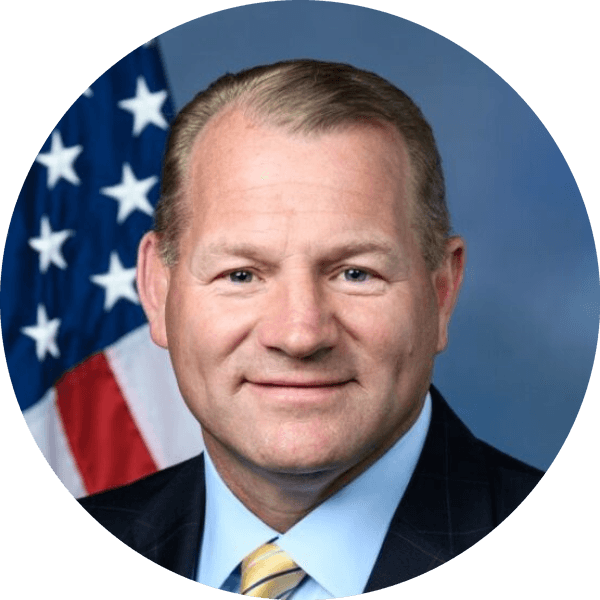
Received in the Senate and Read twice and referred to the Committee on Commerce, Science, and Transportation.
Apr 15, 2026
PART Act

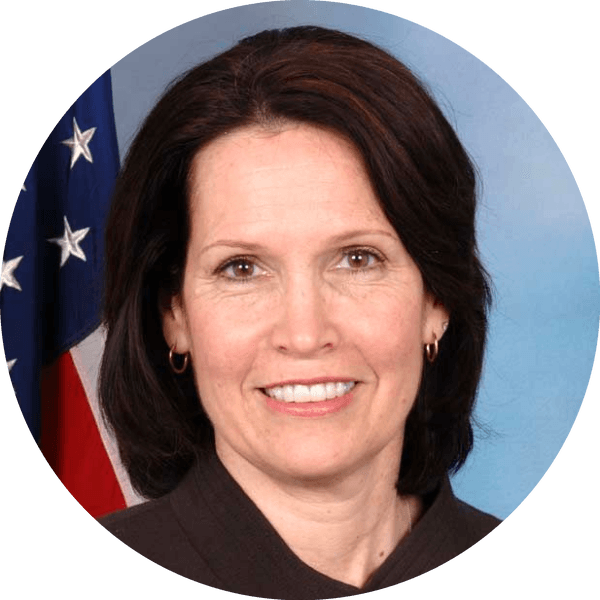



Forwarded by Subcommittee to Full Committee by Voice Vote.
Feb 10, 2026
ROTOR Act




On motion to suspend the rules and pass the bill Failed by the Yeas and Nays: (2/3 required): 264 - 133 (Roll no. 72).
Feb 24, 2026
SELF DRIVE Act of 2026





Forwarded by Subcommittee to Full Committee by the Yeas and Nays: 12 - 11.
Feb 10, 2026
BASICS Act




Referred to the House Committee on Transportation and Infrastructure.
Feb 9, 2026
She DRIVES Act



Placed on Senate Legislative Calendar under General Orders. Calendar No. 141.
Jul 31, 2025
To amend title 23, United States Code, and the Infrastructure Investment and Jobs Act with respect to vehicle roadside crashes, work zone safety, and for other purposes.




Referred to the Subcommittee on Highways and Transit.
Apr 24, 2025
Trending Right Now
Bills gaining momentum across Congress
North Platte Canteen Congressional Gold Medal Act





Referred to the House Committee on Financial Services.
Feb 21, 2025
Fit to Serve Act




Referred to the House Committee on Armed Services.
May 21, 2025
ASAP Act




Ordered to be Reported in the Nature of a Substitute by the Yeas and Nays: 40 - 0.
Sep 16, 2026
Tracking Transportation and Public Works in Congress? Monitor bills, track cosponsor momentum, and launch advocacy campaigns — all from one advocacy platform.