S. 2426: Equitable Community Access to Pharmacist Services Act
Sponsor
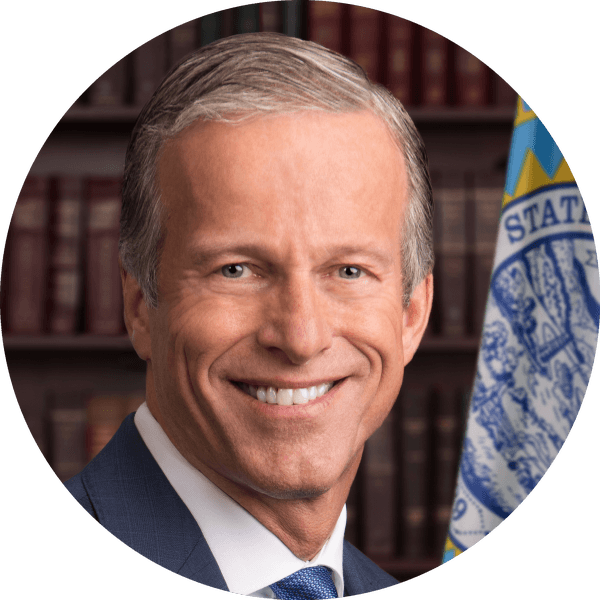
John Thune
Republican · SD
Your pharmacist could bill Medicare for COVID and flu visits
Why it matters
If you're on Medicare and you walk into a pharmacy to get tested for strep or flu, the pharmacist can probably handle it under state law — but Medicare won't pay them for the visit, only for the prescription. S. 2426 would let Medicare reimburse pharmacists for testing and treating COVID, flu, RSV, and strep at 85% of the rate it pays doctors, jumping to 100% during a declared public health emergency. The Senate Majority Leader sponsors the bill, and 27 senators from both parties have signed on.
S. 2426, the Equitable Community Access to Pharmacist Services Act, adds a new category of covered services to Medicare Part B: pharmacist services. For the first time, Medicare would reimburse pharmacists directly for clinical work, not just for dispensing prescriptions.
The scope is narrow. Coverage applies to four specific conditions — COVID-19, influenza, RSV, and strep throat — plus testing and treatment services tied to a public health emergency declared under the Public Health Service Act, if the HHS Secretary signs off on the specific services. The bill doesn't give pharmacists any new clinical powers. They can only bill Medicare for services they're already legally allowed to perform under their state's laws.
Here's the payment math. Medicare would reimburse 80% of the lesser of the pharmacist's actual charge or 85% of the physician fee schedule rate, with the patient covering the other 20% in coinsurance. For services tied to a declared public health emergency, the formula uses 100% of the physician rate instead of 85%. Pharmacists are also barred from balance-billing — they can't charge patients the difference between Medicare's payment and what they wish they'd been paid.
Where state law requires a pharmacist to work under physician supervision or in a collaborative agreement, those rules carry through to Medicare billing. The bill defines collaboration as a process where pharmacists and physicians work together under jointly developed, state-approved guidelines with medical direction and oversight.
The bill says the coverage applies to services furnished on or after January 1, 2026 — a date that's already passed. The legislation itself has been sitting in the Senate Finance Committee since July 2025, with Majority Leader John Thune as the lead sponsor and 27 cosponsors split fairly evenly between the parties. If Finance moves the bill, the committee could adjust the effective date or let coverage apply retroactively to qualifying services already furnished this year.
Bill Progress
Latest Action · Jul 24, 2025
Read twice and Referred to Finance. (text: CR S4701) for review
Visual Summary
S. 2426 at a Glance
<div style="max-width:100%;">
  <img src="https://legisletter.org/images/bill-infographics/s2426-editorial-20251204-105547.png" alt="S2426 Visual Summary - Equitable Community Access to Pharmacist Services Act" style="max-width:100%;height:auto;display:block;" />
  <p style="margin:8px 0 0;font-size:14px;color:#555;text-align:center;">
    <a href="https://legisletter.org/bill/s2426-equitable-community-access-pharmacist-services-act" target="_blank" rel="noopener noreferrer" style="color:inherit;text-decoration:underline;">S2426 Visual Summary – Equitable Community Access to Pharmacist Services Act</a>
    <span> via </span>
    <a href="https://legisletter.org" target="_blank" rel="noopener noreferrer" style="color:inherit;text-decoration:none;font-weight:500;">legisletter.org</a>
  </p>
</div>S. 2426 Bill Summary
What S. 2426 actually does.
Medicare would pay pharmacists for COVID, flu, RSV, and strep visits
The bill adds a new category called 'pharmacist services' to the list of items Medicare Part B covers. Coverage is limited to evaluation and management visits for testing or treating COVID-19, influenza, RSV, and strep throat, plus testing and treatment services tied to a declared public health emergency if the HHS Secretary approves them.
Pay rate: 85% of the physician fee, 100% during emergencies
Medicare reimburses 80% of the lesser of the pharmacist's actual charge or 85% of the physician fee schedule rate, with the patient covering the remaining 20% in coinsurance. For services responding to a declared public health emergency, the formula uses 100% of the physician fee instead of 85%.
No new scope of practice — state law still rules
Pharmacists can only bill Medicare for services they are already legally authorized to perform under their state's laws. The bill doesn't expand what pharmacists are allowed to do clinically. It only opens a Medicare payment channel for work they already do or are permitted to do.
Pharmacists can't balance-bill patients
The bill amends the Medicare billing rules to add pharmacists to the list of providers prohibited from balance billing. Pharmacists can't collect from patients the difference between Medicare's allowed amount and a higher charge they'd prefer.
Supervision and collaboration rules follow state requirements
If state law requires a pharmacist to work under physician supervision or in collaboration with a doctor or practitioner, Medicare will only pay when those state requirements are followed. Collaboration is defined as a process with medical direction and oversight under jointly developed, state-approved guidelines.
Who benefits from S. 2426?
Medicare patients in rural and underserved areas
Older adults and disabled Americans on Medicare who live where pharmacies are easier to reach than doctor's offices could get tested and treated for COVID, flu, RSV, and strep at the drugstore counter without paying out of pocket. In many small towns, the pharmacy is the only walk-in clinical option within a reasonable drive.
Community and independent pharmacists
Pharmacists running clinical visits for common infections would have a Medicare billing pathway for work many of them already do as a courtesy or under awkward gray-area arrangements. At 85% of the physician rate, a typical evaluation-and-management visit would land roughly in the $70 to $130 range depending on complexity.
Pharmacies during public health emergencies
When the HHS Secretary declares a public health emergency, pharmacists providing qualifying testing or treatment services would be paid at 100% of the physician rate. That makes pharmacies viable surge capacity for pandemics and other crises in a way they aren't under current payment rules.
Physician practices stretched thin
Primary care clinics dealing with appointment backlogs could see pressure ease on routine infection visits without losing oversight, since state-required supervision and collaboration agreements still apply. Where physicians already partner with pharmacists, the bill formalizes the financial relationship.
Who is affected by S. 2426?
Pharmacies setting up Medicare billing
Pharmacies that want to bill Medicare would need to set up billing systems, documentation practices, and compliance workflows that meet Part B requirements. That includes scheduling clinical visits, keeping detailed patient charts, and coordinating with supervising or collaborating physicians where state law requires it.
State licensing boards
Because Medicare coverage hinges on what state law permits pharmacists to do and how collaboration is defined, state boards of pharmacy and medicine become the gating factor on how widely the bill can be used. States with restrictive scope-of-practice rules would limit how much of the new Medicare coverage their pharmacists can actually access.
CMS rule-writers
Medicare administrators would need to write billing codes, documentation requirements, and operational rules for pharmacist services, including how to designate qualifying public health emergency services in real time. That includes coordination with the HHS Secretary, who under the bill decides which emergency services qualify.
Physician practices and care coordination
Practices that don't already collaborate with pharmacists may face pressure from patients and insurers to formalize relationships, especially in rural markets. The bill keeps physician-led care models intact where state law requires them, but it puts pharmacists into a more formal billing role inside the broader Medicare ecosystem.
What Congress Is Saying
S. 2426 has come up 10 times in the Congressional Record so far.
S. 2426 also appeared in 1 more Senate floor reference and 7 routine cosponsor filings.
S2426 Legislative Journey
Committee Action
Jul 24, 2025
Read twice and referred to the Committee on Finance. (text: CR S4701)
About the Sponsor
John Thune
Republican, SD · 29 years in Congress
Committees: Commerce, Science, and Transportation, Finance, Agriculture, Nutrition, and Forestry
View full profile →
Cosponsors (33)
This bill has 33 cosponsors: 17 Democrats, 16 Republicans, reflecting bipartisan support. Cosponsors represent 28 states: Alaska, Arizona, California, and 25 more.

Mark Warner
Democrat · VA

Thomas Tillis
Republican · NC
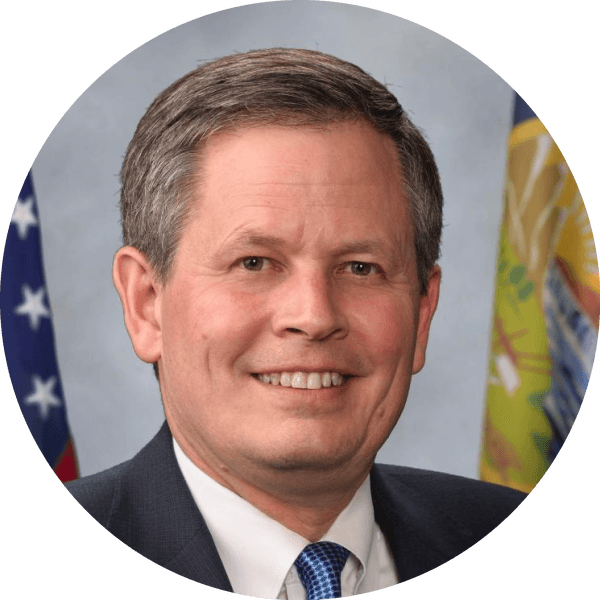
Steve Daines
Republican · MT

Maggie Hassan
Democrat · NH

Elizabeth Warren
Democrat · MA

Peter Welch
Democrat · VT
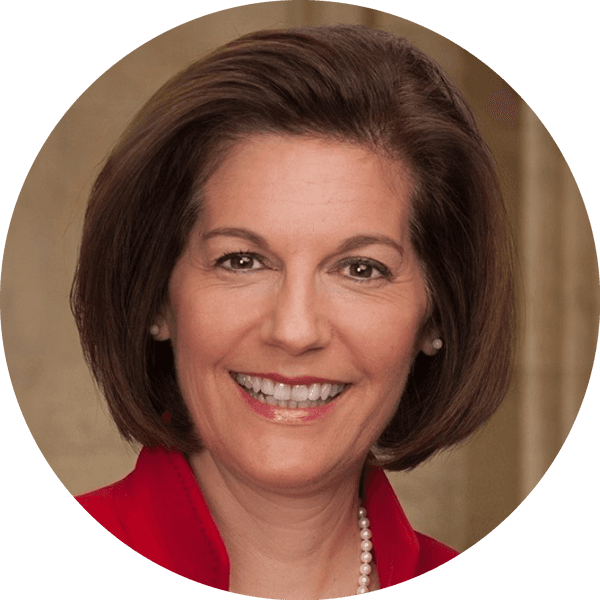
Catherine Cortez Masto
Democrat · NV
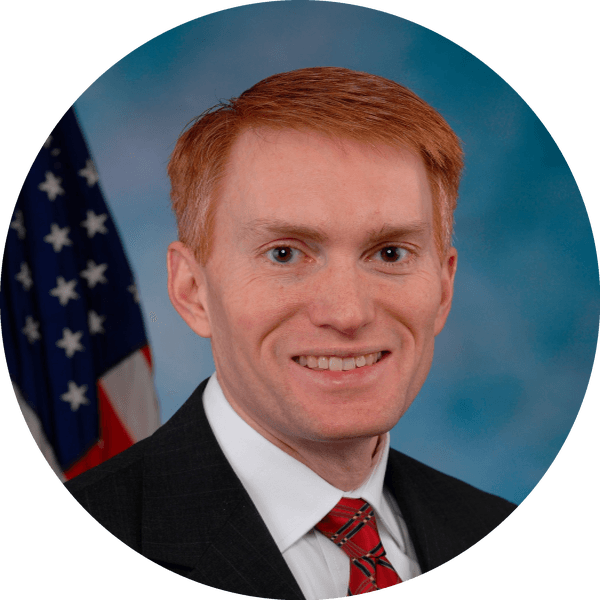
James Lankford
Republican · OK
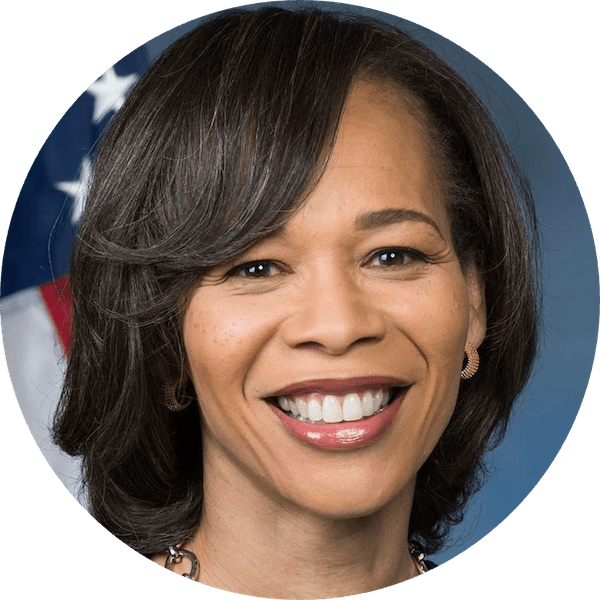
Lisa Blunt Rochester
Democrat · DE
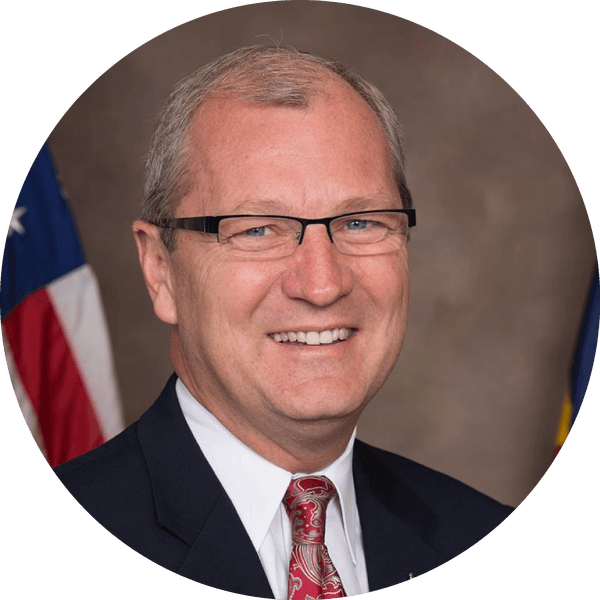
Kevin Cramer
Republican · ND
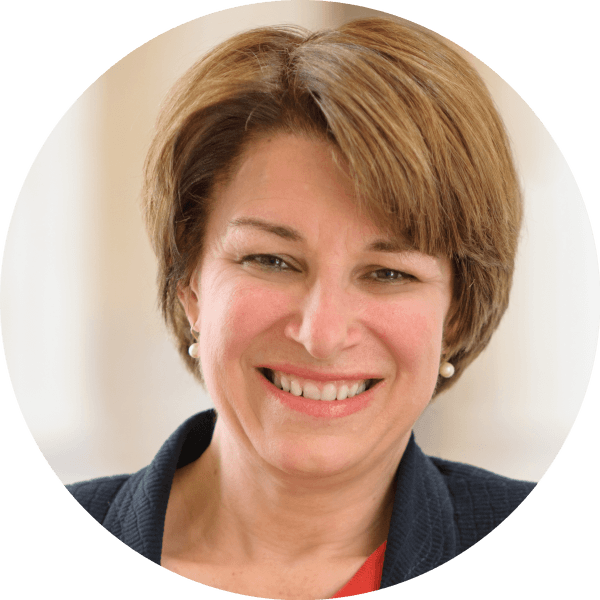
Amy Klobuchar
Democrat · MN
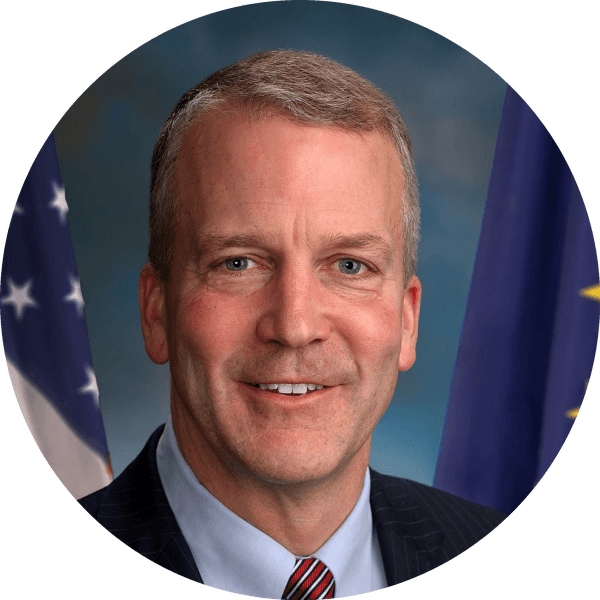
Dan Sullivan
Republican · AK
Committee Sponsors
Finance Committee
12 of 27 committee members cosponsored


8 Republicans across this committee haven't cosponsored yet. Mobilize their constituents
What laws does S. 2426 change?
4 key amendments · 4 total changes
Social Security Act, Section 1861(s)(2)
in subsection (s)(2)—
  (A) in subparagraph (JJ), by adding ''and'' at the end; and
  (B) by adding at the end the following new subparagraph:
  ''(KK) pharmacist services (as defined in subsection (nnn));''
What this means: Medicare Part B's list of covered services is expanded to include a new category: pharmacist services, as defined in a new subsection.
Social Security Act, Section 1861
by adding at the end the following new subsection:
  ''(nnn) PHARMACIST SERVICES.—
    ''(1) IN GENERAL.—The term 'pharmacist services' means such services furnished by a pharmacist, and such services and supplies furnished as an incident to the pharmacist's service, which the pharmacist is legally authorized to perform under State law as would otherwise be covered if furnished by a physician or as an incident to a physicians' service which—
      ''(A) in the case such State law requires such services to be furnished under the supervision of, or working in collaboration with, a physician or practitioner (as defined in section 1842(b)(18)(C)(i)), are so furnished under the supervision of, or working in collaboration with, such physician or practitioner in the manner and to the extent as so required by such State law; and
      ''(B) are—
        ''(i) for visits for the evaluation and management of individuals for testing or treatment for COVID–19, influenza, respiratory syncytial virus, or streptococcal pharyngitis; or
        ''(ii) testing or treatment services that address a public health need related to a public health emergency declared under section 319 of the Public Health Service Act (as determined by the Secretary).
    ''(2) COLLABORATION.—For purposes of this subsection, the term 'collaboration' means a process in which a pharmacist works with a physician or practitioner (as defined in section 1842(b)(18)(C)(i)), as applicable, to deliver health care services within the scope of the pharmacist's professional expertise, with medical direction and appropriate supervision as provided for in jointly developed guidelines or other mechanisms as defined by the law of the State in which the services are performed.''
What this means: A new statutory definition of 'pharmacist services' is created for Medicare, specifying which pharmacist-furnished clinical services can be covered (testing and treatment for COVID-19, flu, RSV, strep, and services tied to declared public health emergencies) and how collaboration and supervision with physicians must work under state law.
Social Security Act, Section 1861(nnn)(1)(B)(i)–(ii)
''(B) are—
  ''(i) for visits for the evaluation and management of individuals for testing or treatment for COVID–19, influenza, respiratory syncytial virus, or streptococcal pharyngitis; or
  ''(ii) testing or treatment services that address a public health need related to a public health emergency declared under section 319 of the Public Health Service Act (as determined by the Secretary).''
What this means: The statute explicitly limits covered pharmacist services to certain infectious disease testing and treatment visits and to services related to federally declared public health emergencies.
Social Security Act, Section 1833(a)(1)
''and (HH)''(1) by striking ''and (HH)'' and inserting ''(HH)''; and
(2) by inserting before the semicolon at the end the following: '', and (II) with respect to pharmacist services (as defined in section 1861(nnn)), the amounts paid shall be equal to 80 percent of the lesser of (i) the actual charge for the services or (ii) 85 percent (or 100 percent, in the case of such services that address a public health need described in paragraph (2)(B) of such section) of the amount determined under the payment basis under section 1848 for such services.''What this means: Medicare's Part B payment formula is modified to set a specific reimbursement rate for pharmacist services: 80% of the lesser of the actual charge or 85% of the physician fee schedule, with the rate jumping to 100% of the physician fee for services tied to a declared public health emergency.
S. 2426 Quick Facts
- Committee
- Finance
- Chamber
- Senate
- Policy
- Health
- Introduced
- Jul 24, 2025
Read twice and Referred to Finance. (text: CR S4701) for review
Jul 24, 2025
Official Sources
Official bill page with full text, sponsor list, committee referral, and action history.
The House version of the pharmacist services Medicare coverage proposal, referred to Energy and Commerce and Ways and Means.
The Medicare statute the bill amends to add 'pharmacist services' as a new covered service category under Part B.
The Part B payment formula amended by the bill to set pharmacist reimbursement at 80% of the lesser of actual charge or 85% of the physician fee schedule (100% during emergencies).
The Medicare administration statute amended to add pharmacists to the list of providers prohibited from balance billing.
The physician fee schedule used as the benchmark for pharmacist reimbursement under the bill's payment formula.
The statute under which HHS declares public health emergencies — the trigger for the bill's higher 100% reimbursement rate.
The committee where S. 2426 has been parked since July 2025; the Subcommittee on Health Care has jurisdiction over Medicare coverage and payment policy.
Who is lobbying on S. 2426?
1 organization lobbying on this bill
Lobbying on S.2426 is being driven by a familiar healthcare power bloc: the National Association of Chain Drug Stores, the American Medical Association, and CVS Health are the most active filers, signaling a coordinated push from pharmacy retail and organized medicine. The broader lineup is dominated by trade groups and major healthcare companies focused on Medicare and Medicaid reimbursement and workforce scope pressures, suggesting this bill is being treated less as a niche pharmacy measure than as a structural play over who gets paid to deliver front-line care.
SUTTER HEALTH | 2 |
Showing 1-1 of 1 organizations
S. 2426 Common Questions
How much would Medicare pay pharmacists under S. 2426?
Medicare would pay 80% of the lesser of the pharmacist's actual charge or 85% of the physician fee schedule rate for the same service, with the patient covering the other 20% in coinsurance. For services tied to a declared public health emergency, the rate uses 100% of the physician fee instead of 85%.
What conditions can pharmacists bill Medicare for under S. 2426?
Four infections: COVID-19, influenza, RSV, and strep throat. Pharmacists could bill Medicare for evaluation and management visits to test or treat patients for those conditions. They could also bill for testing or treatment services tied to a declared public health emergency, if the HHS Secretary approves the specific services.
Does S. 2426 expand pharmacist scope of practice?
No. Pharmacists can only bill Medicare for services they're already legally authorized to perform under their state's laws. The bill doesn't give pharmacists new clinical powers. It only opens a Medicare payment channel for work they already do or are permitted to do.
When would these Medicare changes take effect?
The bill text applies the changes to services furnished on or after January 1, 2026 — a date that's already passed, since the bill is still sitting in committee. If Finance moves it, the committee would likely adjust the effective date or let coverage apply retroactively to qualifying services already provided in 2026.
Can pharmacists balance-bill Medicare patients under S. 2426?
No. The bill adds pharmacists to the list of providers prohibited from balance billing under Medicare. Pharmacists can't charge patients the difference between what Medicare pays and a higher rate they'd prefer to collect.
What happens to pharmacist payments during a public health emergency?
The reimbursement formula bumps from 85% of the physician fee to 100% of the physician fee for services tied to an emergency declared under the Public Health Service Act, but only for services the HHS Secretary determines qualify. Medicare's 80% share and the patient's 20% coinsurance still apply to that higher base.
How does S. 2426 handle states that require physician supervision?
Where state law requires a pharmacist to work under physician supervision or in a collaborative agreement, Medicare will only pay when those state requirements are followed. The bill defines collaboration as a process with medical direction and oversight under jointly developed, state-approved guidelines.
Who sponsors S. 2426 and how much bipartisan support does it have?
Senate Majority Leader John Thune (R-SD) is the lead sponsor, with 27 cosponsors split fairly evenly between Republicans and Democrats. Cosponsors include Mark Warner (D-VA), Thom Tillis (R-NC), Elizabeth Warren (D-MA), Lisa Murkowski (R-AK), and Amy Klobuchar (D-MN). The bill is parked in the Senate Finance Committee.
Based on S. 2426 bill text
S. 2426 Bill Text
“To amend title XVIII of the Social Security Act to provide pharmacy payment of certain services.”
Source: U.S. Government Publishing Office
Get notified when S. 2426 moves
Committee votes, floor action, cosponsor changes — straight to your inbox.
Bill alerts + Legisletter's monthly briefing. Unsubscribe anytime.
Health Bills
9 related bills we're tracking
Nancy Gardner Sewell Medicare Multi-Cancer Early Detection Screening Coverage Act

Reported (Amended) by the Committee on Ways and Means. H. Rept. 119-333, Part I.
Oct 3, 2025
Mikaela Naylon Give Kids a Chance Act




Received in the Senate.
Dec 2, 2025
Improving Seniors’ Timely Access to Care Act of 2025
Ordered to be Reported in the Nature of a Substitute by the Yeas and Nays: 42 - 0.
Jul 15, 2026
CONNECT for Health Act of 2025



Referred to the Committee on Energy and Commerce, and in addition to the Committee on Ways and Means, for a period to be subsequently determined by the Speaker, in each case for consideration of such provisions as fall within the jurisdiction of the committee concerned.
Jun 26, 2025
ASAP Act
Ordered to be Reported in the Nature of a Substitute by the Yeas and Nays: 40 - 0.
Sep 16, 2026
Momnibus Act



Referred to the Subcommittee on Health.
Apr 20, 2026
Ensuring Lasting Smiles Act

Referred to the Committee on Energy and Commerce, and in addition to the Committees on Education and Workforce, and Ways and Means, for a period to be subsequently determined by the Speaker, in each case for consideration of such provisions as fall within the jurisdiction of the committee concerned.
May 8, 2025
Right to Contraception Act
Referred to the House Committee on Energy and Commerce.
Feb 5, 2025
Women’s Health Protection Act of 2025

Referred to the Committee on Energy and Commerce, and in addition to the Committee on the Judiciary, for a period to be subsequently determined by the Speaker, in each case for consideration of such provisions as fall within the jurisdiction of the committee concerned.
Jun 24, 2025
Trending Right Now
Bills gaining momentum across Congress
North Platte Canteen Congressional Gold Medal Act


Referred to the House Committee on Financial Services.
Feb 21, 2025
America’s Olympic and Paralympic Games Commemorative Coins Act


Referred to the House Committee on Financial Services.
Jul 14, 2025
Fit to Serve Act
Referred to the House Committee on Armed Services.
May 21, 2025
Tracking Health in Congress? Monitor bills, track cosponsor momentum, and launch advocacy campaigns — all from one advocacy platform.