H.R. 7121: Securing Federal Devices from Chinese Applications Act
Sponsor

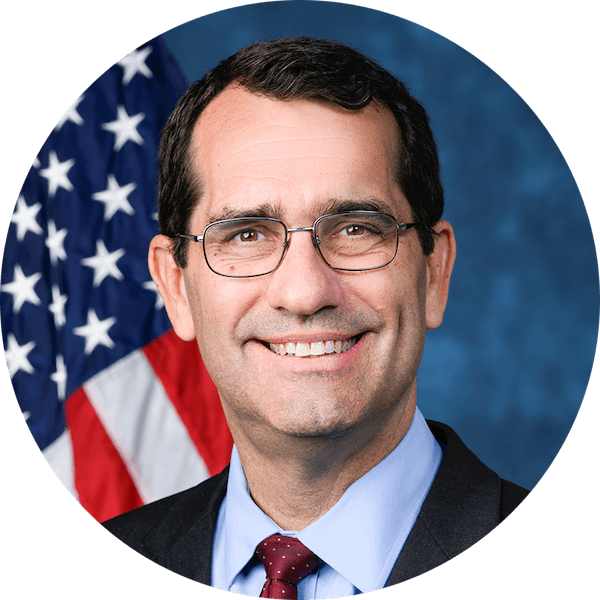
Jefferson Shreve
Republican · IN-6
Congress banned TikTok from federal phones — this bans the rest
Why it matters
Congress banned one Chinese app — TikTok — from federal devices in 2022. H.R. 7121 would extend that lockdown to every app owned or controlled by a China-linked company, with a government-wide list refreshed every 180 days and a 60-day clock to wipe each app once it's flagged.
H.R. 7121 sets one rule for the entire executive branch: no "covered application" may be downloaded or used on a federal government device. That reach includes every executive department, the military departments, government corporations, independent regulatory agencies, and the Executive Office of the President itself. The governments of the District of Columbia and the U.S. territories are specifically excluded.
What makes an app "covered" is an ownership test, not a name. An app qualifies if it's developed, owned, or controlled by an entity headquartered in China, by an entity the Chinese government or Communist Party controls, or by any parent, subsidiary, or affiliate of one. On top of that, the Secretary of Defense can flag any app that poses an undue national security risk because of Chinese ownership, control, or influence — even without a direct ownership link.
The bill runs on deadlines. Within 180 days of enactment, the Office of Management and Budget — working with Homeland Security, the Pentagon, and the Director of National Intelligence — must issue guidance on how the banned-app list gets built, then refresh that guidance every 180 days. Within 270 days, each agency must publish its own rules for exceptions. And once an app lands on the list, agencies have 60 days to get it off every federal device.
There is one escape valve: an agency head can permit controlled access to a covered app when it's needed for a research or intelligence function required by law. Even then, the exception rules must include cybersecurity safeguards and documented risk mitigation. The bill carries no dollar figure, no grant program, and no penalties — compliance runs entirely through OMB guidance and each agency's own implementation.
Bill Progress
Latest Action · Jan 15, 2026
Referred to the House Committee on Oversight and Government Reform.
H.R. 7121 Bill Summary
What H.R. 7121 actually does.
No China-linked apps on federal devices
A covered application may not be downloaded or used on any federal government device. The rule spans the executive branch — every executive department, the military departments, government corporations, independent regulatory agencies, and the Executive Office of the President.
Ownership test reaches parents, subsidiaries, and affiliates
An app is covered if it's developed, owned, or controlled by an entity headquartered in the People's Republic of China, by an entity in which the Chinese government or Communist Party holds a controlling interest, or by a parent, subsidiary, or affiliate of such an entity. The test follows corporate structure, not the app's brand name.
The Pentagon gets a catch-all designation power
The Secretary of Defense can treat any app as covered if it poses an undue risk to U.S. national security because of ownership, control, or influence by the People's Republic of China — even when there's no direct Chinese ownership stake.
A rolling banned-app list, rebuilt every 180 days
Within 180 days of enactment, and every 180 days after, the Office of Management and Budget must issue guidance on how the covered-applications list is created and updated — in consultation with the Secretary of Homeland Security, the Secretary of Defense, and the Director of National Intelligence.
Flagged apps come off devices within 60 days
Once an application is identified as covered, each agency head must ensure it is removed from federal devices within 60 days. That's a hard compliance clock that starts the moment an app makes the list.
One narrow exception: research and intelligence work
An agency head may allow controlled access to a covered app only when it's needed to fulfill a research or intelligence function required by law. Each agency must publish exception guidance within 270 days, including cybersecurity safeguards and documented risk mitigation for every approved use.
Who benefits from H.R. 7121?
Federal IT and cybersecurity teams
Instead of agency-by-agency app policies, they'd get one government-wide standard plus OMB guidance refreshed every 180 days — a single playbook for what comes off devices and when.
National security officials
The Secretary of Defense gains a formal designation power: any app posing an undue national security risk tied to Chinese ownership, control, or influence can be added to the banned list, no direct ownership stake required.
Federal employees handling sensitive information
Workers whose devices touch classified or sensitive systems would get a clearer, enforced boundary on what software can sit alongside that data.
Agency compliance offices
Fixed deadlines — 180 days for list guidance, 270 days for exception rules, 60 days for removal — replace open-ended discretion with a schedule they can plan around.
Who is affected by H.R. 7121?
Executive branch agencies
They carry the implementation load: enforcing the ban, removing flagged apps within 60 days, and publishing exception guidance within 270 days. The definition of agency reaches the Executive Office of the President and independent regulatory agencies.
Federal employees and contractors using government devices
They could no longer download or use covered applications on federal devices, unless an agency head approves the narrow research-or-intelligence exception. Personal phones and personal accounts are untouched — the bill applies only to government devices.
App companies with ties to China
Apps developed, owned, or controlled by entities headquartered in China — or by entities the Chinese government or Communist Party controls — would lose access to federal devices. The same applies to their parents, subsidiaries, and affiliates.
District of Columbia and territorial governments
They're specifically excluded from the bill's definition of agency, so the ban would not directly apply to the governments of D.C., the territories and possessions of the United States, or their subdivisions.
HR7121 Legislative Journey
House: Committee Action
Jan 15, 2026
Referred to the House Committee on Oversight and Government Reform.
About the Sponsor
Jefferson Shreve
Republican, Indiana's 6th congressional district · 1 years in Congress
Committees: Appropriations
View full profile →
Cosponsors (3)
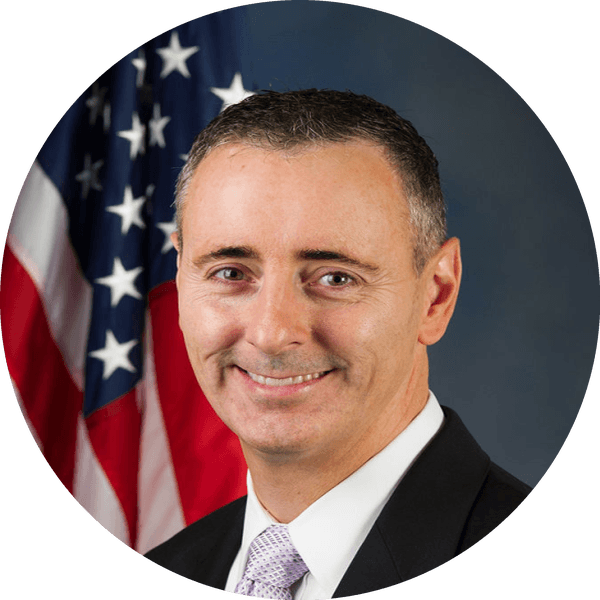
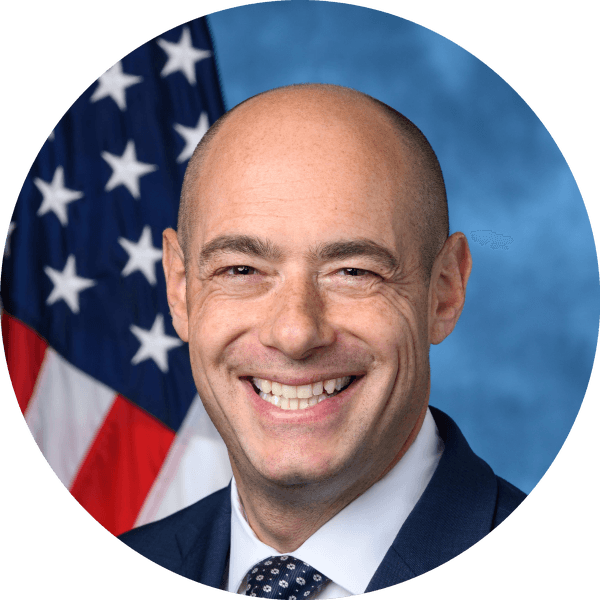
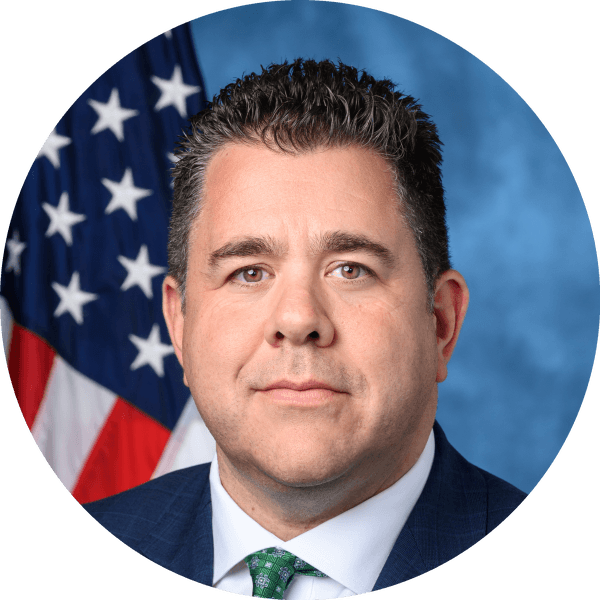
All 3 cosponsors are Republicans. Cosponsors represent 3 states: Kansas, North Carolina, Nebraska.
Committee Sponsors
Oversight and Government Reform Committee
0 of 47 committee members cosponsored
No committee members have cosponsored this bill
26 Republicans across this committee haven't cosponsored yet. Mobilize their constituents
H.R. 7121 Quick Facts


- Committee
- Oversight and Government Reform
- Chamber
- House
- Policy
- Government Operations and Politics
- Introduced
- Jan 15, 2026
Referred to the House Committee on Oversight and Government Reform.
Jan 15, 2026
Official Sources
Official bill page with text, actions, sponsors, and status for the Securing Federal Devices from Chinese Applications Act.
The 2022 law that banned TikTok from federal devices — the single-app precedent H.R. 7121 extends to every China-linked application.
OMB's implementation guidance for the 2022 TikTok device ban — the template for how OMB would build and enforce the covered-application list under this bill.
OMB is the agency the bill tasks with issuing guidance, refreshed every 180 days, on how the covered-applications list will be created and updated.
The bill requires OMB to consult with the Secretary of Homeland Security when developing guidance on the covered-applications list.
CISA is the federal lead for the cybersecurity safeguards each agency must build into its exception guidance for approved covered-app use.
The committee where H.R. 7121 currently sits after referral — the first stop if the bill moves.
H.R. 7121 Common Questions
Does H.R. 7121 ban Chinese apps on personal phones?
No. The ban applies only to federal government devices. Your personal phone isn't touched — the bill restricts what can be downloaded or used on devices owned by executive branch agencies, nothing else.
How is H.R. 7121 different from the federal TikTok ban?
The 2022 law named one app — TikTok. H.R. 7121 covers any app developed, owned, or controlled by a China-based entity, including parents, subsidiaries, and affiliates, with a government-wide banned list refreshed every 180 days.
What counts as a covered application under H.R. 7121?
Any app developed, owned, or controlled by an entity headquartered in China, by an entity the Chinese government or Communist Party controls, or by a parent, subsidiary, or affiliate of one. The Defense Secretary can also flag any app posing an undue national security risk tied to China.
Who decides which apps go on the banned list?
The Office of Management and Budget, working with Homeland Security, the Pentagon, and the Director of National Intelligence. OMB must issue guidance on building the list within 180 days of enactment and refresh it every 180 days after that.
How fast would agencies have to remove a banned app?
60 days. Once an app is identified as a covered application, each agency head must ensure it comes off every federal device within 60 days.
Are there any exceptions to the federal Chinese app ban?
One. An agency head can allow controlled access to a covered app when it's needed for a research or intelligence function required by law. Each agency must publish exception rules within 270 days, including cybersecurity safeguards and documented risk mitigation.
Does H.R. 7121 apply to state, D.C., or territorial governments?
No. The bill covers executive branch agencies — including the Executive Office of the President, independent regulatory agencies, and government corporations — but specifically excludes the governments of D.C., the territories, and their subdivisions. States were never in scope.
Based on H.R. 7121 bill text
H.R. 7121 Bill Text
“To prohibit the download or use of a Chinese application on any Federal Government device.”
Source: U.S. Government Publishing Office
Get notified when H.R. 7121 moves
Committee votes, floor action, cosponsor changes — straight to your inbox.
Bill alerts + Legisletter's monthly briefing. Unsubscribe anytime.
Government Operations and Politics Bills
9 related bills we're tracking
Protect Our Letter Carriers Act of 2025


Referred to the Committee on the Judiciary, and in addition to the Committee on Oversight and Government Reform, for a period to be subsequently determined by the Speaker, in each case for consideration of such provisions as fall within the jurisdiction of the committee concerned.
Feb 6, 2025
John R. Lewis Voting Rights Advancement Act of 2025

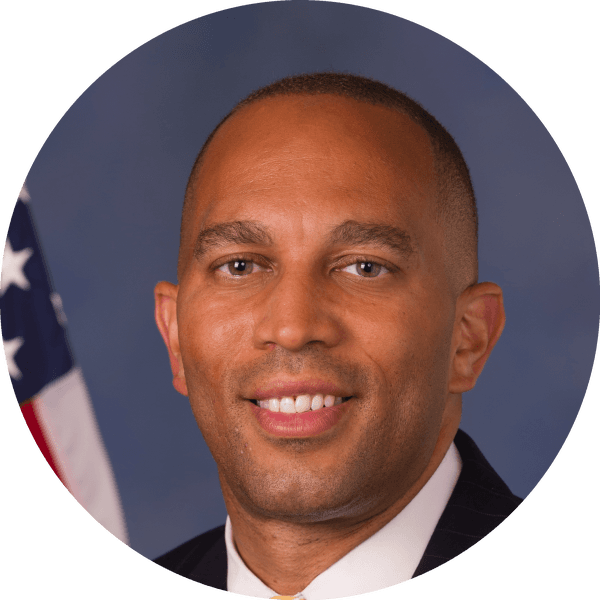

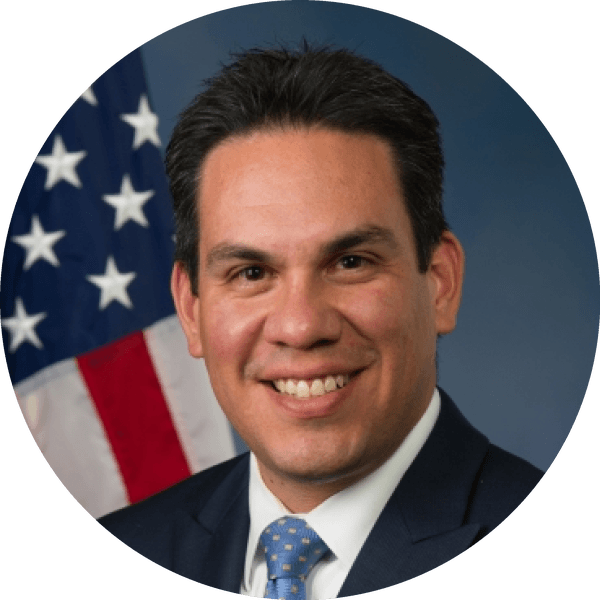

Referred to the House Committee on the Judiciary.
Mar 5, 2025
Washington, D.C. Admission Act


Referred to the Committee on Oversight and Government Reform, and in addition to the Committees on Rules, Armed Services, the Judiciary, and Energy and Commerce, for a period to be subsequently determined by the Speaker, in each case for consideration of such provisions as fall within the jurisdiction of the committee concerned.
Jan 3, 2025
Rights for the TSA Workforce Act





Referred to the Subcommittee on Transportation and Maritime Security.
Mar 11, 2025
DISCLOSE Act of 2026

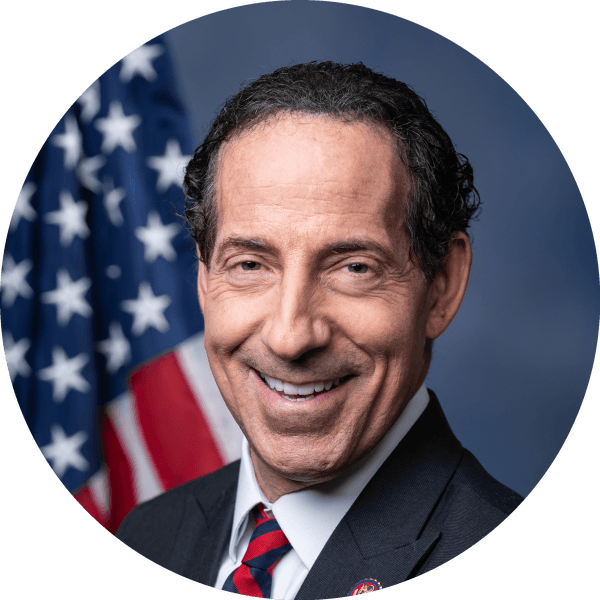
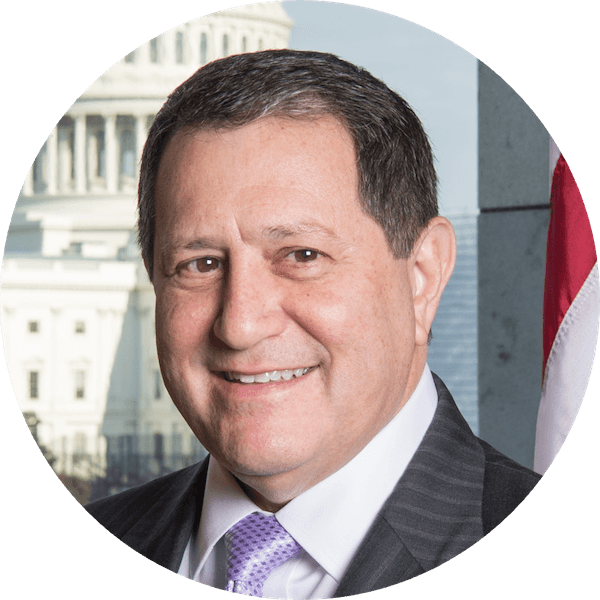


Referred to the Committee on House Administration, and in addition to the Committees on Ways and Means, and the Judiciary, for a period to be subsequently determined by the Speaker, in each case for consideration of such provisions as fall within the jurisdiction of the committee concerned.
Mar 4, 2026
Federal Retirement Fairness Act



ASSUMING FIRST SPONSORSHIP - Ms. Randall asked unanimous consent that she may hereafter be considered as the first sponsor of H.R. 1522, a bill originally introduced by Representative Connolly, for the purpose of adding cosponsors and requesting reprintings pursuant to clause 7 of rule XII. Agreed to without objection.
Jul 22, 2025
FIND Act





Referred to the House Committee on Oversight and Government Reform.
Jan 3, 2025
Fair Pay for Federal Contractors Act of 2025


Referred to the Committee on Appropriations, and in addition to the Committee on Oversight and Government Reform, for a period to be subsequently determined by the Speaker, in each case for consideration of such provisions as fall within the jurisdiction of the committee concerned.
Sep 30, 2025
Saving the Civil Service Act


ASSUMING FIRST SPONSORSHIP - Mr. Walkinshaw asked unanimous consent that he may hereafter be considered as the first sponsor of H.R. 492, a bill originally introduced by Representative Connolly, for the purpose of adding cosponsors and requesting reprintings pursuant to clause 7 of rule XII. Agreed to without objection.
Sep 16, 2025
Trending Right Now
Bills gaining momentum across Congress
America’s Olympic and Paralympic Games Commemorative Coins Act




Referred to the House Committee on Financial Services.
Jul 14, 2025
Fit to Serve Act




Referred to the House Committee on Armed Services.
May 21, 2025
ASAP Act



Ordered to be Reported in the Nature of a Substitute by the Yeas and Nays: 40 - 0.
Sep 16, 2026
Tracking Government Operations and Politics in Congress? Monitor bills, track cosponsor momentum, and launch advocacy campaigns — all from one advocacy platform.