H.R. 5296: BUILDS Act
Sponsor

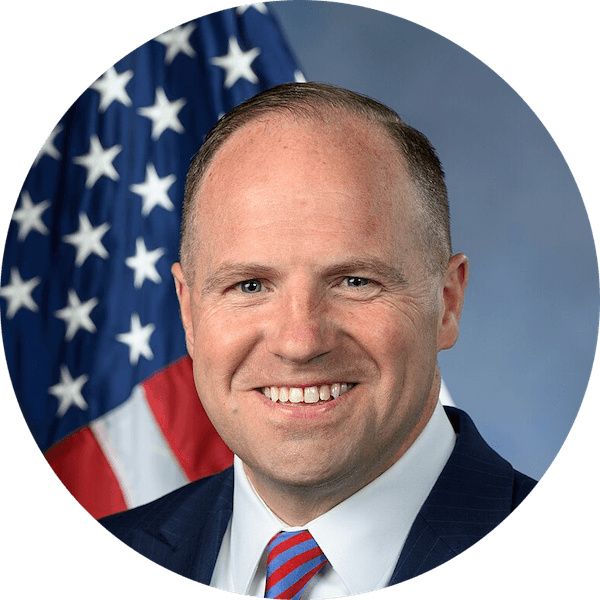
Suzanne Bonamici
Democrat · OR-1
Get paid while you train for an infrastructure job
Why it matters
H.R. 5296 would put $500 million a year — every year for five years — behind paid training for infrastructure jobs, covering wrap-around costs like child care and transportation and even paying participants' wages for their first six months on the job. The pitch from sponsors: employers building roads, power lines, and data centers say they can't find trained workers, so the bill pays to train them.
The BUILDS Act would have the Labor Department hand out competitive grants to local partnerships of employers, schools, unions, and workforce boards. Each partnership picks a targeted infrastructure industry — transportation, construction, energy, IT, or utilities — and builds a paid training pipeline into it.
The heart of it is "earn while you learn." Workers get paid work experience alongside classroom instruction, often through a registered apprenticeship, with an employer who intends to keep them on at the end.
For people facing the biggest hurdles, the bill requires at least 12 months of support. Before the job, that can mean skills training, child care, transportation, tools, and work attire. In the first six months on the job, partnerships can act as the employer of record and cover wages and benefits while mentorship and case management keep people from washing out.
Grants come in two sizes: implementation grants up to $2.5 million for new efforts, and renewal grants up to $1.5 million for ones that prove they can last. Partnerships report results to the Labor Secretary and their state's governor every year, broken out by race, ethnicity, sex, and age.
Bill Progress
Latest Action · Sep 11, 2025
Referred to the House Committee on Education and Workforce.
H.R. 5296 Bill Summary
What H.R. 5296 actually does.
Partnerships can earn up to $2.5 million to build a training pipeline
The Labor Secretary would award competitive implementation grants of up to $2,500,000, for up to 3 years, to partnerships serving a targeted infrastructure industry. The bill requires the awards to be spread across different regions of the country.
Renewal grants reward programs that prove they last
Existing grantees could win renewal grants of up to $1,500,000. The bill directs the Secretary to give priority to partnerships that show long-term staying power and chip in a non-federal share of the cost.
Wages covered for the first six months on the job
For workers facing barriers to employment, a partnership can serve as the employer of record and pay wages and benefits for up to 6 months of early employment, alongside mentorship, case management, and continued training.
At least a year of support around the job
Partnerships must provide support services for at least 12 months. Before employment that can include skills training, child care, transportation, tools, work attire, and job placement; once on the job it shifts to mentorship and retention help.
Planning money is capped to push programs into action fast
No more than $250,000 of an implementation grant can go toward first-year planning activities, and partnerships can spend no more than 5% of grant funds on administration.
Results reported by race, sex, and age
Starting one year after a grant, each partnership must report annually to the Labor Secretary and its state governor, evaluating outcomes broken out by race, ethnicity, sex, and age.
Who benefits from H.R. 5296?
People trying to break into a skilled trade
Workers facing barriers to employment get the most here: at least 12 months of support, paid work experience instead of unpaid training, and up to 6 months of covered wages and benefits while they find their footing on the job.
Employers building infrastructure
Companies in transportation, construction, energy, IT, and utilities get federally backed help registering apprenticeships, designing curricula, and recruiting a trained pipeline of workers for real projects in their region.
Community colleges, unions, and workforce boards
These groups can team up to compete for implementation grants up to $2.5 million and renewal grants up to $1.5 million, funding programs that pair classroom instruction with paid work leading to a real job.
People on unemployment
Applicants have to spell out how they'll reach unemployment-compensation recipients, routing people who are out of work toward paid training tied to infrastructure jobs.
Who is affected by H.R. 5296?
The Department of Labor
The Labor Secretary runs the grant competition in consultation with Transportation, Energy, Commerce, Education, and the Army Corps of Engineers, and can use up to 10% of each year's appropriation for administration, technical assistance, and oversight.
Grant-funded partnerships
Partnerships must name a single fiscal agent, submit detailed applications covering local labor markets and infrastructure projects, hold administrative costs to 5% of grant funds, and file annual reports starting a year after the award.
State governors
Every funded partnership sends its state's governor an annual report, giving states direct visibility into how grant-funded training is performing, including outcomes by race, ethnicity, sex, and age.
Workers in paid apprenticeships
Participants are funneled into work-based learning — paid work experience plus classroom instruction meant to lead to continuing employment, including registered apprenticeships.
Cost & Funding
Authorization
$500,000,000 per fiscal year
- Authorized for fiscal year 2026 and each of the next 4 fiscal years — about $2.5 billion over five years if fully appropriated.
- Implementation grants are capped at $2,500,000 and can run up to 3 years.
- Renewal grants are capped at $1,500,000.
- No more than $250,000 of an implementation grant can go to first-year planning.
- Partnerships can spend no more than 5% of grant funds on administration.
- The Labor Secretary can use no more than 10% of each year's appropriation for administration, technical assistance, and oversight.
HR5296 Legislative Journey
House: Committee Action
Sep 11, 2025
Referred to the House Committee on Education and Workforce.
About the Sponsor
Suzanne Bonamici
Democrat, Oregon's 1st congressional district · 14 years in Congress
Committees: Science, Space, and Technology, Education and Workforce
View full profile →
Cosponsors (2)
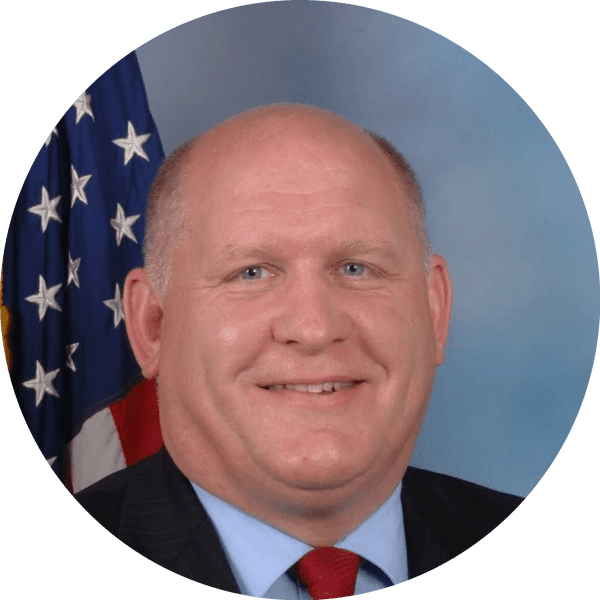
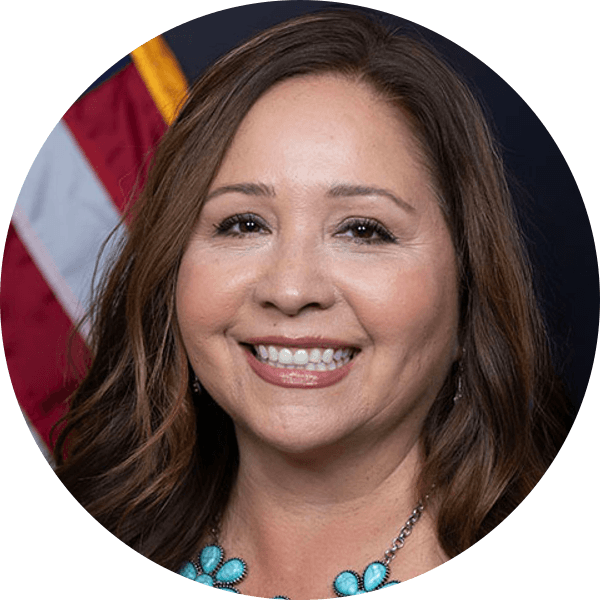
This bill has 2 cosponsors: 1 Democrat, 1 Republican, reflecting bipartisan support. Cosponsors represent 2 states: Arizona, Pennsylvania.
Committee Sponsors
Education and Workforce Committee
2 of 37 committee members cosponsored


15 Democrats across this committee haven't cosponsored yet. Mobilize their constituents
H.R. 5296 Quick Facts
- Committee
- Education and Workforce
- Chamber
- House
- Policy
- Labor and Employment
- Introduced
- Sep 11, 2025
Referred to the House Committee on Education and Workforce.
Sep 11, 2025
Official Sources
Official bill page with text, actions, sponsors, and status for the BUILDS Act.
The bill directs the Secretary of Labor to run the grant program, and ETA is the Labor Department component most closely tied to workforce training and employment programs.
The bill creates a competitive grant program administered by the Secretary of Labor; this is the Labor Department's central page for ETA grant opportunities.
The bill defines work-based learning to include registered apprenticeship and steers participants toward portable, recognized credentials earned through it.
Section 3 references the National Apprenticeship Act, the federal law (codified at 29 U.S.C. Chapter 4C) governing registered apprenticeship.
The bill repeatedly incorporates definitions from WIOA, including career pathway, local board, and barrier to employment.
H.R. 5296 Common Questions
How much money does the BUILDS Act put into infrastructure job training?
It authorizes $500 million a year for fiscal year 2026 and the next four years — about $2.5 billion over five years if Congress appropriates the full amount.
Do you get paid while you train under the BUILDS Act?
Yes. The bill funds paid work experience alongside classroom instruction. For workers facing barriers to employment, a partnership can even act as your employer and cover wages and benefits for the first six months on the job.
Which industries does the BUILDS Act cover?
Each grant targets one infrastructure industry: transportation, construction, energy (including renewables and battery storage), information technology, or utilities.
How much can an organization win in a BUILDS Act grant?
New programs can get an implementation grant up to $2,500,000 for as long as three years. Programs that prove they can last can win renewal grants up to $1,500,000.
What kind of support does the BUILDS Act offer workers who face barriers?
At least 12 months of it. Before the job that can mean skills training, child care, transportation, tools, and work attire; on the job it shifts to mentorship, case management, and up to six months of covered wages.
Who runs the BUILDS Act grant program?
The Secretary of Labor, in consultation with the Departments of Transportation, Energy, Commerce, Education, and the Army Corps of Engineers. The Labor Department awards the grants competitively and spreads them across different regions.
What credential do you earn through a BUILDS Act program?
Programs must lead to a nationally portable, recognized postsecondary credential tied to the industry — often a registered apprenticeship — unless the Labor Secretary approves an alternative.
Has the BUILDS Act passed?
Not yet. It was introduced in September 2025 and referred to the House Education and Workforce Committee. It's sponsored by Rep. Suzanne Bonamici (D-OR) with one Republican cosponsor, Rep. Glenn Thompson (R-PA).
Based on H.R. 5296 bill text
H.R. 5296 Bill Text
“To require the Secretary of Labor to award grants for promoting industry or sector partnerships to encourage industry growth and competitiveness and to improve worker training, retention, and advancement as part of an infrastructure investment.”
Source: U.S. Government Publishing Office
Get notified when H.R. 5296 moves
Committee votes, floor action, cosponsor changes — straight to your inbox.
Bill alerts + Legisletter's monthly briefing. Unsubscribe anytime.
Labor and Employment Bills
9 related bills we're tracking
Protect America's Workforce Act

Received in the Senate.
Dec 15, 2025
Paycheck Fairness Act




Referred to the Committee on Education and Workforce, and in addition to the Committee on Oversight and Government Reform, for a period to be subsequently determined by the Speaker, in each case for consideration of such provisions as fall within the jurisdiction of the committee concerned.
Mar 25, 2025
Richard L. Trumka Protecting the Right to Organize Act of 2025



Referred to the House Committee on Education and Workforce.
Mar 5, 2025
FAMILY Act
Referred to the House Committee on Ways and Means.
Sep 16, 2025
Public Service Freedom to Negotiate Act of 2025


Referred to the House Committee on Education and Workforce.
Apr 8, 2025
Raise the Wage Act of 2025


Referred to the House Committee on Education and Workforce.
Apr 8, 2025
American Franchise Act




Placed on the Union Calendar, Calendar No. 702.
Sep 8, 2026
Healthy Families Act


Referred to the Committee on Education and Workforce, and in addition to the Committees on House Administration, and Oversight and Government Reform, for a period to be subsequently determined by the Speaker, in each case for consideration of such provisions as fall within the jurisdiction of the committee concerned.
Feb 12, 2026
Asunción Valdivia Heat Illness, Injury, and Fatality Prevention Act of 2025


Referred to the House Committee on Education and Workforce.
Jul 16, 2025
Trending Right Now
Bills gaining momentum across Congress
America’s Olympic and Paralympic Games Commemorative Coins Act




Referred to the House Committee on Financial Services.
Jul 14, 2025
Fit to Serve Act


Referred to the House Committee on Armed Services.
May 21, 2025
ASAP Act



Ordered to be Reported in the Nature of a Substitute by the Yeas and Nays: 40 - 0.
Sep 16, 2026
Tracking Labor and Employment in Congress? Monitor bills, track cosponsor momentum, and launch advocacy campaigns — all from one advocacy platform.