H.R. 4113: Frederick Douglass Trafficking Victims Prevention and Protection Reauthorization Act of 2025
Sponsor
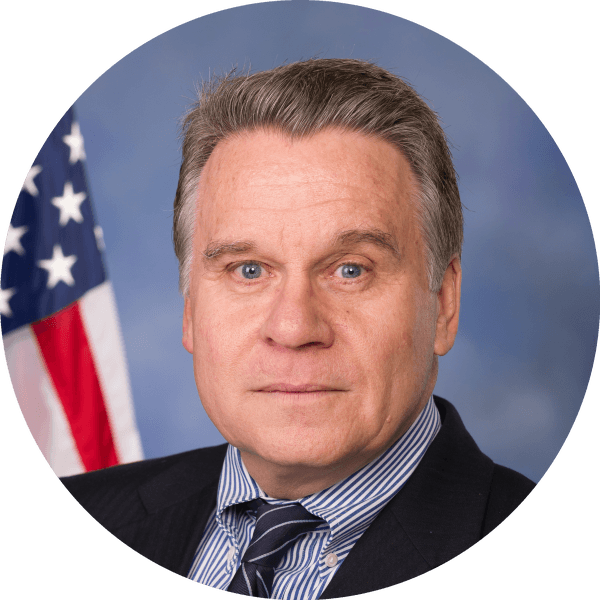
Christopher Smith
Republican · NJ-4
Restarting the anti-slavery grants that lapsed in 2020
Why it matters
The bill puts up to $111 million a year behind U.S. anti-trafficking efforts through 2029, renewing spending authority that had run out. It also overhauls how foreign governments are ranked, orders American disaster aid to guard against traffickers, and requires the annual trafficking report to start tracking organ harvesting.
H.R. 4113 is a reauthorization — its main job is to keep existing anti-trafficking programs alive and tune how they work. The headline money item: the Program to End Modern Slavery, whose authorization expired back in 2020, gets extended through 2029, with its grants required to be awarded competitively and run through the normal congressional notification process.
It also rewrites how the U.S. grades foreign governments. The old "special watch list" becomes the "Tier 2 watch list" throughout the law. A country lands there if its estimated victim count is very significant or climbing without matching action, or if it can't show growing efforts — more investigations, prosecutions, convictions, and victim assistance, plus less government complicity. Stay on that list more than two years straight after repeatedly meeting those triggers, and the country can be downgraded.
A separate piece targets foreign aid itself. The President would have to ensure U.S. assistance doesn't create conditions that fuel trafficking among people left vulnerable by natural or manmade disasters, and build protections into how programs are planned and carried out.
The bill also spells out what counts as "nonhumanitarian, nontrade-related foreign assistance" — the category that can be withheld from central governments that fall short of minimum anti-trafficking standards. That definition carves out narcotics and law enforcement aid, disaster relief, antiterrorism aid, health programs, Food for Peace, refugee and migration assistance, and certain nonprofit or international-organization programs. The President has to flag any additional exempted aid by October 1 each year.
Finally, the bill expands reporting. The annual Trafficking in Persons report would have to cover trafficking for organ removal, and a printed hard copy of that report would have to be available to the public. The office's director would formally report to the Secretary of State. On the money: $23,092,000 a year and another $111,000,000 a year are authorized for fiscal years 2025 through 2029, with the modern slavery program capped at $37,500,000 a year.
Bill Progress
Latest Action · Jun 24, 2025
Referred to the House Committee on Foreign Affairs.
H.R. 4113 Bill Summary
What H.R. 4113 actually does.
Modern slavery grants revived through 2029
Extends the Program to End Modern Slavery, whose authorization had expired in 2020, through 2029. Grants must be awarded competitively and go through regular congressional notification, with progress reports due by September 30, 2025, and September 30, 2029.
Watch list renamed, with a tougher downgrade clock
Renames the "special watch list" as the "Tier 2 watch list" across the law. Countries can be listed when victim numbers are very significant or rising without proportional action, or when they fail to show growing investigations, prosecutions, convictions, and victim aid. A country on the list more than 2 years straight after consecutively meeting the criteria can be downgraded.
Disaster aid must guard against traffickers
Directs the President to ensure U.S. foreign assistance doesn't create conditions that increase trafficking among people in heightened vulnerability after natural or manmade disasters, and to build protections into both the planning and execution of aid programs.
Aid can be withheld from governments that fall short
Clarifies what counts as "nonhumanitarian, nontrade-related foreign assistance" that can be withheld from central governments that don't meet minimum standards. The definition exempts categories like narcotics and law enforcement aid, disaster relief, health programs, and refugee assistance, and the President must identify any added exemptions by October 1 each year.
Trafficking report must now cover organ harvesting
Requires the annual Trafficking in Persons report to include trafficking for the purpose of organ removal, including specific cases and the steps governments take to prevent, identify, and eliminate it. This change takes effect at the start of the first full reporting period after enactment.
$23 million and $111 million a year through 2029
Authorizes $23,092,000 a year for the main trafficking office and $111,000,000 a year for related programs, each for fiscal years 2025 through 2029, and caps the Program to End Modern Slavery at $37,500,000 a year.
Who benefits from H.R. 4113?
Trafficking survivors and at-risk people abroad
Anti-trafficking programs keep running through 2029, including grants under the Program to End Modern Slavery and the broader $23 million and $111 million annual authorizations that pay for prevention, prosecution, and victim assistance.
People displaced by natural or manmade disasters
The bill specifically directs U.S. aid to avoid creating conditions that increase trafficking for people left vulnerable after disasters, with protections built into how programs are planned and run.
Researchers, journalists, and the public
A printed hard copy of the annual Trafficking in Persons report has to be made available to the public, and the report would newly cover organ-removal trafficking — giving advocates and reporters more to work with.
Organizations competing for anti-slavery grants
Grants under the modern slavery program must be awarded competitively, with the program authorized through 2029 and annual funding capped at $37,500,000.
Who is affected by H.R. 4113?
Foreign governments with weak anti-trafficking records
They can lose nonhumanitarian, nontrade-related foreign assistance and exchange-program funding if they don't meet minimum standards or make significant efforts to comply.
Countries placed on the Tier 2 watch list
They're judged under updated criteria centered on victim numbers and whether the government is increasing investigations, prosecutions, convictions, and victim aid. Staying on the list more than 2 years after consecutively meeting the criteria can lead to a downgrade.
The State Department's anti-trafficking office
Its director would formally report to the Secretary of State, and the office would have to support expanded annual reporting, including the new section on organ-removal trafficking.
U.S. foreign assistance agencies and their partners
They'd have to screen programs so aid doesn't worsen trafficking after disasters, apply the clarified definition of withheld assistance, and track the exemptions the President sets by October 1 each year.
Cost & Funding
Authorization
$23,092,000 for each fiscal year 2025 through 2029; $111,000,000 for each fiscal year 2025 through 2029; Programs to End Modern Slavery capped at $37,500,000 per fiscal year
- Authorizes $23,092,000 a year for fiscal years 2025 through 2029.
- Authorizes $111,000,000 a year for fiscal years 2025 through 2029 for related programs.
- Caps the Program to End Modern Slavery at $37,500,000 per fiscal year.
- Extends the Program to End Modern Slavery authorization, which had expired in 2020, through 2029.
HR4113 Legislative Journey
House: Committee Action
Jun 24, 2025
Referred to the House Committee on Foreign Affairs.
About the Sponsor
Christopher Smith
Republican, New Jersey's 4th congressional district · 45 years in Congress
Committees: Foreign Affairs
View full profile →
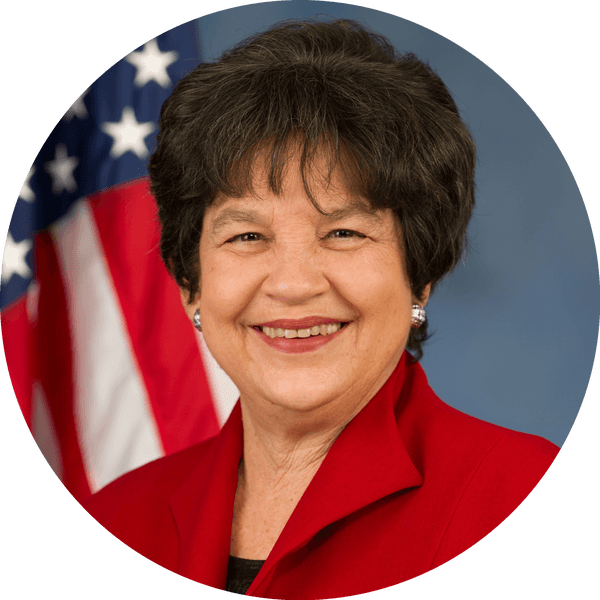
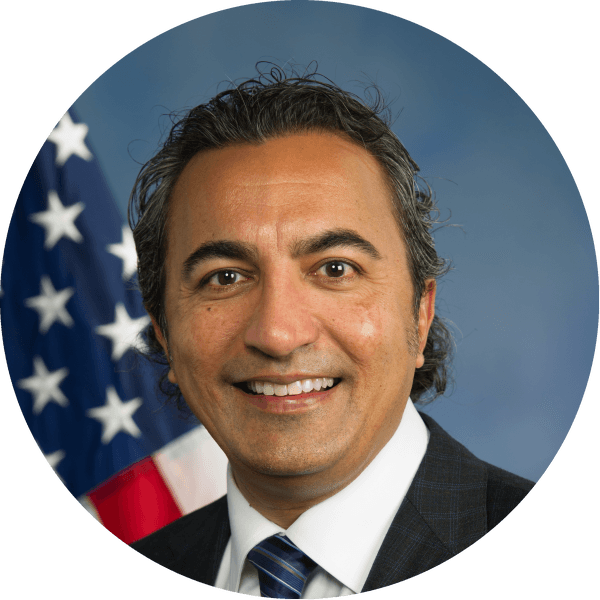
Cosponsors (2)
This bill has 2 cosponsors: 1 Democrat, 1 Republican, reflecting bipartisan support. Cosponsors represent 2 states: Florida, Maryland.
Committee Sponsors
Foreign Affairs Committee
2 of 53 committee members cosponsored


27 Republicans across this committee haven't cosponsored yet. Mobilize their constituents
What laws does H.R. 4113 change?
2 changes
Sections Amended
Section 103(10) of Trafficking Victims Protection Act of 2000 (22 U.S.C. 7102(10))
read as follows: ``(10) Nonhumanitarian, nontrade-related foreign assistance
Section 110(b) of Trafficking Victims Protection Act of 2000 (22 U.S.C. 7107(b)) is made available to the public.''. SEC. 10. DIRECTOR OF OFFICE TO MONITOR AND COMBAT TRAFFICKING REPORTING TO SECRETARY. Section 105(e)(1) of the Victims of Trafficking and Violence Protection Act of 2000 (22 U.S.C. 7103(e)(1))
inserting ``shall report to the Secretary of State and'' before ``shall have the primary''
H.R. 4113 Quick Facts
- Committee
- Foreign Affairs
- Chamber
- House
- Policy
- International Affairs
- Introduced
- Jun 24, 2025
Referred to the House Committee on Foreign Affairs.
Jun 24, 2025
Official Sources
Official bill page with status, text, actions, and amendments for the Frederick Douglass Trafficking Victims Prevention and Protection Reauthorization Act of 2025.
The bill updates annual TIP report requirements, including organ-removal trafficking and public availability of printed copies.
This is the State Department office directly affected by the bill's reporting and oversight changes.
Section 5 amends the Foreign Assistance Act to require anti-trafficking protections in disaster-related development and assistance policy.
The bill reauthorizes and amends the Trafficking Victims Protection Act, including Tier 2 watch list and aid restriction provisions.
This statute section covers minimum standards, country tier determinations, and foreign assistance consequences that HR 4113 revises.
HR 4113 makes conforming amendments to the Frederick Douglass Trafficking Victims Prevention and Protection Reauthorization Act of 2018.
H.R. 4113 Common Questions
How much anti-trafficking funding does H.R. 4113 authorize through 2029?
The bill authorizes $23,092,000 a year for the main trafficking office and $111,000,000 a year for related programs, both for fiscal years 2025 through 2029.
What's the funding cap for the Program to End Modern Slavery?
No more than $37,500,000 a year can go to the Program to End Modern Slavery. The bill also extends that program's authorization, which had run only through 2020, out to 2029.
What changed about the Tier 2 watch list under H.R. 4113?
The bill renames the old "special watch list" as the "Tier 2 watch list" across the law and updates the criteria — focusing on whether victim numbers are very significant or rising and whether a government is actually increasing investigations, prosecutions, and victim aid.
Can a country be downgraded after 2 years on the Tier 2 watch list?
Yes. A country that stays on the Tier 2 watch list for more than 2 years straight after consecutively meeting the listing criteria can be downgraded to the lowest tier.
Does H.R. 4113 require foreign disaster aid to reduce trafficking risk?
Yes. It directs the President to make sure U.S. aid doesn't create conditions that increase trafficking among people left vulnerable by natural or manmade disasters, and to build protections into how programs are planned and run.
Does the annual trafficking report now have to cover organ harvesting?
Yes. The annual Trafficking in Persons report would have to cover trafficking for organ removal, including specific cases and what governments are doing to prevent, identify, and eliminate it.
Which foreign aid programs are exempt from trafficking-related cuts under H.R. 4113?
Exemptions include narcotics and law enforcement aid, disaster relief, antiterrorism aid, health programs, Food for Peace, refugee and migration aid, and certain programs run through nonprofits or international organizations.
Can the public get a printed copy of the annual Trafficking in Persons report?
Yes. The State Department would have to make a printed hard copy of the annual Trafficking in Persons report available to the public, not just a digital version.
Based on H.R. 4113 bill text
H.R. 4113 Bill Text
“To reauthorize the Trafficking Victims Protection Act of 2000, and for other purposes.”
Source: U.S. Government Publishing Office
Get notified when H.R. 4113 moves
Committee votes, floor action, cosponsor changes — straight to your inbox.
Bill alerts + Legisletter's monthly briefing. Unsubscribe anytime.
International Affairs Bills
9 related bills we're tracking
Enhanced Iran Sanctions Act of 2025

Motion to place bill on Consensus Calendar filed by Mr. Lawler.
Jan 12, 2026
United States-Israel Defense Partnership Act of 2025

Referred to the Committee on Armed Services, and in addition to the Committee on Foreign Affairs, for a period to be subsequently determined by the Speaker, in each case for consideration of such provisions as fall within the jurisdiction of the committee concerned.
Feb 12, 2025
West Bank Violence Prevention Act of 2025

Referred to the Committee on Foreign Affairs, and in addition to the Committee on the Judiciary, for a period to be subsequently determined by the Speaker, in each case for consideration of such provisions as fall within the jurisdiction of the committee concerned.
Apr 28, 2025
Global Respect Act



Referred to the Committee on Foreign Affairs, and in addition to the Committee on the Judiciary, for a period to be subsequently determined by the Speaker, in each case for consideration of such provisions as fall within the jurisdiction of the committee concerned.
Nov 19, 2025
Sanctioning Russia Act of 2025

Referred to the Committee on Foreign Affairs, and in addition to the Committees on the Judiciary, Financial Services, Ways and Means, and Oversight and Government Reform, for a period to be subsequently determined by the Speaker, in each case for consideration of such provisions as fall within the jurisdiction of the committee concerned.
Apr 1, 2025
International Human Rights Defense Act of 2025


Referred to the House Committee on Foreign Affairs.
Nov 17, 2025
Global Health, Empowerment and Rights Act



Referred to the House Committee on Foreign Affairs.
Jan 28, 2025
Pakistan Freedom and Accountability Act

Referred to the Committee on Foreign Affairs, and in addition to the Committee on the Judiciary, for a period to be subsequently determined by the Speaker, in each case for consideration of such provisions as fall within the jurisdiction of the committee concerned.
Sep 10, 2025
Baltic Security Assessment Act of 2025




Ordered to be Reported by the Yeas and Nays: 41 - 3.
Apr 22, 2026
Trending Right Now
Bills gaining momentum across Congress
America’s Olympic and Paralympic Games Commemorative Coins Act

Referred to the House Committee on Financial Services.
Jul 14, 2025
Fit to Serve Act
Referred to the House Committee on Armed Services.
May 21, 2025
ASAP Act

Ordered to be Reported in the Nature of a Substitute by the Yeas and Nays: 40 - 0.
Sep 16, 2026
Tracking International Affairs in Congress? Monitor bills, track cosponsor momentum, and launch advocacy campaigns — all from one advocacy platform.