Mr. Speaker, H.R. 3903 aligns Federal surface and subsurface ownership of conservation lands while resolving a decades- old program by authorizing a land exchange between the Chugach Alaska Corporation and the Federal Government. Mr. Speaker, I urge passage of the bill, and I yield back the balance of my time.
H.R. 3903: Chugach Alaska Land Exchange Oil Spill Recovery Act of 2025
Introduced Jun 11, 20251 cosponsors
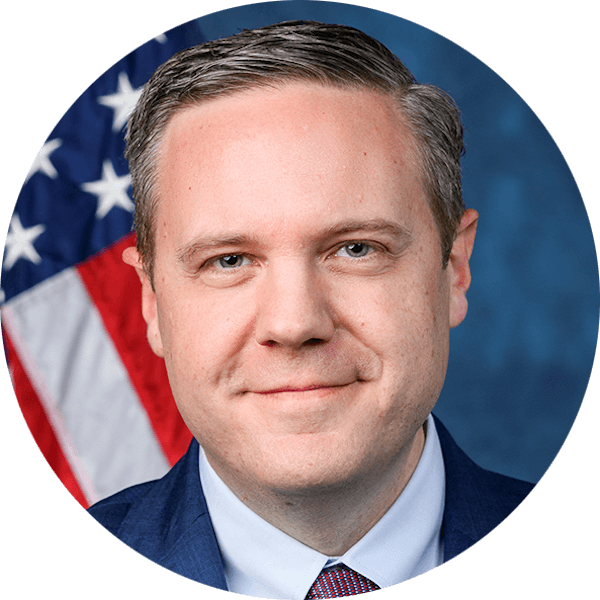
Sponsor

Nicholas Begich
Republican · AK
Finishing a land cleanup the Exxon Valdez spill left behind
4 min readLast updated June 15, 2026
Why it matters
After the 1989 Exxon Valdez spill, the government and the State of Alaska bought up wildlife habitat to protect it — but Chugach Alaska Corporation still owned the minerals buried underneath much of it. H.R. 3903 trades those roughly 231,000 subsurface acres for about 65,374 acres of federal land, putting the protected conservation lands under single ownership. The House passed it by voice vote in March 2026, and it's now in the Senate.
H.R. 3903 sets up a straight swap. If Chugach Alaska offers to hand over all of its rights to roughly 231,000 acres of subsurface land, the Interior Department must accept and, in return, convey about 65,374 acres of federal land in the Chugach region to the corporation. The whole exchange has to happen within one year of the bill becoming law.
The point is to fix a split-estate problem. In many spots, the United States or the State of Alaska owns the surface — bought to protect habitat after Exxon Valdez — while Chugach owns the minerals and everything else below ground. Two owners stacked on the same piece of land makes conservation management messy. The bill lets the federal government bring the surface and subsurface under one owner, and gives Chugach cleaner parcels it can use without a federal landlord above it.
This isn't a free-form trade. The specific parcels come from the Chugach Region Land Study Report that Congress ordered in the 2019 Dingell Act. The federal land going to Chugach includes Forest Service, Bureau of Land Management, and National Park Service parcels — places like Drier Bay, Snow River, and Hinchinbrook Island. Existing easements, rights-of-way, and third-party rights stay in place, and the bill carves out up to 209 acres where a village corporation kept development rights or land is set aside for shareholder homesites.
The Interior Department backed the bill's intent in congressional testimony while flagging technical concerns about parcels that weren't in the original land study. Supporters frame it as finishing unfinished business from the spill recovery era. The open questions, as with any federal land transfer, are whether the acreage trades fairly on both sides and how public access plays out parcel by parcel.
Bill Progress
IntroducedJun 11
Committee
Pass HouseMar 3
Pass Senate
Signed
Law
Latest Action · Mar 4, 2026
1/2
Passed the House, received in Senate
H.R. 3903 Bill Summary
What H.R. 3903 actually does.
1
The swap has a one-year deadline
Once Chugach Alaska offers to convey all of its qualifying subsurface rights, the Interior Secretary must accept and complete the exchange within one year of the bill becoming law.
2
Chugach gets about 65,374 acres of federal land
The bill conveys specific parcels in the Chugach region managed by the Forest Service, Bureau of Land Management, and National Park Service, including Drier Bay, Snow River, and Hinchinbrook Island.
3
The government takes back 231,000 acres of subsurface rights
Chugach would transfer the mineral and subsurface estate beneath lands whose surface was already acquired or protected through the Exxon Valdez habitat recovery program.
4
Protected lands get a single owner
By combining the surface and subsurface estates under federal control, the bill lets agencies manage these conservation lands as one unit instead of negotiating with a separate mineral owner.
5
Existing public access and rights stay in place
The exchange remains subject to required public easements under Alaska Native Claims Settlement Act rules, plus any valid existing rights, rights-of-way, and third-party encumbrances.
6
A 209-acre carve-out for village and shareholder land
Chugach must keep out of the trade up to 209 acres where a village corporation retained non-timber development rights or land is designated for a shareholder homesite program.
Who benefits from H.R. 3903?
Chugach Alaska Corporation
It receives federal land that may be easier to manage and develop than scattered subsurface rights beneath protected lands.
Federal land managers
They gain clearer ownership of conservation lands by unifying surface and subsurface control, which can simplify habitat management and planning.
Conservation programs in the Chugach region
Protected lands linked to Exxon Valdez recovery could be managed with fewer ownership conflicts and fewer complications over mineral rights.
Local communities and land users
They may benefit from clearer land status, better-defined access routes, and fewer long-running disputes over who controls what.
Who is affected by H.R. 3903?
Alaska Native communities in the Chugach region
The bill affects Native corporate land holdings and could shape local economic opportunities, land use, and stewardship decisions.
Hunters, anglers, and recreation users
They could see changes in who manages certain lands, though public easements are preserved and access questions may still depend on parcel-specific rules.
State of Alaska
The state is affected because some of the surface lands involved were acquired by the state with federal conservation easements under the oil spill recovery program.
Environmental and public lands groups
They are likely to scrutinize whether transferring federal acreage out of public ownership changes conservation outcomes or public use over time.
On the Record
What Congress Is Saying
H.R. 3903 has come up 11 times in the Congressional Record so far.
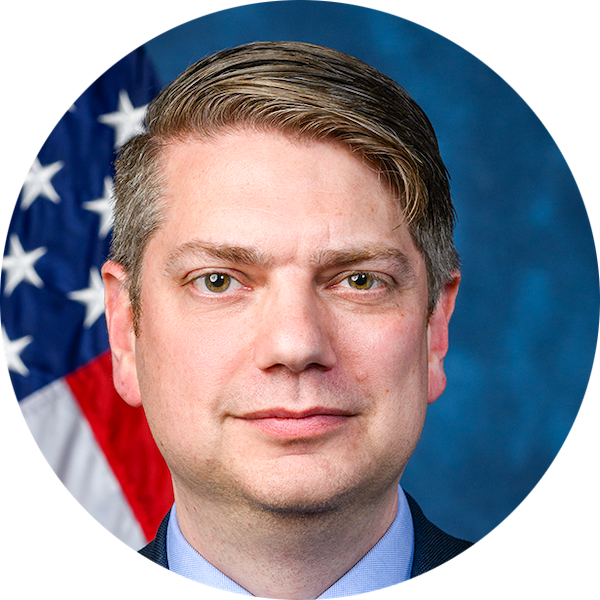
Mr. Speaker, I rise today in support of H.R. 3903, the Chugach Alaska Land Exchange Oil Spill Recovery Act, a bill I introduced to right a historic wrong that has gone unresolved for more than three decades. Nearly 40 years ago, an oil tanker ran aground in Prince William Sound, spilling over 11 million gallons of crude oil across 1,300 miles of pristine Alaskan coastline. In the aftermath, the Federal Government used settlement funds to acquire roughly 231,000 acres of surface land for conservation, but it never acquired the subsurface rights underneath.
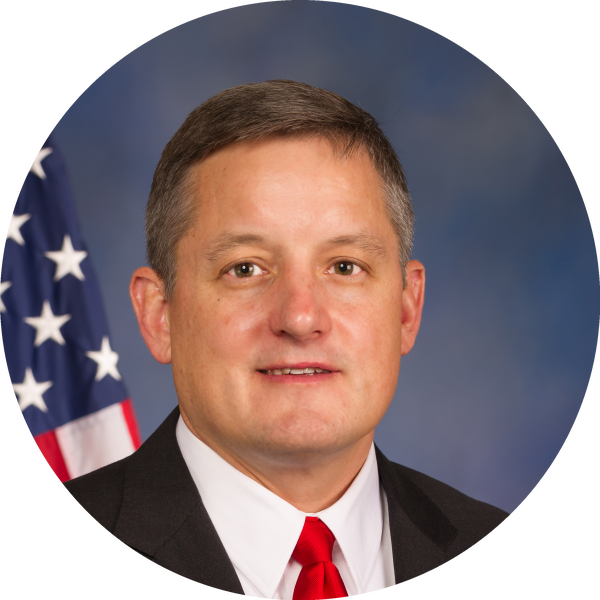
Mr. Speaker, I rise in support of H.R. 3903, a bill to address the longstanding split-estate challenges in the Chugach region of Alaska. Under the Alaska Native Claims Settlement Act, Alaska Native corporations, including the Chugach Alaska Corporation, were promised lands of cultural and economic importance. However, Chugach only received a fraction of their traditional lands along with the subsurface rights beneath lands conveyed to the village corporations.
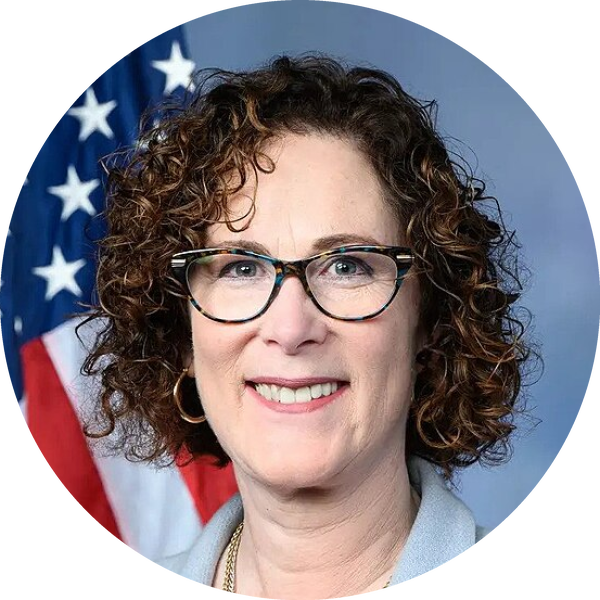
H.R. 3903 also appeared in 3 routine cosponsor filings.
HR3903 Legislative Journey
Sent to Senate
Mar 4, 2026
Received in the Senate.
House: Vote: 2349-2351
Mar 3, 2026
On motion to suspend the rules and pass the bill, as amended Agreed to by voice vote. (text: CR H2349-2351)
House: Committee Action
Jan 14, 2026
Reported (Amended) by the Committee on Natural Resources. H. Rept. 119-451.
House: Passed Committee
Nov 20, 2025
Ordered to be Reported in the Nature of a Substitute (Amended) by Unanimous Consent.
+2 more actions this day
House: Committee Action
Sep 9, 2025
Subcommittee Hearings Held
House: Committee Action
Sep 4, 2025
Referred to the Subcommittee on Indian and Insular Affairs.
House: Committee Action
Jun 11, 2025
Referred to the House Committee on Natural Resources.
About the Sponsor
Nicholas Begich
Republican, Alaska · 1 years in Congress
Committees: Science, Space, and Technology, Natural Resources, Transportation and Infrastructure
View full profile →
Cosponsors (1)
This bill has 1 cosponsor: 1 Republican. Cosponsors represent 1 state: Colorado.
1Republican·1 state
Committee Sponsors

24 Republicans across this committee haven't cosponsored yet. Mobilize their constituents
H.R. 3903 Quick Facts
Cosponsors
1
- Committee
- Natural Resources
- Chamber
- House
- Policy
- Native Americans
- Introduced
- Jun 11, 2025
Passed the House, received in Senate
Mar 4, 2026
Official Sources
Interior Department Testimony on H.R. 3903
The Department of the Interior's official statement supporting the bill's intent while raising technical concerns about parcels not identified in the Chugach Region Land Study.
BLM Statement for the Record on H.R. 3903
Bureau of Land Management's congressional testimony on the proposed Chugach land exchange, submitted to the House Subcommittee on Indian and Insular Affairs on September 9, 2025.
H. Rept. 119-451 — Committee Report
House Natural Resources Committee report recommending passage of H.R. 3903 as amended, filed January 14, 2026.
ANCSA Program — Bureau of Indian Affairs
BIA program administering Alaska Native Claims Settlement Act land conveyances — the same legal framework that governs how land transferred to Chugach Alaska under this bill would be treated.
Alaska Native Claims Settlement Act — DOI Overview
Interior Department overview of the 1971 ANCSA law that settled aboriginal land claims and created Alaska Native regional corporations including Chugach Alaska Corporation.
NOAA: Exxon Valdez Oil Spill
NOAA's comprehensive resource on the 1989 Exxon Valdez disaster in Prince William Sound — the oil spill whose settlement created the habitat protection program that produced the split-estate ownership this bill aims to resolve.
BLM Chugach Region Land Study — Interactive Map
GIS map layers from the Chugach Region Land Study required by the 2019 Dingell Act, showing split-estate ownership patterns and potential exchange parcels identified by BLM, NPS, and Forest Service.
BLM Alaska — Land Management Overview
BLM Alaska manages over 70 million surface acres and 220 million subsurface acres — including parcels in the Chugach region that would be conveyed to Chugach Alaska Corporation under this exchange.
Who is lobbying on H.R. 3903?
1 organization lobbying on this bill
Total filings: 3
CHENEGA CORPORATION | 3 |
Showing 1-1 of 1 organizations
H.R. 3903 Common Questions
What does H.R. 3903 actually trade?
Chugach Alaska Corporation hands over about 231,000 acres of subsurface rights it owns under protected land, and the federal government gives Chugach about 65,374 acres of federal land in return. The whole swap has to close within one year of the bill becoming law.
Why does Chugach own minerals under land it doesn't own on top?
After the 1989 Exxon Valdez spill, the government and Alaska bought up surface habitat to protect it but never acquired the subsurface estate underneath. Chugach kept those mineral rights, leaving two owners stacked on the same land. The bill consolidates them.
Which federal lands does Chugach get in the deal?
Forest Service, Bureau of Land Management, and National Park Service parcels in the Chugach region — including Drier Bay, Snow River, Hinchinbrook Island, Martin River, Johnson River, Taan Fjord, and Thompson Pass. The Forest Service piece alone is roughly 63,414 acres.
Will public access to these lands change?
The bill keeps existing public easements, valid existing rights, rights-of-way, and other third-party rights in place. How access works on the parcels Chugach receives can still depend on the specific land, so the easements are the floor, not the full picture.
Can Chugach keep any land out of the trade?
Yes. The bill makes Chugach exclude up to 209 acres where a village corporation kept development rights other than timber, or where land is set aside for a shareholder homesite program.
What status does the federal land have once Chugach owns it?
It's treated as land conveyed under the Alaska Native Claims Settlement Act — the same 1971 law that created Chugach and the other Alaska Native regional corporations. That defines how the land is held going forward.
Did the Interior Department support the bill?
In congressional testimony, Interior backed the goal of consolidating ownership of the protected lands but flagged technical concerns — mainly that some parcels in the swap weren't part of the original Chugach Region Land Study that Congress ordered.
Where does H.R. 3903 stand now?
The House passed it by voice vote on March 3, 2026, and it was received in the Senate the next day. It now needs Senate action before it can become law.
Based on H.R. 3903 bill text
H.R. 3903 Bill Text
“To exchange non-Federal land held by the Chugach Alaska Corporation for certain Federal Land in the Chugach Region, and for other purposes.”
Source: U.S. Government Publishing Office
Bill Alerts
Get notified when H.R. 3903 moves
Committee votes, floor action, cosponsor changes — straight to your inbox.
Bill alerts + Legisletter's monthly briefing. Unsubscribe anytime.
Native Americans Bills
9 related bills we're tracking
H.R. 2130
Tribal Trust Land Homeownership Act of 2025

Dusty JohnsonR-SD
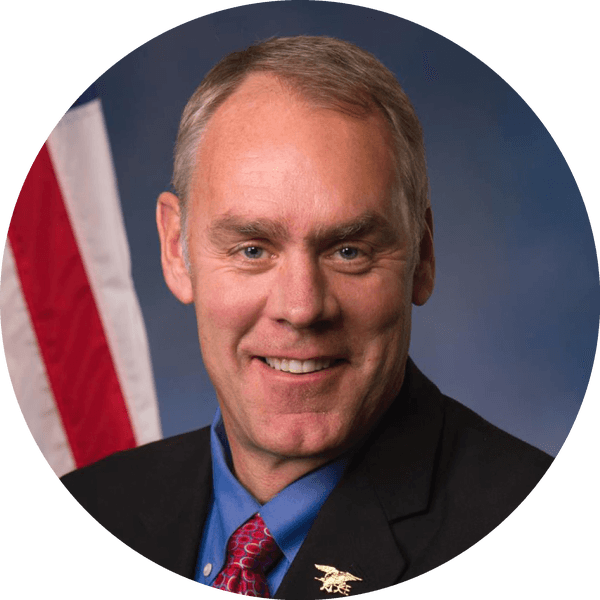
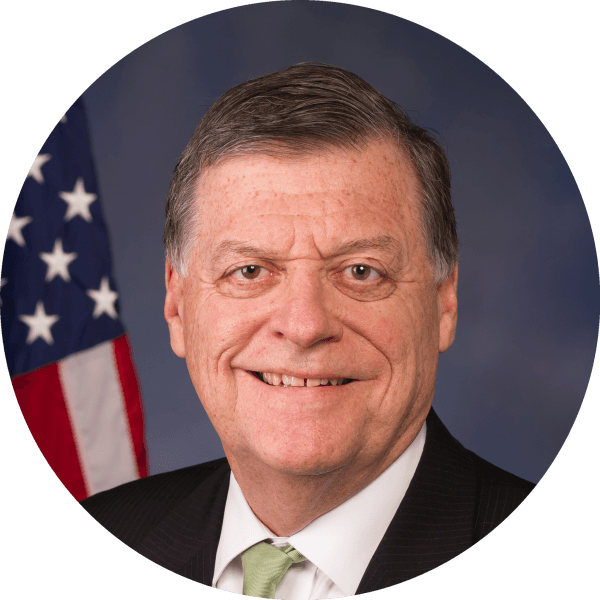


+3
7 cosponsors
Placed on the Union Calendar, Calendar No. 439.
Feb 23, 2026
HouseNative Americans
H.R. 5488
Special Diabetes Program for Indians Reauthorization Act of 2025
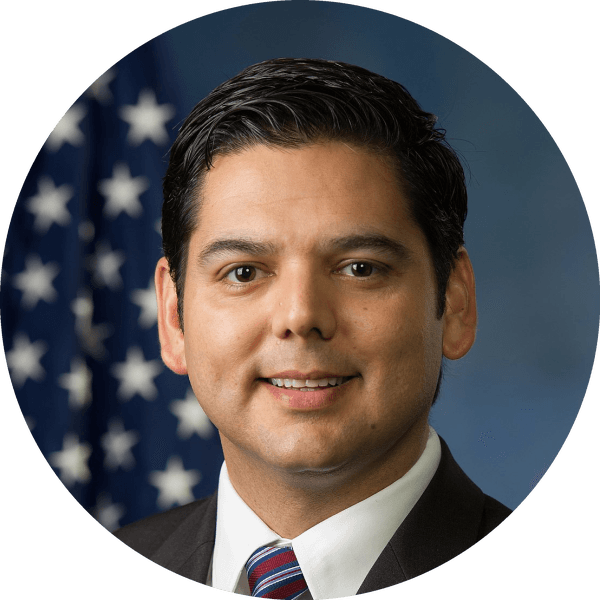
Raul RuizD-CA
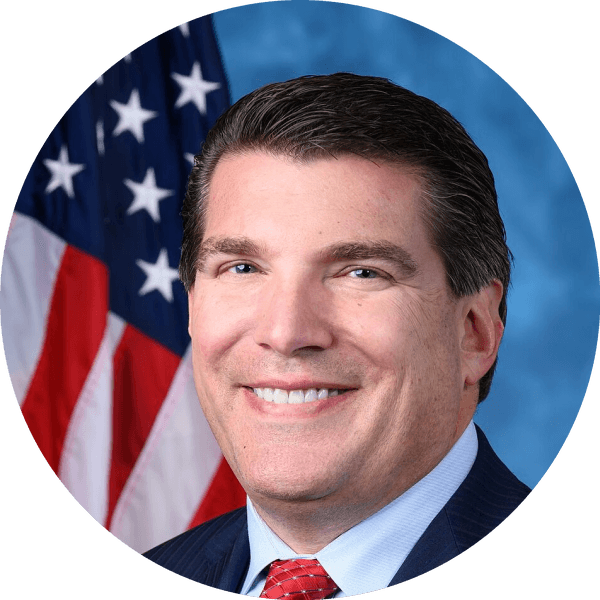

+2
6 cosponsors
Referred to the House Committee on Energy and Commerce.
Sep 18, 2025
HouseNative Americans
H.R. 5910
To authorize leases of up to 99 years for land held in trust for federally recognized Indian Tribes.
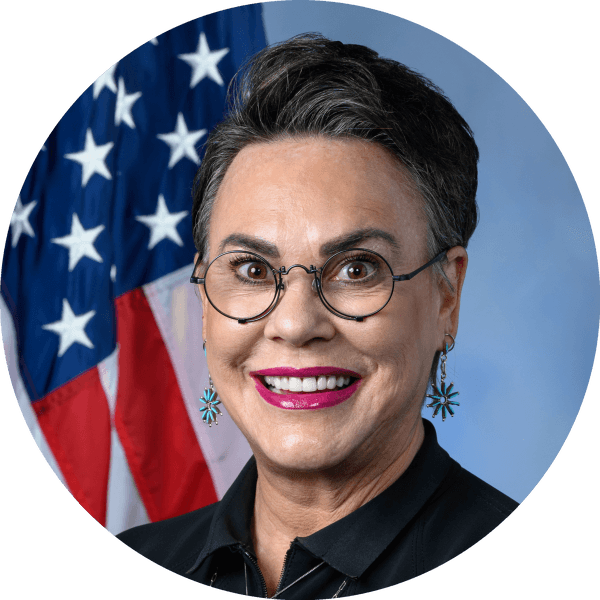
Harriet HagemanR-WY
4 cosponsors
Received in the Senate and Read twice and referred to the Committee on Indian Affairs.
Mar 4, 2026
HouseNative Americans
H.R. 7396
Native American Entrepreneurial Opportunity Act
Sharice DavidsD-KS


4 cosponsors
Received in the Senate and Read twice and referred to the Committee on Small Business and Entrepreneurship.
Jun 24, 2026
HouseNative Americans
S. 723
Tribal Trust Land Homeownership Act of 2025
John ThuneR-SD
3 cosponsors
Became Public Law No: 119-88.
May 4, 2026
SenateNative Americans
H.R. 7269
Helping Our People Act of 2026

Emily RandallD-WA

1 cosponsor
Referred to the Subcommittee on Indian and Insular Affairs.
Sep 10, 2026
HouseNative Americans
S. 640
Technical Corrections to the Northwestern New Mexico Rural Water Projects Act, Taos Pueblo Indian Water Rights Settlement Act, and Aamodt Litigation Settlement Act
Ben LujánD-NM
1 cosponsor
Held at the desk.
Dec 15, 2025
SenateNative Americans
H.R. 2815
Cape Fox Land Entitlement Finalization Act of 2025
Nicholas BegichR-AK
0 cosponsors
Became Public Law No: 119-93.
May 19, 2026
HouseNative Americans
H.R. 6205
Taos Pueblo Indian Water Rights Settlement Amendments Act of 2025
Teresa Leger FernandezD-NM
0 cosponsors
Referred to the House Committee on Natural Resources.
Nov 20, 2025
HouseNative Americans
Trending Right Now
Bills gaining momentum across Congress
H.R. 1502Surging+36
North Platte Canteen Congressional Gold Medal Act

Adrian SmithR-NE


+255
259 cosponsors
+36 this monthReferred to the House Committee on Financial Services.
Feb 21, 2025
HouseArmed Forces and National Security
H.R. 3569Surging+19
Fit to Serve Act
Adam SmithD-WA


+184
188 cosponsors
+19 this monthReferred to the House Committee on Armed Services.
May 21, 2025
HouseArmed Forces and National Security
H.R. 6130Surging+12
ASAP Act
Vern BuchananR-FL

+227
231 cosponsors
+12 this monthOrdered to be Reported in the Nature of a Substitute by the Yeas and Nays: 40 - 0.
Sep 16, 2026
HouseHealth
Tracking Native Americans in Congress? Monitor bills, track cosponsor momentum, and launch advocacy campaigns — all from one advocacy platform.