H.R. 2970: National Veterans Advocate Act of 2025
Sponsor
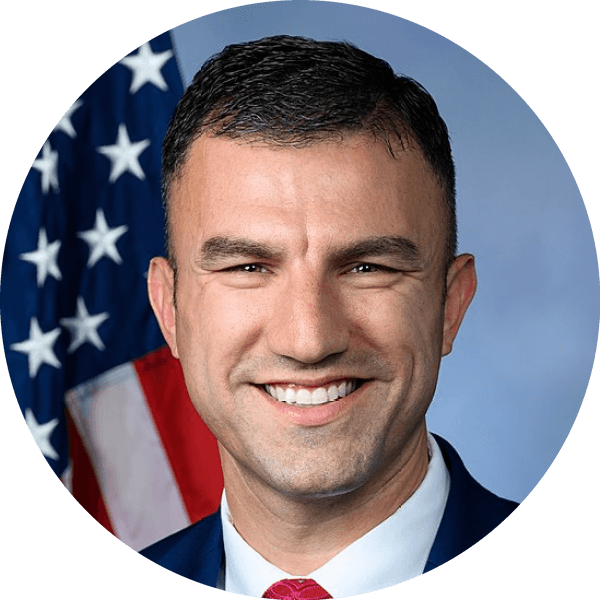
Rudy Yakym
Republican · IN-2
Veterans would get an advocate the VA can't silence
Why it matters
When you hit a wall at the VA today, the advocate you turn to works inside the same department you're fighting. H.R. 2970 would pull that office out of the VA's chain of command, fund it at $25 million a year through 2030, and let it send recommendations to Congress that no VA official is allowed to read first.
Right now the VA has patient advocates, but they sit inside the Office of the Under Secretary for Health — the same chain of command a veteran might be complaining about. H.R. 2970 renames that operation the Office of the National Veterans' Advocate and makes it independent, with a director who reports to the VA Secretary but is legally required to stay independent of the Secretary.
The office gets real teeth. It has to track where veterans run into problems, propose both administrative and legislative fixes, manage casework across the whole department, and run a public website with a complaint system and a portal where you can request help directly.
Twice a year — by March 30 and September 30 — it has to report to the House and Senate Veterans' Affairs Committees. The catch that gives the office its independence: the Secretary and every other VA official are barred from reviewing those recommendations before they reach Congress, and the reports get posted publicly.
Then there's the staffing floor. The bill puts a Deputy National Veterans' Advocate in each of the VA's regional networks (VISNs) and requires at least one veteran advocate for every 12,000 enrolled veterans living in that region. It also funds a Washington office and annual training built with veterans service organizations.
To pay for all of it, the bill authorizes $25 million a year from 2026 through 2030, and it orders the Secretary to actively tell veterans the office exists so they know where to go for help.
Bill Progress
Latest Action · May 12, 2025
Assigned to Subcommittee on Health. for review
H.R. 2970 Bill Summary
What H.R. 2970 actually does.
The advocate office leaves the VA's chain of command
The bill renames the Office of Patient Advocacy as the Office of the National Veterans' Advocate and pulls it out from under the Under Secretary for Health. It's led by a National Veterans' Advocate who reports to the VA Secretary but is legally required to stay independent of the Secretary, so the office no longer sits inside the leadership it may need to criticize.
Reports go to Congress that the VA can't pre-screen
Twice a year, by March 30 and September 30, the office must report to the House and Senate Veterans' Affairs Committees on the problems veterans face, fixes attempted, and independent legislative recommendations. The bill bars the Secretary and any other VA official from reviewing those recommendations before they reach Congress, and the reports are posted publicly.
One advocate for every 12,000 enrolled veterans
Each of the VA's regional networks (VISNs) gets a Deputy National Veterans' Advocate, who must keep at least one veteran advocate on staff for every 12,000 enrolled veterans living in that region. The bill also funds a Washington, D.C., office to handle administration, coordination, and oversight.
A public website and casework request portal
The office must manage casework across the entire department and run a public website with a complaint system, downloadable forms, and a dedicated portal where veterans can request help. Forms are designed to rapidly assign a case to a local veteran advocate who can deal with the veteran directly.
Annual training, built with veterans groups
The National Veterans' Advocate has to design a training curriculum alongside the Under Secretaries for Benefits and Health, each regional network director, and veterans service organizations. Every veteran advocate must complete that training annually, covering current VA policy, crisis management, health care, and other topics the Secretary picks.
$25 million a year through 2030, plus outreach
The bill authorizes $25 million for each fiscal year from 2026 through 2030 to fund the office, its staff, reporting, and casework systems. It also requires the Secretary to actively reach out to veterans already getting benefits so they know the office exists and how to use it.
Who benefits from H.R. 2970?
Veterans stuck in unresolved VA disputes
If you're fighting a denied claim or a problem no one will own, the office exists to find those breakdowns, push administrative fixes, and flag them to Congress twice a year — through an advocate that doesn't answer to the leadership you're disputing.
Enrolled veterans in underserved regions
The one-advocate-per-12,000 floor is meant to put real staffing behind regions that are thinly covered today. Veterans enrolled in the VA's health system would have a defined local caseworker to reach instead of a scattered support line.
Veterans who don't know help exists
The bill orders the Secretary to actively reach out to veterans already receiving benefits and tell them about the office, the website, and the casework portal — so the advocate isn't just available, but findable.
Veterans service organizations
Groups like the VFW and American Legion get a formal seat at the table in designing the annual training every veteran advocate must complete, alongside the VA's top benefits and health officials.
Who is affected by H.R. 2970?
VA Secretary and top leadership
The Secretary and the Under Secretaries for Health and Benefits would have to coordinate continually with the new advocate to fix policy — and would lose the ability to review the office's recommendations to Congress before they're sent.
Current patient advocates
Their title changes from "patient advocate" to "veteran advocate," their office moves into an independent structure outside the health bureaucracy, and they'd face new annual training requirements kept consistent across the department.
The VA's regional networks
Each of the VA's regional networks (VISNs) would have to stand up a Deputy National Veterans' Advocate and hire enough advocates to hit the one-per-12,000 staffing ratio in its geographic area.
House and Senate Veterans' Affairs Committees
Both committees would start receiving mandatory reports every March 30 and September 30, including independent legislative recommendations that VA officials are barred from screening first.
Cost & Funding
Authorization
$25 million for each fiscal year from 2026 through 2030
- $25 million a year for five years — 2026 through 2030 — totaling $125 million authorized.
- Spread across the country's roughly 9 million enrolled veterans, that's under $3 per enrolled veteran per year to fund the office, its regional staff, the website, and outreach.
- The money covers the independent office, its casework systems, oversight, and outreach. The advocate's own pay is set at the top rate for the government's Senior Executive Service.
HR2970 Legislative Journey
House: Committee Action
May 12, 2025
Referred to the Subcommittee on Health.
House: Committee Action
Apr 17, 2025
Referred to the House Committee on Veterans' Affairs.
About the Sponsor
Rudy Yakym
Republican, Indiana's 2nd congressional district · 4 years in Congress
Committees: Ways and Means
View full profile →
Cosponsors (1)
This bill has 1 cosponsor: 1 Republican. Cosponsors represent 1 state: Ohio.
Committee Sponsors
Veterans' Affairs Committee
0 of 25 committee members cosponsored
No committee members have cosponsored this bill
14 Republicans across this committee haven't cosponsored yet. Mobilize their constituents
H.R. 2970 Quick Facts

- Committee
- Veterans' Affairs
- Chamber
- House
- Policy
- Armed Forces and National Security
- Introduced
- Apr 17, 2025
Assigned to Subcommittee on Health. for review
May 12, 2025
Official Sources
Official Congress.gov page for the National Veterans Advocate Act of 2025, including bill text, actions, and status.
The section of title 38 the bill amends to rename and make independent the Office of the National Veterans’ Advocate.
The current VA patient advocacy program that HR2970 would pull out of the health bureaucracy and rebuild as an independent office.
The bill moves the advocacy office out from under the Under Secretary for Health, so the VHA's official site shows the current chain of command it would leave.
HR2970 ties advocate staffing to veterans enrolled in the VA patient enrollment system, making VA health enrollment guidance directly relevant.
The statute governing the VA patient enrollment system referenced in the bill’s 1-advocate-per-12,000 staffing ratio.
The bill places a Deputy National Veterans’ Advocate in each VISN, so VA’s official facility and network locator helps explain the geography of those regional networks.
One of the two committees named in the bill to receive the National Veterans’ Advocate’s reports each March 30 and September 30.
H.R. 2970 Common Questions
What would H.R. 2970 actually change for veterans?
It turns the VA's patient advocate office into an independent National Veterans' Advocate — pulled out of the VA health bureaucracy, with its own staff in every region, a public help portal, and reports to Congress the VA can't edit first.
How is the office 'independent' if it still reports to the VA Secretary?
The advocate reports to the Secretary day-to-day but is legally required to stay independent of the Secretary. The key safeguard: VA officials can't review its recommendations to Congress before they're sent.
Can the VA Secretary change the advocate's reports to Congress?
No. Under H.R. 2970, the Secretary and any other VA official are barred from reviewing the office's recommendations before they go to Congress, and each report has to be posted publicly.
How many veteran advocates would the VA have to hire?
The bill sets a floor of at least one veteran advocate for every 12,000 enrolled veterans in each of the VA's regional networks, plus a deputy advocate to run casework staff in every region.
How much would H.R. 2970 cost?
It authorizes $25 million a year from 2026 through 2030 — $125 million over five years — to fund the office, its regional staff, the website, casework systems, and outreach to veterans.
How would I actually get help from the new office?
The bill requires a public website with a casework request portal where you can ask for help, plus forms that quickly assign your case to a local advocate. The VA would also be ordered to tell veterans the office exists.
Is this the same as the patient advocate the VA already has?
It's a rebuild of it. Today's patient advocates sit inside the Under Secretary for Health. H.R. 2970 renames them veteran advocates, moves the office out of that chain, and adds staffing floors and annual training.
What's the status of H.R. 2970?
It was introduced in April 2025 by Rep. Rudy Yakym (R-IN) with one cosponsor and referred to the House Veterans' Affairs Subcommittee on Health. It hasn't had a committee vote yet.
Based on H.R. 2970 bill text
H.R. 2970 Bill Text
“To amend title 38, United States Code, to make certain improvements to the laws relating to advocacy for veterans who receive health care and other benefits furnished by the Department of Veterans Affairs, and for other purposes.”
Source: U.S. Government Publishing Office
Get notified when H.R. 2970 moves
Committee votes, floor action, cosponsor changes — straight to your inbox.
Bill alerts + Legisletter's monthly briefing. Unsubscribe anytime.
Armed Forces and National Security Bills
9 related bills we're tracking
Major Richard Star Act

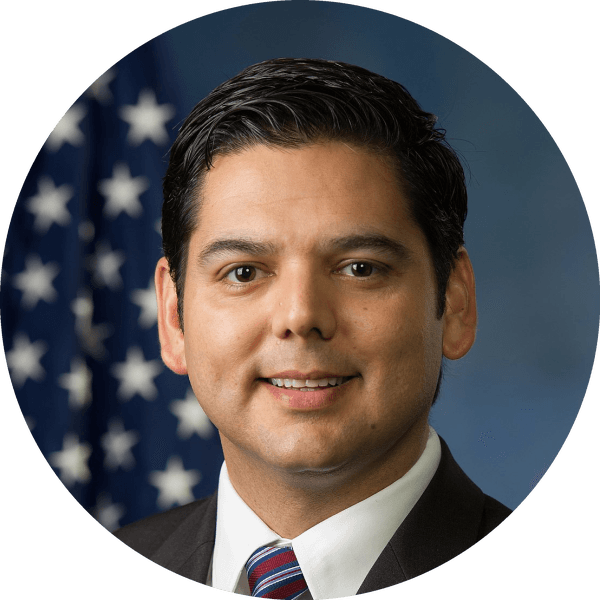



Referred to the Subcommittee on Disability Assistance and Memorial Affairs.
Apr 4, 2025
Pay Our Troops Act of 2026

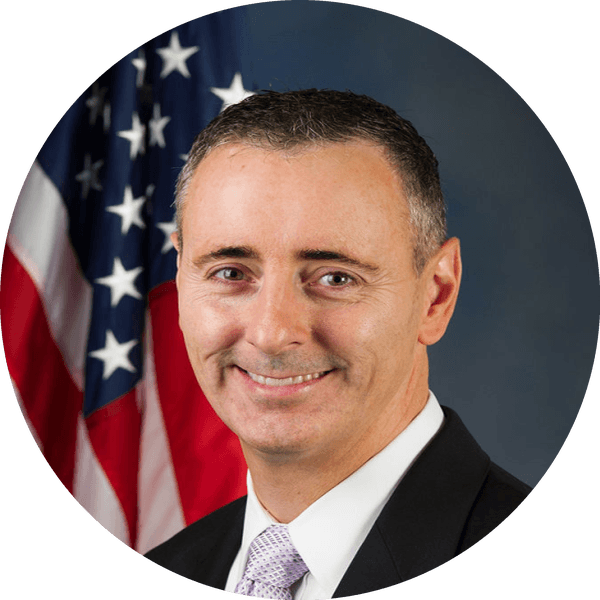



Referred to the House Committee on Appropriations.
Sep 16, 2025
Fit to Serve Act





Referred to the House Committee on Armed Services.
May 21, 2025
Love Lives On Act of 2025





Forwarded by Subcommittee to Full Committee by Voice Vote.
Mar 26, 2026
Air America Act of 2025

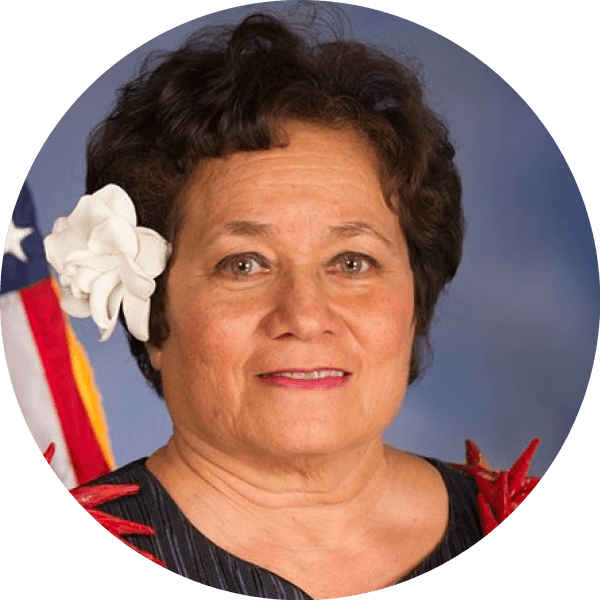
Referred to the House Committee on Intelligence (Permanent Select).
Mar 18, 2025
Veteran Burial Timeliness and Death Certificate Accountability Act



Subcommittee Hearings Held
Jun 30, 2026
Reproductive Freedom for Veterans Act




Committee Hearings Held
Mar 18, 2026
GUARD VA Benefits Act




Committee Hearings Held
Mar 18, 2026
Caring for Survivors Act of 2025



Subcommittee Hearings Held
Jun 24, 2025
Trending Right Now
Bills gaining momentum across Congress
America’s Olympic and Paralympic Games Commemorative Coins Act





Referred to the House Committee on Financial Services.
Jul 14, 2025
ASAP Act


Ordered to be Reported in the Nature of a Substitute by the Yeas and Nays: 40 - 0.
Sep 16, 2026
Therapeutic Fraud Prevention Act of 2025



Referred to the House Committee on Energy and Commerce.
May 7, 2025
Tracking Armed Forces and National Security in Congress? Monitor bills, track cosponsor momentum, and launch advocacy campaigns — all from one advocacy platform.