S. 2542: Federal Building Threat Notification Act
Sponsor
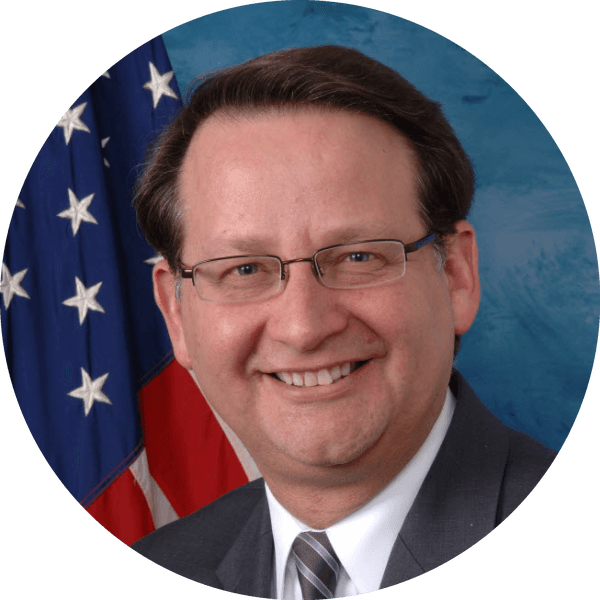
Gary Peters
Democrat · MI
Federal workers deserve faster threat alerts
Why it matters
If you're in a federally protected building, this bill says you should be warned about violent threats inside the building or within roughly 150 feet of it. It gives the Federal Protective Service 1 year to create a standard alert and response system.
S. 2542 would require a government-wide playbook for warning people in federally protected buildings about nearby violent threats.
The bill tells the Federal Protective Service, working with the Department of Homeland Security, to create and put in place emergency communication guidance within 1 year. That guidance must cover threats inside the building and threats within about 150 feet of the perimeter.
The alert system would have to address firearm incidents, other weapons threats, terrorism-related threats, and suspicious devices or materials. It also has to include instructions for what tenants should do during an immediate threat or a period of elevated risk.
Each covered building would need a named security official responsible for making the guidance work in practice, not just on paper. The Federal Protective Service would also have to confirm that every department or agency in these buildings has that point person.
The bill goes beyond alerts by requiring periodic testing so federal tenants can respond to a law-enforcement emergency. Congress would get a report within 1 year, capped at 10 pages, plus a briefing on what support is needed to keep these buildings safe.
The catch is that the bill provides no new money, so the work would have to be done with existing staff and resources.
Bill Progress
Latest Action · Aug 10, 2026
Passed the Senate, received in House
S. 2542 Bill Summary
What S. 2542 actually does.
Threat alerts become standard across covered federal buildings
The Federal Protective Service would have 1 year to develop and implement emergency communication guidance for federal tenants in buildings it protects.
Warnings must cover threats just outside the building
Alerts would have to apply not only to threats inside a building, but also to violent threats within about 150 feet of the building perimeter.
Gun threats, terrorism threats, and suspicious devices are all included
The guidance must address firearm events, other weapons threats, terrorism-related threats, and suspicious devices or materials.
Tenants must get safety instructions, not just alerts
The bill requires guidance on what people should do during an immediate threat or a period of heightened risk.
Every building gets a clear security point person
A designated Facility Security Committee official in each covered building would be responsible for putting the guidance into effect, and FPS would have to confirm those officials are in place.
Buildings would have to test their response
FPS must make sure federal tenants can respond to a law-enforcement emergency and conduct periodic testing to prepare for those events.
Who benefits from S. 2542?
Federal employees working in FPS-protected buildings
If you work in one of these buildings, you could get faster, more consistent alerts about violent threats and clearer instructions on what to do next.
Contractors and other federal tenants on site
People who are in federal buildings every day but do not work directly for the government would be covered by the same communication and testing rules.
Visitors in federally protected buildings
People inside the building during an emergency could benefit from more organized warning procedures if agencies put the guidance into practice effectively.
Building security officials
The bill gives each covered building a defined person responsible for implementation, which could reduce confusion about who is supposed to act during an emergency.
Who is affected by S. 2542?
Federal Protective Service leadership
FPS would have to write the guidance, implement it within 1 year, confirm designated officials across covered buildings, run periodic testing, and report back to Congress.
Department of Homeland Security
DHS would have to coordinate on the guidance and help shape how alerts and safety instructions are handled across federally protected buildings.
Federal departments and agencies in covered buildings
Agencies with space in FPS-protected buildings would need designated security officials and would have to operate under a more uniform alert and response system.
People inside these buildings during emergencies
Workers, contractors, and visitors could see more frequent drills, clearer warning messages, and updated emergency instructions when a threat occurs.
What Congress Is Saying
S. 2542 has come up 6 times in the Congressional Record so far.
S. 2542 also appeared in 1 more Senate floor reference and 1 routine cosponsor filing.
S2542 Legislative Journey
House: Action Taken
Aug 10, 2026
Held at the desk.
Passed 4547-4548
Aug 7, 2026
Passed Senate with an amendment by Unanimous Consent. (consideration: CR S4547-4548; text: CR S4548)
+1 more action this day
Committee Action
Aug 6, 2026
Committee on Homeland Security and Governmental Affairs. Reported by Senator Paul with an amendment in the nature of a substitute. Without written report.
Committee Action
Jul 30, 2025
Read twice and referred to the Committee on Homeland Security and Governmental Affairs.
About the Sponsor
Gary Peters
Democrat, MI · 17 years in Congress
Committees: Homeland Security and Governmental Affairs, Commerce, Science, and Transportation, Armed Services
View full profile →
Cosponsors (2)
All 2 cosponsors are Republicans. Cosponsors represent 2 states: Iowa, Oklahoma.
Committee Sponsors
Homeland Security and Governmental Affairs Committee
2 of 15 committee members cosponsored


7 Democrats across this committee haven't cosponsored yet. Mobilize their constituents
S. 2542 Quick Facts


- Committee
- Homeland Security and Governmental Affairs
- Chamber
- Senate
- Policy
- Government Operations and Politics
- Introduced
- Jul 30, 2025
Passed the Senate, received in House
Aug 10, 2026
Official Sources
Official legislative page for the Federal Building Threat Notification Act, including status, text, and actions.
Federal Protective Service is the agency the bill directs to create and implement emergency communication guidance for protected buildings.
The bill requires the Director of the Federal Protective Service to coordinate with the Secretary of Homeland Security.
DHS active shooter guidance is relevant to the bill's requirement for warning tenants and providing safety instructions during immediate threats.
Official bomb threat and suspicious item guidance is relevant because the bill covers suspicious devices or materials near protected federal buildings.
CISA's active shooter preparedness resources relate to the bill's focus on firearm events, violent threats, and emergency response protocols.
Emergency communications policy and practice are central to the bill's requirement for standardized alerts and instructions for federal tenants.
S. 2542 Common Questions
What does S. 2542 actually do?
S. 2542 tells the Federal Protective Service to create a standard system for warning federal tenants about violent threats in or near buildings it protects, plus basic safety instructions.
How close does a threat have to be for an alert?
The bill says alerts should cover violent threats inside the building or within about 150 feet of the building perimeter.
What kinds of threats are covered?
The guidance would have to cover firearm events, other weapons threats, terrorism-related threats, and suspicious devices or materials.
Would workers only get alerts, or instructions too?
Both. S. 2542 says tenants should get warnings and instructions for how to respond during an immediate threat or a period of heightened risk.
Who would be responsible at each federal building?
Each covered building would need a designated Facility Security Committee official responsible for putting the guidance into effect.
Does the bill require drills or testing?
Yes. The Federal Protective Service would have to make sure tenants can respond to a law-enforcement emergency and conduct periodic testing.
How long would the government have to set this up?
The bill gives the Federal Protective Service 1 year after enactment to develop and implement the guidance, and to send Congress a report.
Does S. 2542 provide new money for security upgrades?
No. S. 2542 explicitly says no additional funds are authorized, so the work would have to be done with existing resources.
Based on S. 2542 bill text
S. 2542 Bill Text
“To direct the Director of the Federal Protective Service to establish guidance relating to emergency protocols for buildings, and for other purposes.”
Source: U.S. Government Publishing Office
Get notified when S. 2542 moves
Committee votes, floor action, cosponsor changes — straight to your inbox.
Bill alerts + Legisletter's monthly briefing. Unsubscribe anytime.
Government Operations and Politics Bills
9 related bills we're tracking
Protect Our Letter Carriers Act of 2025
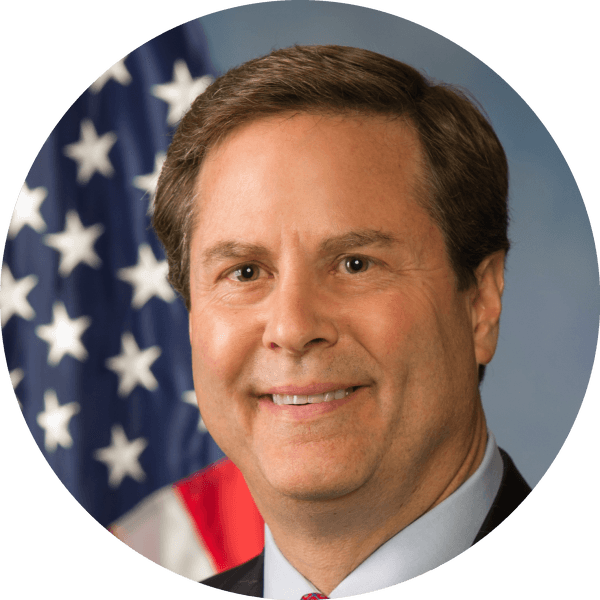

Referred to the Committee on the Judiciary, and in addition to the Committee on Oversight and Government Reform, for a period to be subsequently determined by the Speaker, in each case for consideration of such provisions as fall within the jurisdiction of the committee concerned.
Feb 6, 2025
John R. Lewis Voting Rights Advancement Act of 2025

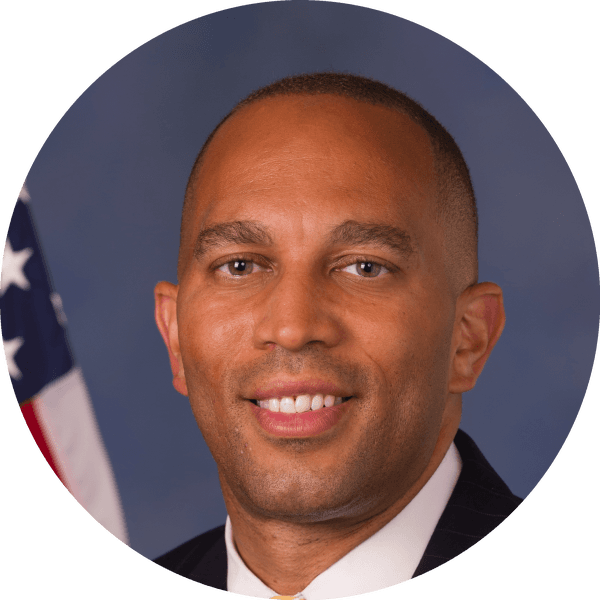

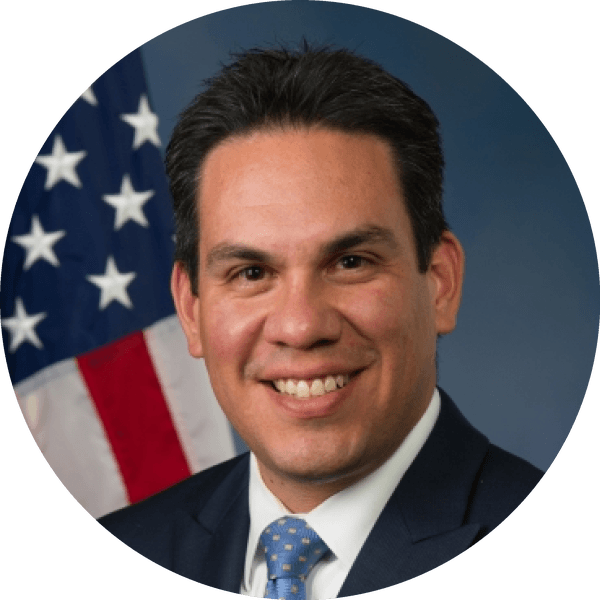

Referred to the House Committee on the Judiciary.
Mar 5, 2025
Washington, D.C. Admission Act


Referred to the Committee on Oversight and Government Reform, and in addition to the Committees on Rules, Armed Services, the Judiciary, and Energy and Commerce, for a period to be subsequently determined by the Speaker, in each case for consideration of such provisions as fall within the jurisdiction of the committee concerned.
Jan 3, 2025
Rights for the TSA Workforce Act





Referred to the Subcommittee on Transportation and Maritime Security.
Mar 11, 2025
DISCLOSE Act of 2026

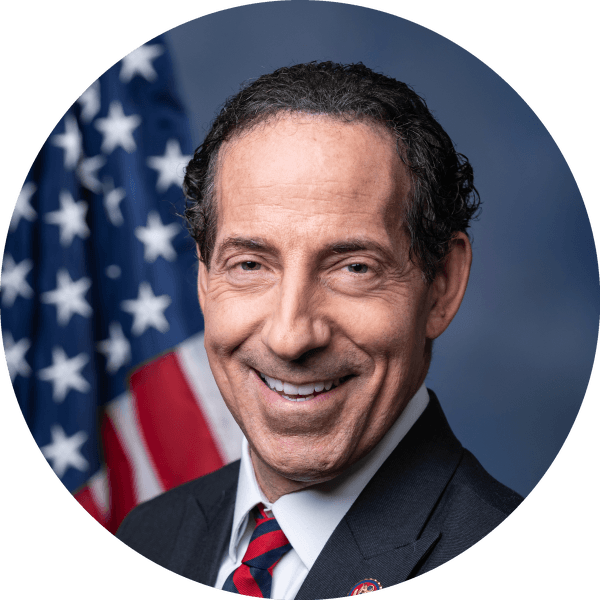
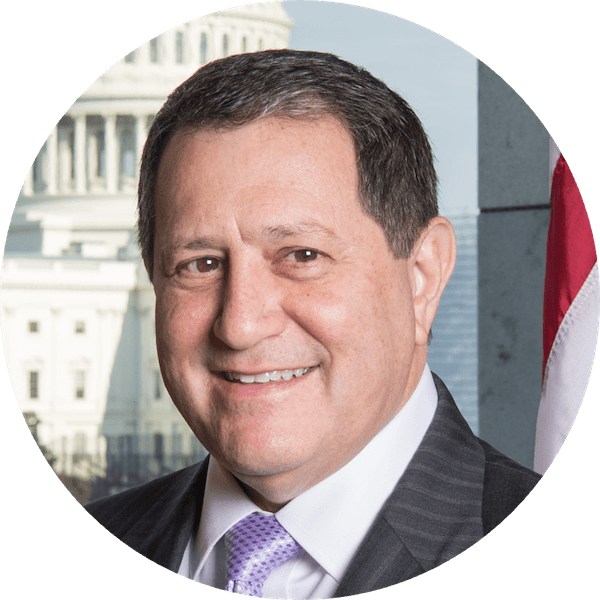


Referred to the Committee on House Administration, and in addition to the Committees on Ways and Means, and the Judiciary, for a period to be subsequently determined by the Speaker, in each case for consideration of such provisions as fall within the jurisdiction of the committee concerned.
Mar 4, 2026
Federal Retirement Fairness Act
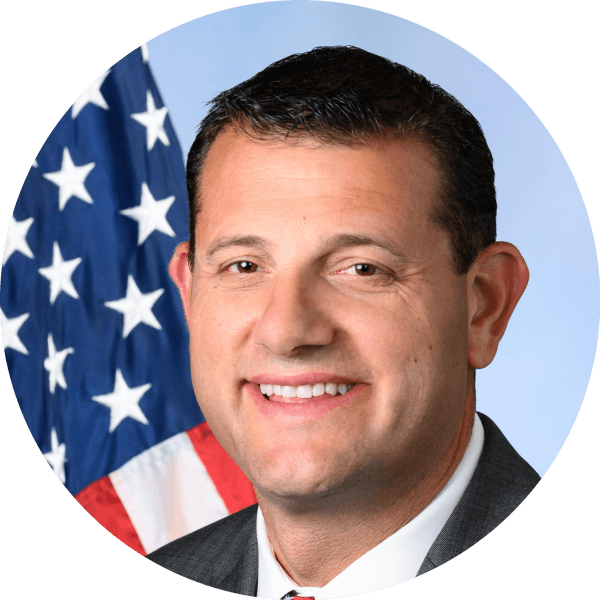



ASSUMING FIRST SPONSORSHIP - Ms. Randall asked unanimous consent that she may hereafter be considered as the first sponsor of H.R. 1522, a bill originally introduced by Representative Connolly, for the purpose of adding cosponsors and requesting reprintings pursuant to clause 7 of rule XII. Agreed to without objection.
Jul 22, 2025
FIND Act
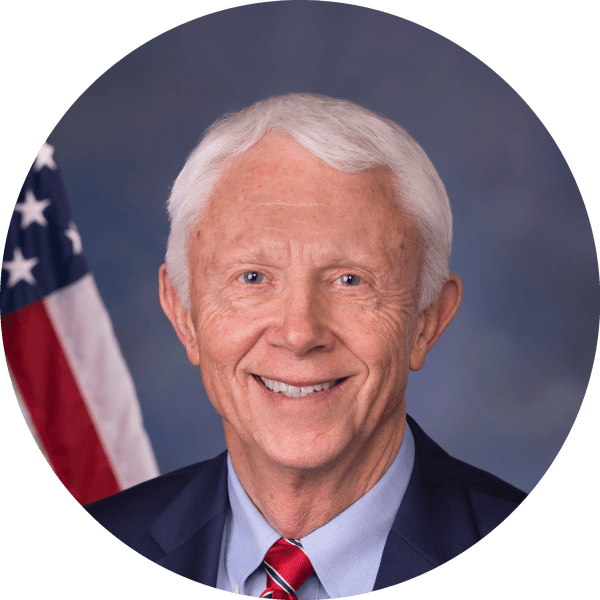




Referred to the House Committee on Oversight and Government Reform.
Jan 3, 2025
Fair Pay for Federal Contractors Act of 2025


Referred to the Committee on Appropriations, and in addition to the Committee on Oversight and Government Reform, for a period to be subsequently determined by the Speaker, in each case for consideration of such provisions as fall within the jurisdiction of the committee concerned.
Sep 30, 2025
Saving the Civil Service Act
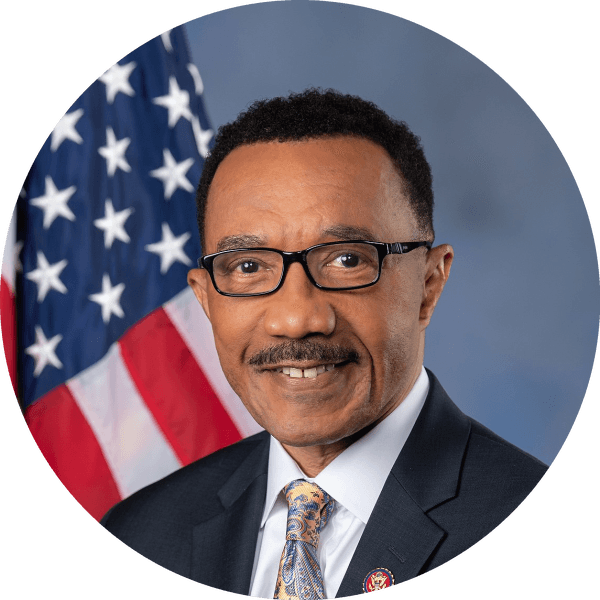
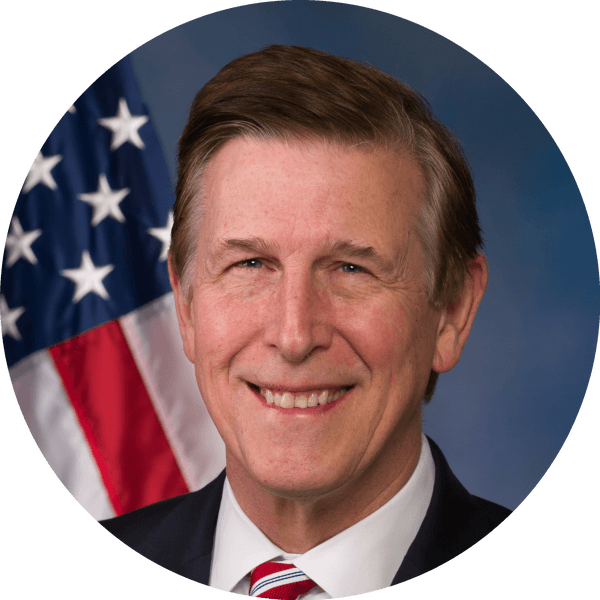
ASSUMING FIRST SPONSORSHIP - Mr. Walkinshaw asked unanimous consent that he may hereafter be considered as the first sponsor of H.R. 492, a bill originally introduced by Representative Connolly, for the purpose of adding cosponsors and requesting reprintings pursuant to clause 7 of rule XII. Agreed to without objection.
Sep 16, 2025
Trending Right Now
Bills gaining momentum across Congress
North Platte Canteen Congressional Gold Medal Act


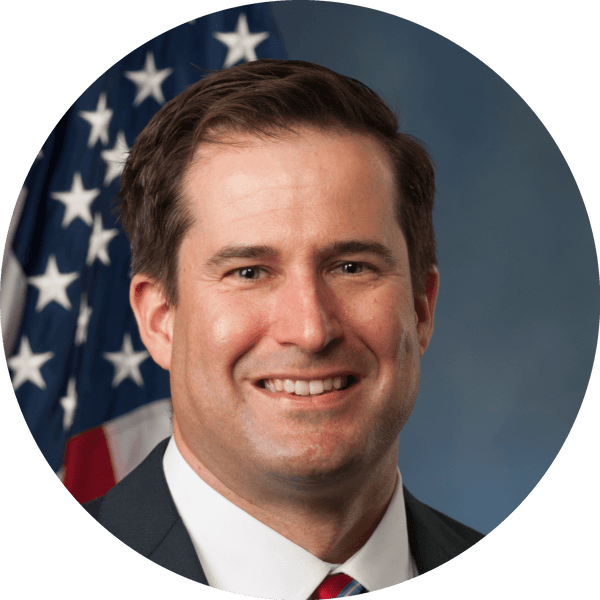
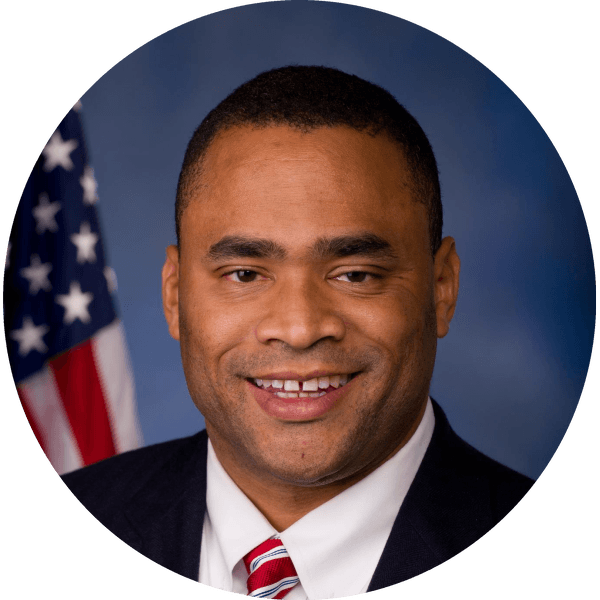
Referred to the House Committee on Financial Services.
Feb 21, 2025
ASAP Act

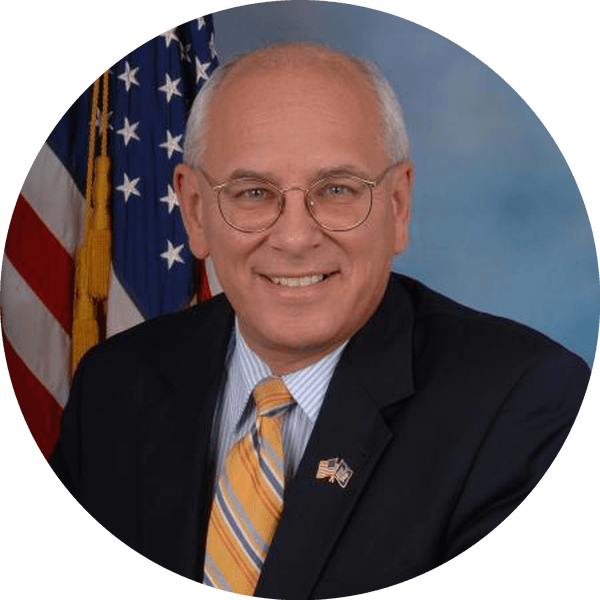


Ordered to be Reported in the Nature of a Substitute by the Yeas and Nays: 40 - 0.
Sep 16, 2026
Fit to Serve Act




Referred to the House Committee on Armed Services.
May 21, 2025
Tracking Government Operations and Politics in Congress? Monitor bills, track cosponsor momentum, and launch advocacy campaigns — all from one advocacy platform.