S. 320: National Earthquake Hazards Reduction Program Reauthorization Act of 2025
Sponsor

Alex Padilla
Democrat · CA
Congress targets the older buildings quakes destroy
Why it matters
The bill's findings cite $14.7 billion in earthquake damage to U.S. buildings every year, and say nearly half the country lives where a damaging quake could hit within 50 years. S. 320 shifts the federal earthquake program from designing safer new buildings to finding and fixing the dangerous old ones.
S. 320 reauthorizes the National Earthquake Hazards Reduction Program, the federal effort that has coordinated earthquake science and safety across four agencies since 1977. It does not create a new grant program. It redirects the existing one.
The headline change is a shift in focus. The original law leaned on designing and constructing safer new buildings. This bill adds evaluation and retrofitting of existing buildings and infrastructure, and calls for inventories of high-risk structures, especially the ones a community can't function without, like hospitals and housing.
It also writes "functional recovery" into federal law. The idea is that a building shouldn't just stay standing in a quake. It should be usable again quickly afterward, so people can move back in and lifeline systems can return to service.
Throughout, the bill adds Tribal governments alongside states and localities, expands earthquake early warning and tsunami coordination, and directs agencies to issue aftershock forecasts and study fires that follow earthquakes.
Bill Progress
Latest Action · Jan 7, 2026
Passed the Senate, received in House
S. 320 Bill Summary
What S. 320 actually does.
Old buildings become the focus, not just new ones
Expands the program beyond safer design and construction to include evaluating and retrofitting existing buildings and infrastructure, especially older structures built to outdated codes.
Find the high-risk structures first
Calls for best practices and inventories to identify and assess buildings and lifeline infrastructure with high seismic risk, prioritizing those critical to community resilience.
Buildings should bounce back, not just survive
Writes "functional recovery" into the law, setting a goal that buildings and lifeline systems return to safe use quickly after a quake rather than simply avoiding collapse.
Tribal governments added throughout
Includes Tribal governments alongside states and localities across program goals, advisory representation, technical assistance, and information sharing.
Faster, multilingual earthquake warnings
Directs USGS to expand the earthquake early warning system, broadcast alerts in the region's predominant languages, coordinate tsunami response, and issue aftershock forecasts.
Protects housing and care facilities
Adds housing and care facilities for vulnerable populations to the list of buildings the program must prioritize for earthquake hazard reduction.
Who benefits from S. 320?
People in older buildings in quake country
Residents and workers in structures built to outdated codes stand to gain the most as governments locate high-risk buildings and steer help toward retrofits.
States, cities, and Tribal governments
They get explicit inclusion in the program plus technical assistance for building inventories, seismic evaluations, retrofit strategies, and evacuation planning.
Hospitals, housing, and lifeline operators
The new focus on functional recovery aims at keeping critical facilities and utilities usable after a quake, not just standing.
Engineers, building officials, and planners
They get updated standards, hazard maps including tsunami and liquefaction risk, and federal guidance on retrofitting and post-quake recovery.
Who is affected by S. 320?
Owners of older buildings and infrastructure
As governments build inventories of high-risk structures, owners of older buildings could face more scrutiny and pressure to evaluate and retrofit.
The four federal program agencies
FEMA, USGS, the National Science Foundation, and NIST would need to update guidance, coordinate more, and report every two years on implementing recovery recommendations.
Building code and standards organizations
They would be pressed to fold reoccupancy, downtime, and functional-recovery guidance into voluntary standards and consensus codes.
Public utilities and lifeline operators
Water, power, and communications operators would see growing expectations to assess seismic weak points and plan for continuity after a major quake.
Cost & Funding
Authorization
About $160.8 million per year for fiscal years 2024 through 2028 (roughly $804 million over five years)
- USGS gets the largest share: $92,427,000 per year, with at least $36,000,000 of that reserved each year to complete the Advanced National Seismic System.
- The National Science Foundation is authorized at $54,000,000 per year, the general program at $8,500,000 per year, and NIST at $5,900,000 per year.
- Several of the new activities, including retrofit technical assistance and high-risk inventories, are written as "subject to the availability of funds," so actual appropriations will decide how much happens.
- The bill's findings cite FEMA and USGS estimates of $14.7 billion in annualized earthquake losses to the national building stock and $107.8 trillion in total economic exposure for buildings and contents.
What Congress Is Saying
S. 320 has come up 12 times in the Congressional Record so far.
S. 320 also appeared in 2 more Senate floor references and 4 routine cosponsor filings.
S320 Legislative Journey
House: Action Taken
Jan 7, 2026
Held at the desk.
Passed
Jan 5, 2026
Passed Senate with an amendment by Unanimous Consent.
+3 more actions this day
Committee Action
Oct 14, 2025
Committee on Commerce, Science, and Transportation. Reported by Senator Cruz with an amendment in the nature of a substitute. With written report No. 119-74.
Passed Committee
Apr 30, 2025
Committee on Commerce, Science, and Transportation. Ordered to be reported with an amendment in the nature of a substitute favorably.
Committee Action
Jan 29, 2025
Read twice and referred to the Committee on Commerce, Science, and Transportation.
About the Sponsor
Alex Padilla
Democrat, CA · 5 years in Congress
Committees: Rules and Administration, Joint Committee on Printing, Joint Committee of Congress on the Library
View full profile →
Cosponsors (1)
This bill has 1 cosponsor: 1 Republican. Cosponsors represent 1 state: Alaska.
Committee Sponsors
Commerce, Science, and Transportation Committee
0 of 28 committee members cosponsored
No committee members have cosponsored this bill
13 Democrats across this committee haven't cosponsored yet. Mobilize their constituents
S. 320 Quick Facts

- Committee
- Commerce, Science, and Transportation
- Chamber
- Senate
- Policy
- Emergency Management
- Introduced
- Jan 29, 2025
Passed the Senate, received in House
Jan 7, 2026
Official Sources
Official Congress.gov page for the National Earthquake Hazards Reduction Program Reauthorization Act of 2025, with bill text, status, and actions.
The four-agency federal program S. 320 reauthorizes, coordinating earthquake science and safety across FEMA, NIST, NSF, and USGS.
NIST is the congressionally designated lead agency that coordinates NEHRP and would carry much of the bill's new functional-recovery and standards work.
The bill writes 'functional recovery' into federal law; this NIST project develops the framework for buildings and lifelines to return to use quickly after a quake.
The USGS program that monitors earthquakes and produces the loss and hazard estimates the bill's findings rely on.
The bill directs USGS to expand the earthquake early warning system and broadcast multilingual alerts; ShakeAlert is that system.
The bill reserves at least $36 million per year for USGS to complete the Advanced National Seismic System.
The bill expands tsunami coordination; NOAA operates the National and Pacific Tsunami Warning Centers that USGS and FEMA would coordinate with.
S. 320 Common Questions
How much money does S. 320 authorize?
About $160.8 million a year for 2024 through 2028. USGS gets the most at $92.4 million annually, with at least $36 million reserved each year to finish the Advanced National Seismic System. The rest goes to the National Science Foundation, NIST, and the general program.
Why does S. 320 focus on older buildings?
Newer buildings tend to perform well in a quake. The bill's findings say structures built to older codes can pose a serious risk of collapse, injury, or loss of life. So the program expands from designing safe new buildings to evaluating and retrofitting the dangerous old ones.
What does "functional recovery" mean in the bill?
It means a building or lifeline system is restored quickly enough after a quake to safely support what it did before. The goal isn't just to keep a building standing. It's to get people back inside and services back online fast.
What does S. 320 say earthquakes cost the U.S.?
The bill's findings cite FEMA and USGS estimates of $14.7 billion in earthquake losses to U.S. buildings every year, with $107.8 trillion in total economic exposure. The findings also say almost half the U.S. population lives where a damaging quake could strike within 50 years.
Does S. 320 include Tribal governments?
Yes. The bill adds Tribal governments alongside states and localities throughout the program, from advisory committee seats to technical assistance for inventories, seismic evaluations, retrofits, and earthquake evacuation plans.
Does S. 320 deal with tsunamis and earthquake early warnings?
Yes. It directs USGS to expand the earthquake early warning system, broadcast alerts in the region's main languages for maximum warning time, coordinate tsunami response with NOAA and FEMA, and issue forecasts for aftershocks after major quakes.
Has S. 320 passed, and what's its status now?
S. 320 passed the Senate by unanimous consent in January 2026 and has been received in the House, where it's currently held at the desk. It still needs House action to become law. It's sponsored by Senator Alex Padilla, with Senator Lisa Murkowski as a cosponsor.
Based on S. 320 bill text
S. 320 Bill Text
“To reauthorize the Earthquake Hazards Reduction Act of 1977, and for other purposes.”
Source: U.S. Government Publishing Office
Get notified when S. 320 moves
Committee votes, floor action, cosponsor changes — straight to your inbox.
Bill alerts + Legisletter's monthly briefing. Unsubscribe anytime.
Emergency Management Bills
8 related bills we're tracking
PFAS Alternatives Act

Referred to the Subcommittee on Water Resources and Environment.
May 6, 2025
FEMA Act of 2025
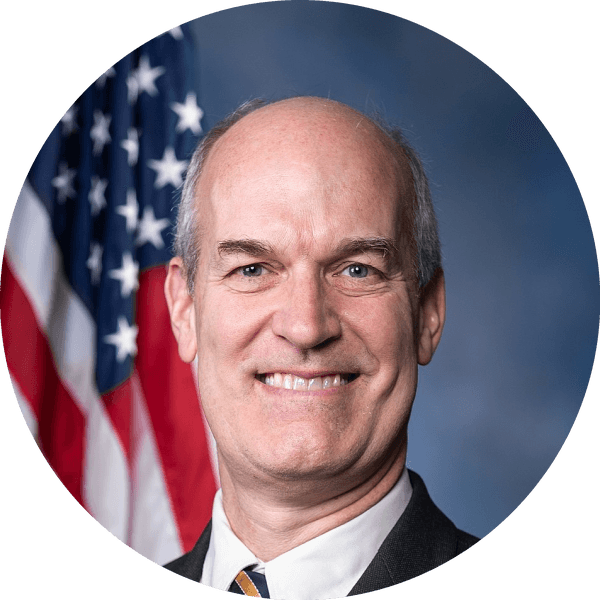

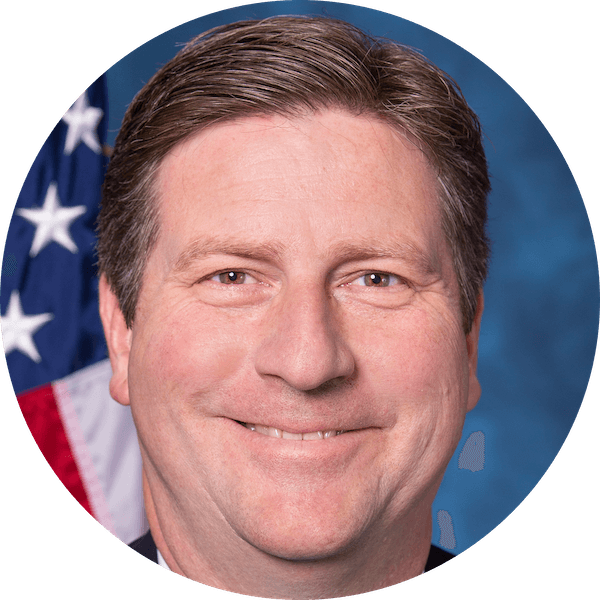
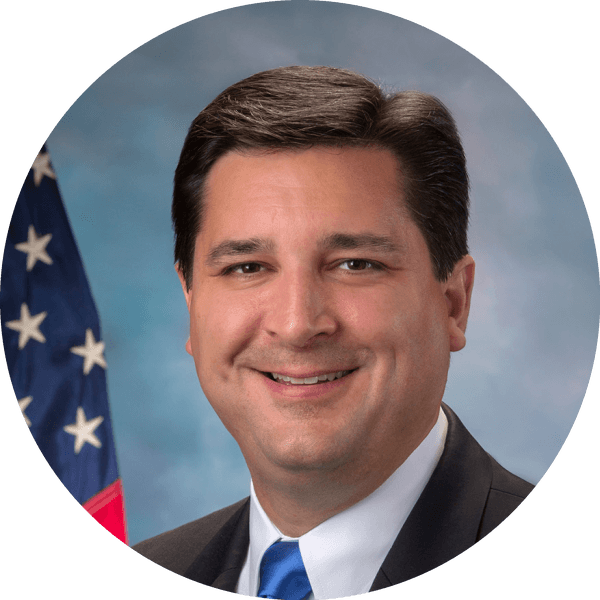
Ordered to be Reported (Amended) by the Yeas and Nays: 57 - 3.
Sep 3, 2025
Federal Emergency Management Continuity Act of 2025


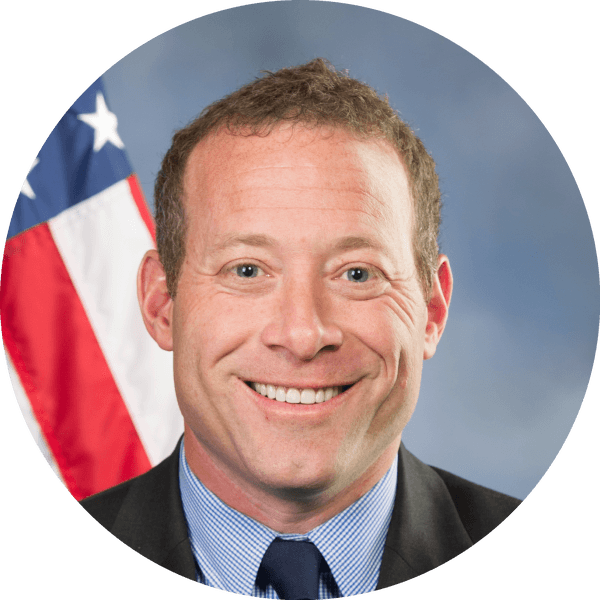
Referred to the Subcommittee on Economic Development, Public Buildings, and Emergency Management.
Dec 1, 2025
To require the Administrator of the Federal Emergency Management Agency to ensure that cost estimates, acquisition of proper materials, and any other activity related to certain projects under the Robert T. Stafford Disaster Relief and Emergency Assistance Act are performed by professionals licensed in the relevant State, and for other purposes.


Referred to the Subcommittee on Economic Development, Public Buildings, and Emergency Management.
May 5, 2025
Wildfire Response Improvement Act

Referred to the Subcommittee on Economic Development, Public Buildings, and Emergency Management.
Feb 14, 2025
Homeland Security Capabilities Preservation Reporting Act of 2026

Received in the Senate and Read twice and referred to the Committee on Homeland Security and Governmental Affairs.
Jul 14, 2026
National Landslide Preparedness Act Reauthorization Act of 2025

Held at the desk.
Jan 7, 2026
Chiquita Canyon Tax Relief Act
Referred to the House Committee on Ways and Means.
Feb 10, 2025
Trending Right Now
Bills gaining momentum across Congress
North Platte Canteen Congressional Gold Medal Act



Referred to the House Committee on Financial Services.
Feb 21, 2025
Fit to Serve Act





Referred to the House Committee on Armed Services.
May 21, 2025
ASAP Act


Ordered to be Reported in the Nature of a Substitute by the Yeas and Nays: 40 - 0.
Sep 16, 2026
Tracking Emergency Management in Congress? Monitor bills, track cosponsor momentum, and launch advocacy campaigns — all from one advocacy platform.