H.R. 5780: Federal Emergency Management Continuity Act of 2025
Sponsor

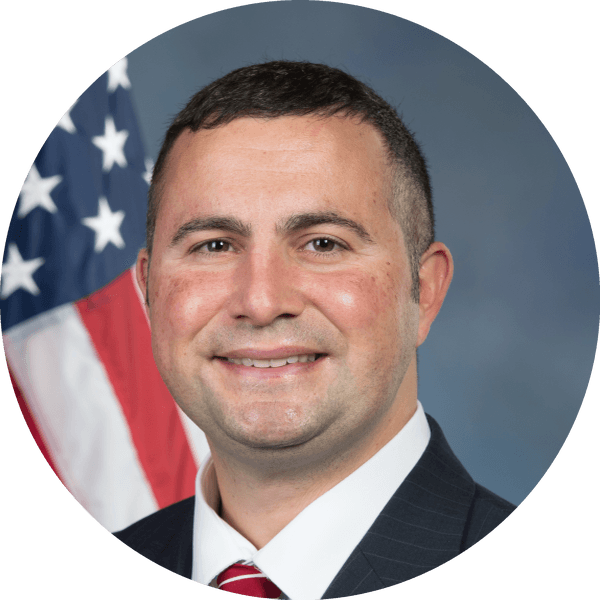
Jared Moskowitz
Democrat · FL-23
A shutdown shouldn't freeze your FEMA disaster check
Why it matters
When Washington can't pass a budget, disaster survivors waiting on a FEMA payment can get stranded mid-recovery. H.R. 5780 would force FEMA to keep paying out disaster aid from money Congress already approved, even during a shutdown, and would bar furloughs of the workers who process those checks.
Right now, a lapse in appropriations can slow or freeze parts of FEMA's operations along with the rest of the government. This bill carves out disaster aid from that freeze.
It covers the Disaster Relief Fund, the pot of money FEMA draws on to respond to hurricanes, floods, and other declared disasters. During a shutdown, FEMA would have to keep spending whatever Disaster Relief Fund money was already appropriated before the lapse and is still available.
The protected aid is specific: direct help to individual survivors, the public assistance that reimburses states and local governments for response and rebuilding, and any other Disaster Relief Fund spending needed to protect life and property while the funding gap lasts.
The bill also keeps the people who cut the checks on the job. FEMA staff needed to handle these payments would be treated as essential workers who keep working through a shutdown, and they couldn't be furloughed or laid off because of the lapse.
Bill Progress
Latest Action · Dec 1, 2025
Assigned to Subcommittee on Economic Development, Public Buildings, and Emergency Management. for review
H.R. 5780 Bill Summary
What H.R. 5780 actually does.
FEMA keeps paying disaster aid through a shutdown
During a funding lapse, FEMA would be required to keep obligating and disbursing disaster money instead of pausing like the rest of the government. The mandate overrides conflicting laws, but the money it can spend is limited to Disaster Relief Fund amounts that were appropriated before the shutdown and are still available.
Only money already in the bank counts
The bill doesn't hand FEMA any new funding. It can only keep spending Disaster Relief Fund balances that Congress approved before the lapse and that remain unspent. There's no emergency supplemental, no fresh dollar amount, and no new authorization attached.
Direct help to disaster survivors stays open
Individual assistance, the Stafford Act program that puts money directly in survivors' hands for things like temporary housing and home repairs, is specifically protected as a covered program. FEMA could keep processing and paying it out during a shutdown.
Reimbursements to states and local governments continue
Public assistance, which reimburses states, local governments, and certain nonprofits for emergency response, debris removal, and rebuilding public facilities, is also expressly covered. The named provisions keep multiple core disaster-response and recovery activities running during a lapse.
The workers who cut the checks can't be sent home
FEMA staff needed to handle these payments would be treated as essential workers who keep working through a shutdown. The bill bars the agency from furloughing them or laying them off because of the funding lapse.
Urgent life-and-property work stays funded
Beyond the named programs, the bill covers any other Disaster Relief Fund spending needed to protect life and property during a lapse. That gives FEMA room to keep paying for urgent protective work, as long as pre-shutdown money is still available.
Who benefits from H.R. 5780?
Disaster survivors waiting on FEMA
People mid-recovery from a hurricane, flood, or other declared disaster would keep getting paid. Direct individual assistance for housing and repairs is specifically protected, so a shutdown wouldn't stop checks that are already in the pipeline.
States, local governments, and public agencies
Governments that front the cost of disaster response and wait on FEMA reimbursement would keep getting paid back. Public assistance for emergency work, debris removal, and rebuilding is expressly covered during a lapse.
FEMA disaster-payment staff
Workers needed to process these payments would keep their jobs and their paychecks through a shutdown. The bill treats them as essential and blocks furloughs or layoffs tied to the lapse.
Communities facing active threats
Areas dealing with immediate danger would still see FEMA spending, because the bill covers any Disaster Relief Fund work needed to protect life and property, not just the named programs.
Who is affected by H.R. 5780?
The FEMA Administrator
The Administrator would be required to keep obligating and disbursing covered funds during a lapse. The bill frames this as a mandatory duty, not a choice the agency can opt out of.
FEMA staff designated as essential
Employees needed for these disbursements would have to keep working through a shutdown as essential workers, and couldn't be furloughed or laid off because of the lapse.
Congress and appropriators
The bill narrows what a shutdown can do to FEMA disaster aid by letting the agency spend pre-lapse money without a new appropriations law. That shifts some of Congress's leverage over FEMA's purse during a funding standoff.
Other federal programs
Programs outside FEMA's Disaster Relief Fund get no protection here. The bill is limited to FEMA disaster relief, emergency assistance, recovery, and life-and-property work, so the rest of the government still freezes in a shutdown.
HR5780 Legislative Journey
House: Committee Action
Dec 1, 2025
Referred to the Subcommittee on Economic Development, Public Buildings, and Emergency Management.
House: Committee Action
Oct 17, 2025
Referred to the House Committee on Transportation and Infrastructure.
About the Sponsor
Jared Moskowitz
Democrat, Florida's 23rd congressional district · 3 years in Congress
Committees: the Judiciary, Foreign Affairs, House Select Subcommittee to Investigate the Remaining Questions Surrounding January 6, 2021
View full profile →
Cosponsors (5)
All 5 cosponsors are Democrats. Cosponsors represent 4 states: California, Florida, Louisiana, and 1 more.
Committee Sponsors
Transportation and Infrastructure Committee
0 of 67 committee members cosponsored
No committee members have cosponsored this bill
31 Democrats across this committee haven't cosponsored yet. Mobilize their constituents
H.R. 5780 Quick Facts



- Committee
- Transportation and Infrastructure
- Chamber
- House
- Policy
- Emergency Management
- Introduced
- Oct 17, 2025
Assigned to Subcommittee on Economic Development, Public Buildings, and Emergency Management. for review
Dec 1, 2025
Official Sources
Official Congress.gov page for the Federal Emergency Management Continuity Act of 2025.
Official U.S. Code text of Stafford Act section 408, the individual assistance program the bill expressly protects during a shutdown.
Official U.S. Code text of Stafford Act section 403, one of the public assistance provisions the bill keeps funded during a lapse.
Official U.S. Code text of Stafford Act section 406, the public assistance provision that reimburses governments for rebuilding damaged public facilities.
Official U.S. Code text of the Robert T. Stafford Disaster Relief and Emergency Assistance Act, the statute (42 U.S.C. 5121 et seq.) that defines the covered disaster programs the bill protects.
Official U.S. Code page for 31 U.S.C. 1341, the Anti-Deficiency Act provision used to classify necessary FEMA workers as excepted employees.
Congressional Budget Office analysis of the Disaster Relief Fund's balances and spending, the pre-shutdown money the bill lets FEMA keep paying out.
H.R. 5780 Common Questions
Can FEMA still pay disaster aid during a government shutdown?
Under H.R. 5780, yes. The bill would require FEMA to keep obligating and paying out eligible Disaster Relief Fund money during a funding lapse, instead of pausing like most of the government.
Does the bill give FEMA new money for a shutdown?
No. It only lets FEMA keep spending Disaster Relief Fund money that Congress approved before the shutdown and that's still unspent. There's no new funding, emergency supplemental, or fresh authorization in the bill.
Will my FEMA payment keep coming if there's a shutdown?
If your payment comes through individual assistance, the bill protects it. Direct help to survivors for things like temporary housing and home repairs is specifically covered, so a shutdown wouldn't stop checks already in the pipeline.
Do states and local governments still get FEMA reimbursement?
Yes. Public assistance, which pays states, local governments, and certain nonprofits back for emergency response, debris removal, and rebuilding, is expressly covered and would keep flowing during a lapse.
Can FEMA workers be furloughed during a shutdown under this bill?
Not the ones handling disaster payments. The bill treats FEMA staff needed for these disbursements as essential workers and bars the agency from furloughing or laying them off because of the funding lapse.
What happens if the Disaster Relief Fund runs out during a long shutdown?
The bill only protects money already in the fund before the lapse. It adds no new dollars, so a long shutdown paired with a major disaster could drain the balance and test the limits of what FEMA can keep paying.
Does H.R. 5780 keep the whole government open, or just FEMA disaster aid?
Just FEMA disaster aid. The bill is limited to Disaster Relief Fund spending for disaster relief, emergency assistance, recovery, and urgent life-and-property work. The rest of the government still shuts down in a funding lapse.
Based on H.R. 5780 bill text
H.R. 5780 Bill Text
“To direct the Administrator of the Federal Emergency Management Agency to continue to obligate and disburse covered funds in the Disaster Relief Fund during a lapse in appropriations, and for other purposes.”
Source: U.S. Government Publishing Office
Get notified when H.R. 5780 moves
Committee votes, floor action, cosponsor changes — straight to your inbox.
Bill alerts + Legisletter's monthly briefing. Unsubscribe anytime.
Emergency Management Bills
8 related bills we're tracking
PFAS Alternatives Act




Referred to the Subcommittee on Water Resources and Environment.
May 6, 2025
FEMA Act of 2025


Ordered to be Reported (Amended) by the Yeas and Nays: 57 - 3.
Sep 3, 2025
To require the Administrator of the Federal Emergency Management Agency to ensure that cost estimates, acquisition of proper materials, and any other activity related to certain projects under the Robert T. Stafford Disaster Relief and Emergency Assistance Act are performed by professionals licensed in the relevant State, and for other purposes.




Referred to the Subcommittee on Economic Development, Public Buildings, and Emergency Management.
May 5, 2025
Wildfire Response Improvement Act
Referred to the Subcommittee on Economic Development, Public Buildings, and Emergency Management.
Feb 14, 2025
Homeland Security Capabilities Preservation Reporting Act of 2026

Received in the Senate and Read twice and referred to the Committee on Homeland Security and Governmental Affairs.
Jul 14, 2026
National Landslide Preparedness Act Reauthorization Act of 2025


Held at the desk.
Jan 7, 2026
National Earthquake Hazards Reduction Program Reauthorization Act of 2025

Held at the desk.
Jan 7, 2026
Chiquita Canyon Tax Relief Act
Referred to the House Committee on Ways and Means.
Feb 10, 2025
Trending Right Now
Bills gaining momentum across Congress
America’s Olympic and Paralympic Games Commemorative Coins Act





Referred to the House Committee on Financial Services.
Jul 14, 2025
Fit to Serve Act




Referred to the House Committee on Armed Services.
May 21, 2025
ASAP Act


Ordered to be Reported in the Nature of a Substitute by the Yeas and Nays: 40 - 0.
Sep 16, 2026
Tracking Emergency Management in Congress? Monitor bills, track cosponsor momentum, and launch advocacy campaigns — all from one advocacy platform.