H.R. 7618: American Battlefield Protection Program Amendments Act of 2026
Sponsor

Jennifer Kiggans
Republican · VA-2
America's forgotten wars finally get a preservation plan
Why it matters
On a $400,000 battlefield restoration, the local match falls from $200,000 to $100,000 under H.R. 7618 — the federal share of preservation grants rises from 50% to 75%. The bill also keeps the land-buying grant program alive through 2036 and sends the National Park Service to inventory what survives from the French and Indian War and the Mexican-American War.
The American Battlefield Protection Program is how the federal government helps save battlefields it doesn't own: matching grants that let states, towns, and nonprofits buy historic ground, restore it, and explain it to visitors. H.R. 7618 makes those grants easier to use and keeps them alive longer.
Start with the money split. Today, interpretation grants (signs, exhibits, digital tours) and restoration grants (returning land to its wartime appearance) cover at most half a project's cost. The bill raises both to 75%. On a $400,000 restoration, the local share drops from $200,000 to $100,000 — the difference between a fundraising campaign that drags on for years and one a county historical society can actually finish.
The bill also extends the battlefield acquisition grant program — the land-buying arm — from its scheduled 2028 sunset out to 2036, and authorizes $2 million a year through 2036 for the interpretation and restoration grants combined. One tradeoff worth knowing: a richer federal match means each federal dollar stretches across fewer total projects unless Congress appropriates more.
The second half of the bill looks past the Civil War era entirely. The National Park Service would study sites tied to the French and Indian War (1754–1763) and the Mexican-American War (1846–1848) — identifying what survives, ranking each site's significance, assessing threats to its integrity, and laying out preservation options up to and including new National Park System units. Governors, affected Indian Tribes, local governments, and the American Battlefield Trust all get a consultation role, and Congress receives a report within 2 years of the studies being funded.
Bill Progress
Latest Action · Jul 21, 2026
Passed the House, received in Senate
H.R. 7618 Bill Summary
What H.R. 7618 actually does.
Land-buying grants survive past 2028
The battlefield acquisition grant program — which helps states and nonprofits purchase threatened battlefield land — was set to expire in 2028. The bill extends it through 2036, an 8-year reprieve.
Local groups pay 25 cents on the dollar, not 50
The federal cost-share for battlefield interpretation grants and restoration grants rises from 50% to 75%, cutting the required local match in half for both programs.
$2 million a year through 2036
The bill authorizes $2 million for each fiscal year through fiscal year 2036, covering the interpretation and restoration grant programs under a single funding line. It also repeals a subsection of the interpretation grant statute, placing both programs under the new combined authorization.
The Park Service inventories two early American wars
The Secretary of the Interior, through the National Park Service, must study U.S. sites and structures tied to the French and Indian War (1754–1763) and the Mexican-American War (1846–1848), drawing on prior research from the Park Service, the American Battlefield Trust, and other preservation groups.
New national parks are on the table
The studies must rank each identified site's significance, assess short- and long-term threats, and present preservation and interpretation alternatives — including potential designation of sites as units of the National Park System.
Congress sees the results within 2 years
The Secretary must report the studies' findings to the appropriate congressional committees no later than 2 years after funds are made available to carry them out.
Who benefits from H.R. 7618?
Local preservation groups and county historical societies
These are the organizations actually raising match money for battlefield projects. At a 75% federal share, a $400,000 restoration needs $100,000 in local funds instead of $200,000.
Communities near French and Indian War and Mexican-American War sites
The Park Service studies could put overlooked sites on the national map — and potential National Park System designation tends to bring visitors, jobs, and preservation dollars with it.
States and towns that own battlefield land
Governments holding historic ground gain 8 more years of acquisition grant eligibility and a richer federal match for restoration and interpretation work.
The American Battlefield Trust
The nation's largest battlefield preservation nonprofit is written into the bill by name — its prior research feeds the studies, and it holds a required consultation seat.
Who is affected by H.R. 7618?
The National Park Service and Interior Department
They take on two nationwide historic-site studies, consultation with governors, Tribes, local governments, and preservation groups, and a report deadline 2 years after funding arrives.
Affected Indian Tribes
Each affected Tribe must be consulted during both studies — the French and Indian War and Mexican-American War both involved lands and events with direct tribal connections.
Federal taxpayers
The federal government picks up a larger share of each grant-funded project, though total exposure is capped by the $2 million annual authorization.
Future grant applicants
A richer match from a fixed pot means each federal dollar covers fewer total projects — competition for interpretation and restoration grants could tighten unless appropriations grow.
Cost & Funding
Authorization
$2 million for each fiscal year through fiscal year 2036
- The $2 million annual authorization covers the interpretation and restoration grant programs combined; Congress must still appropriate the money each year.
- The math cuts both ways: at a 50% match, $2 million federal supports about $4 million in total project work per year. At 75%, the same $2 million supports roughly $2.7 million — fewer projects unless funding rises.
- The acquisition grant program's extension to 2036 carries no new dollar figure in this bill.
- The studies' costs aren't specified — the report deadline is tied to whenever funds are made available.
HR7618 Legislative Journey
Committee Action
Jul 21, 2026
Committee on Energy and Natural Resources Subcommittee on National Parks. Hearings held.
Committee Action
Jun 4, 2026
Received in the Senate and Read twice and referred to the Committee on Energy and Natural Resources.
House: Vote: 404-13
Jun 3, 2026
On motion to suspend the rules and pass the bill, as amended Agreed to by the Yeas and Nays: (2/3 required): 404 - 13 (Roll no. 192).
House: Vote Held
Jun 2, 2026
At the conclusion of debate, the Yeas and Nays were demanded and ordered. Pursuant to the provisions of clause 8, rule XX, the Chair announced that further proceedings on the motion would be postponed.
House: Committee Action
May 20, 2026
Reported (Amended) by the Committee on Natural Resources. H. Rept. 119-664.
House: Passed Committee
Apr 21, 2026
Ordered to be Reported in the Nature of a Substitute by Unanimous Consent.
+2 more actions this day
House: Committee Action
Mar 26, 2026
Subcommittee Hearings Held
House: Committee Action
Mar 19, 2026
Referred to the Subcommittee on Federal Lands.
House: Committee Action
Feb 20, 2026
Referred to the House Committee on Natural Resources.
About the Sponsor
Jennifer Kiggans
Republican, Virginia's 2nd congressional district · 3 years in Congress
Committees: Veterans' Affairs, Natural Resources, Armed Services
View full profile →
Cosponsors (6)
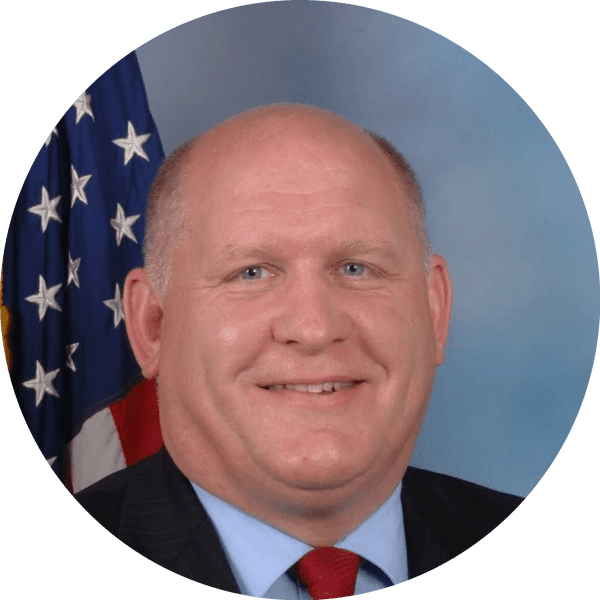
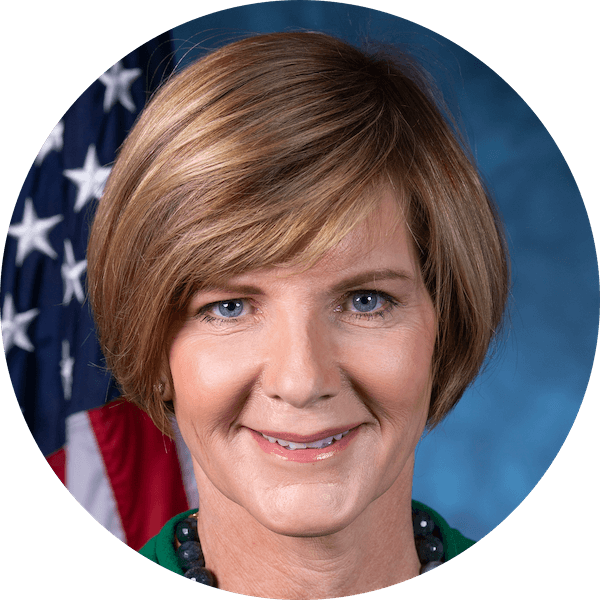
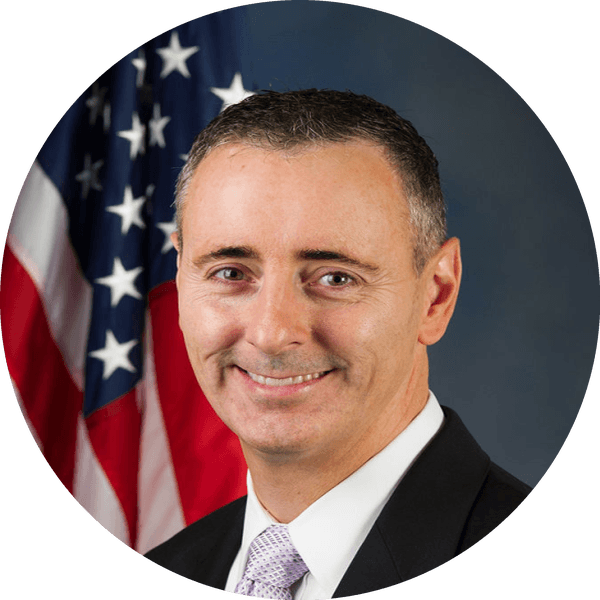
This bill has 6 cosponsors: 2 Democrats, 4 Republicans, reflecting bipartisan support. Cosponsors represent 5 states: Georgia, Nevada, Ohio, and 2 more.
Committee Sponsors
Energy and Natural Resources Committee
0 of 20 committee members cosponsored
No committee members have cosponsored this bill
Natural Resources Committee
2 of 45 committee members cosponsored


36 Republicans across these committees haven't cosponsored yet. Mobilize their constituents
H.R. 7618 Quick Facts



- Committee
- Energy and Natural Resources
- Chamber
- House
- Policy
- Public Lands and Natural Resources
- Introduced
- Feb 20, 2026
Passed the House, received in Senate
Jul 21, 2026
Official Sources
The National Park Service program whose grant rules H.R. 7618 amends — it administers the battlefield acquisition, restoration, and interpretation grants.
The land-buying grant program the bill extends from its scheduled 2028 sunset through 2036.
Restoration grants currently cover up to 50% of project costs; the bill raises the federal share to 75%.
Interpretation grants fund exhibits, signs, and digital tours; the bill raises their federal cost-share from 50% to 75%.
The Congressional Budget Office's official estimate of what implementing the bill would cost the federal government.
The Natural Resources Committee's report on H.R. 7618, with background, hearing record, and section-by-section analysis.
The statute the bill amends, replacing the program's 2028 expiration date with 2036.
H.R. 7618 Common Questions
What does H.R. 7618 change about battlefield preservation grants?
Two big things: the federal share of battlefield interpretation and restoration grants rises from 50% to 75%, and the land-acquisition grant program — set to expire in 2028 — gets extended through 2036.
How much of a battlefield project would the federal government pay for?
Up to 75% for interpretation and restoration projects, up from 50% today. A group restoring a $400,000 site would need to raise $100,000 locally instead of $200,000.
How much funding does H.R. 7618 authorize?
$2 million for each fiscal year through 2036, covering both the interpretation and restoration grant programs. Congress would still need to appropriate the money each year.
Which wars would the National Park Service study under H.R. 7618?
The French and Indian War (1754–1763) and the Mexican-American War (1846–1848). The studies would identify surviving U.S. sites, rank their significance, and assess threats to each.
Could the studies lead to new national parks?
Possibly. The studies must lay out preservation alternatives for each site, including potential designation as units of the National Park System. Designation itself would be a separate, later decision.
Who has a say in the battlefield studies?
The Interior Secretary must consult the governor of each affected state, each affected Indian Tribe, affected local governments, the American Battlefield Trust, and other historic preservation organizations.
When would Congress see the study results?
Within 2 years of funds being made available to carry out the studies — the clock starts when money flows, not when the bill passes.
Based on H.R. 7618 bill text
H.R. 7618 Bill Text
“To amend title 54, United States Code, to modify certain cost-sharing requirements for grant programs under the American Battlefield Protection Program, and for other purposes.”
Source: U.S. Government Publishing Office
Get notified when H.R. 7618 moves
Committee votes, floor action, cosponsor changes — straight to your inbox.
Bill alerts + Legisletter's monthly briefing. Unsubscribe anytime.
Public Lands and Natural Resources Bills
9 related bills we're tracking
Great American Outdoors Act 250



Ordered to be Reported in the Nature of a Substitute (Amended) by Voice Vote.
Jun 24, 2026
Arctic Refuge Protection Act


Referred to the House Committee on Natural Resources.
Apr 29, 2025
America the Beautiful Act




Placed on Senate Legislative Calendar under General Orders. Calendar No. 439.
Jun 17, 2026
Save Our Forests Act of 2025


Referred to the Committee on Agriculture, and in addition to the Committee on Natural Resources, for a period to be subsequently determined by the Speaker, in each case for consideration of such provisions as fall within the jurisdiction of the committee concerned.
May 21, 2025
Secure Rural Schools Reauthorization Act of 2025




Became Public Law No: 119-58.
Dec 18, 2025
Modernizing Access to Our Public Oceans Act


Placed on the Union Calendar, Calendar No. 438.
Feb 23, 2026
MAWS Act of 2026



Received in the Senate and Read twice and referred to the Committee on Commerce, Science, and Transportation.
Mar 18, 2026
Captain Accursio “Gus” Sanfilippo Young Fishermen’s Development Act



Received in the Senate.
Mar 4, 2026
Wintergreen Emergency Egress Act


Placed on Senate Legislative Calendar under General Orders. Calendar No. 664.
Sep 17, 2026
Trending Right Now
Bills gaining momentum across Congress
America’s Olympic and Paralympic Games Commemorative Coins Act



Referred to the House Committee on Financial Services.
Jul 14, 2025
Fit to Serve Act



Referred to the House Committee on Armed Services.
May 21, 2025
ASAP Act


Ordered to be Reported in the Nature of a Substitute by the Yeas and Nays: 40 - 0.
Sep 16, 2026
Tracking Public Lands and Natural Resources in Congress? Monitor bills, track cosponsor momentum, and launch advocacy campaigns — all from one advocacy platform.