H.R. 6723: Bring Our Heroes Home Act
Sponsor

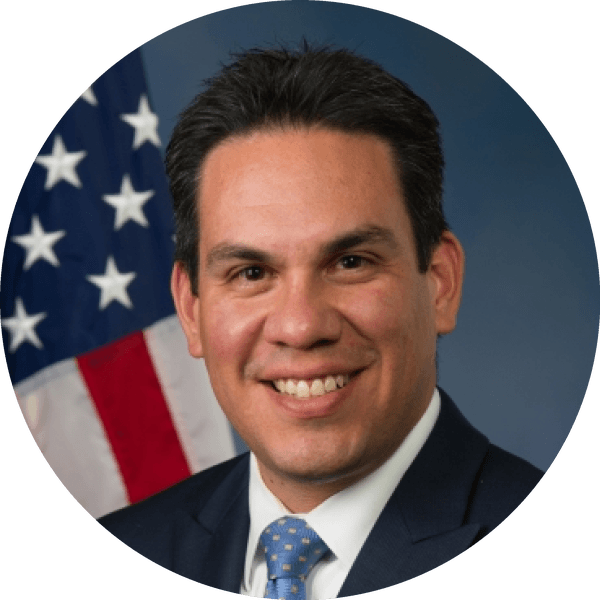
Chris Pappas
Democrat · NH-1
Open the files on every service member still missing
Why it matters
Families of troops and civilians who vanished as far back as Pearl Harbor have spent decades chasing scattered, classified files. H.R. 6723 would pull those records into one National Archives collection and put the government on a clock to release them — in full within 10 years.
H.R. 6723, the Bring Our Heroes Home Act, creates a single "Missing Armed Forces and Civilian Personnel Records Collection" at the National Archives and stands up a 5-member review board, appointed by the President and confirmed by the Senate, to push records into public view.
The scope is wide. It covers files on missing service members, on civilians and federal contractors who served alongside the military in the field, and on anyone whose status was later changed to "missing and presumed dead." The records reach from Pearl Harbor through the day the bill becomes law — World War II, Korea, Vietnam, and every conflict since.
The heart of the bill is its clock. Once the board has a quorum, government offices get 270 days to find and review their records. Transfers to the Archives have to start within 270 days and finish within a year. The long-stop deadline lands 10 years after the board's quorum: everything must be released in full unless the President personally certifies, in writing and with clear and convincing evidence, that a specific record still has to stay sealed.
The bill also tries to keep agencies from slow-walking or quietly rewriting history. Offices must certify under penalty of perjury that they ran a thorough search. No covered record can be destroyed, altered, or mutilated. Anything already made public before the law takes effect cannot be pulled back, redacted, or reclassified. And for records older than 25 years, the government can only keep something secret with "clear and convincing evidence" that the harm outweighs the public's interest in seeing it.
There are real carveouts. The Defense POW/MIA Accounting Agency and the military and State Department casualty offices don't have to hand over documents tied to active investigations or to families they're currently helping. The bill also yields to the tax-return privacy law and to the terms of donated records. And in a sense-of-Congress section, it presses the Secretary of State to ask Russia, China, and North Korea for records they may hold on America's missing.
Bill Progress
Latest Action · Dec 15, 2025
Referred to the House Committee on Oversight and Government Reform.
H.R. 6723 Bill Summary
What H.R. 6723 actually does.
One National Archives home for the missing
Within 90 days of the board reaching a quorum, the Archivist must start building a single collection — with a subject guidebook and index — for every covered record from December 7, 1941, to the day the bill becomes law. Today these files are scattered across agencies; this gathers them in one place.
An independent 5-member board with subpoena power
The President appoints 5 members, confirmed by the Senate, with at least one historian and one attorney and no current executive-branch employees. The board can subpoena documents, compel testimony, and make the final call on whether a record is released — even over an agency's objection. It shuts down 4 years after members are sworn in.
A 270-day search and a 1-year transfer clock
Once the board has a quorum, government offices have 270 days to find and review their records, and must finish transferring copies to the Archives within a year. The Archivist gets the same 270 days to flag which records are still classified.
Everything released in full within 10 years
Ten years after the board's quorum, all records must be disclosed in full unless the President personally certifies in writing that a specific record still needs to stay sealed. Anything still held back after the board ends gets re-reviewed at least every 5 years.
A higher wall for keeping old records secret
For records created more than 25 years before review, the government can only postpone release with 'clear and convincing evidence' that the harm outweighs the public interest. The bill limits the grounds to a short list — active intelligence sources, cryptology, war plans in effect, and serious diplomatic harm.
Perjury certification and a ban on destroying records
Each office must certify under penalty of perjury that it ran a thorough search. No covered record can be destroyed, altered, or mutilated, and anything already public before enactment cannot be withheld, redacted, or reclassified.
Who benefits from H.R. 6723?
Families still waiting for an answer
Relatives of service members and civilians who never came home get a single, organized path to the files on a loved one's loss, fate, or status — instead of filing scattered FOIA requests across agencies and waiting years. The bill's stated purpose is the fullest possible accounting for the missing.
Civilians and contractors who served alongside the military
The bill covers federal civilian employees and contractors who went missing while serving in direct support of, or accompanying, the Armed Forces in the field — not just uniformed troops. Their records get the same disclosure treatment.
Historians, researchers, and journalists
They gain a centralized Archives collection covering more than 80 years of records, plus a guidebook, an index, annual reports, and a public website updated every 30 days listing what's still being withheld and why.
Transparency advocates
The bill writes a presumption of disclosure into law, bars destruction or alteration of records, requires perjury-backed certifications, and stops agencies from re-sealing material that's already public.
Who is affected by H.R. 6723?
Executive agencies and military departments
They take on hard compliance duties: review records within 270 days of the board's quorum, start transfers within that window, finish within a year, and certify their searches under penalty of perjury. Anything they want to keep back requires a written, public justification.
The National Archives and the Archivist
The Archivist must launch the collection, guidebook, and index within 90 days of the board's quorum, flag all still-classified records within 270 days, and run the public website tracking postponements.
The Review Board and its staff
The board must issue disclosure rules within 90 days of being sworn in, publish a review schedule within 90 days, begin reviews within 180 days, and hire an Executive Director within 45 days of its first meeting. Members are paid at Level IV of the Executive Schedule; staff are capped at Level V.
The DPAA and casualty offices
The Defense POW/MIA Accounting Agency and the military and State Department casualty offices fall under the overall regime but are exempt from handing over documents tied to active investigations or to families they're currently supporting.
HR6723 Legislative Journey
House: Committee Action
Dec 15, 2025
Referred to the House Committee on Oversight and Government Reform.
About the Sponsor
Chris Pappas
Democrat, New Hampshire's 1st congressional district · 7 years in Congress
Committees: Veterans' Affairs, Transportation and Infrastructure
View full profile →
Cosponsors (2)
This bill has 2 cosponsors: 1 Democrat, 1 Republican, reflecting bipartisan support. Cosponsors represent 2 states: Idaho, Kentucky.
Committee Sponsors
Oversight and Government Reform Committee
0 of 47 committee members cosponsored
No committee members have cosponsored this bill
21 Democrats across this committee haven't cosponsored yet. Mobilize their constituents
H.R. 6723 Quick Facts


- Committee
- Oversight and Government Reform
- Chamber
- House
- Policy
- Government Operations and Politics
- Introduced
- Dec 15, 2025
Referred to the House Committee on Oversight and Government Reform.
Dec 15, 2025
Official Sources
The official Congress.gov page is the primary source for the bill text, status, sponsors, and actions.
The bill creates a new Missing Armed Forces and Civilian Personnel Records Collection at the National Archives, making NARA the central implementing institution.
NARA's military records resources are directly relevant because the bill concerns preservation and disclosure of records about missing service members.
The bill routes classified covered records through the National Declassification Center established under Executive Order 13526, the same mechanism the bill names for reviewing still-secret files.
The bill specifically references the Defense POW/MIA Accounting Agency and exempts its active investigations and family-support cases from the transfer requirements.
Section 3 of the bill incorporates the title 10 definition of 'missing person,' so the U.S. Code entry helps explain who is covered.
The bill defines executive agencies by reference to 5 U.S.C. 552(f) — the Freedom of Information Act — making the U.S. Code text relevant to which offices must search and review records.
The bill expressly preserves the tax-return confidentiality rule in 26 U.S.C. 6103 as an exception to its disclosure-preemption provision.
H.R. 6723 Common Questions
How far back do the records in H.R. 6723 go?
All the way to December 7, 1941. The bill covers files on troops and civilians who went missing from Pearl Harbor through the day the law takes effect — so World War II, Korea, Vietnam, and every conflict since.
How long would agencies have to turn over the records?
The clock starts when the review board gets a quorum. After that, offices have 270 days to find and review their records, must begin sending copies to the Archives within 270 days, and have to finish within 1 year.
When would everything become public?
H.R. 6723 sets a hard deadline 10 years after the board reaches a quorum: all records released in full. The only escape is the President personally certifying, with clear and convincing evidence, that a specific record still needs to stay sealed.
Does the bill cover civilians and contractors, not just troops?
Yes. The bill defines the missing to include federal civilian employees and contractors who went missing while serving in direct support of, or accompanying, the Armed Forces in the field.
Can the government still keep some files secret?
Yes, but the bar is high. For records over 25 years old, an office needs clear and convincing evidence that the harm outweighs the public interest, and the grounds are limited — things like active intelligence sources, war plans still in effect, and serious diplomatic harm.
What stops agencies from hiding or shredding records?
Each office has to certify under penalty of perjury that it ran a thorough search. The bill bans destroying, altering, or mutilating any covered record, and says anything already public can't be pulled back, redacted, or reclassified.
Are active DPAA cases exempt?
Yes. The Defense POW/MIA Accounting Agency, plus the military and State Department casualty offices, don't have to hand over documents tied to cases they're actively investigating or to families they're currently supporting.
Does the bill go after foreign records too?
It tries to. In a sense-of-Congress section, the bill says the Secretary of State should ask Russia, China, and North Korea — and any other government that may hold relevant files — to disclose records on America's missing.
Based on H.R. 6723 bill text
H.R. 6723 Bill Text
“To provide for the creation of the missing Armed Forces and civilian personnel Records Collection at the National Archives, to require the expeditious public transmission to the Archivist and public disclosure of missing Armed Forces and civilian personnel records, and for other purposes.”
Source: U.S. Government Publishing Office
Get notified when H.R. 6723 moves
Committee votes, floor action, cosponsor changes — straight to your inbox.
Bill alerts + Legisletter's monthly briefing. Unsubscribe anytime.
Government Operations and Politics Bills
9 related bills we're tracking
Protect Our Letter Carriers Act of 2025





Referred to the Committee on the Judiciary, and in addition to the Committee on Oversight and Government Reform, for a period to be subsequently determined by the Speaker, in each case for consideration of such provisions as fall within the jurisdiction of the committee concerned.
Feb 6, 2025
John R. Lewis Voting Rights Advancement Act of 2025




Referred to the House Committee on the Judiciary.
Mar 5, 2025
Washington, D.C. Admission Act


Referred to the Committee on Oversight and Government Reform, and in addition to the Committees on Rules, Armed Services, the Judiciary, and Energy and Commerce, for a period to be subsequently determined by the Speaker, in each case for consideration of such provisions as fall within the jurisdiction of the committee concerned.
Jan 3, 2025
Rights for the TSA Workforce Act





Referred to the Subcommittee on Transportation and Maritime Security.
Mar 11, 2025
DISCLOSE Act of 2026




Referred to the Committee on House Administration, and in addition to the Committees on Ways and Means, and the Judiciary, for a period to be subsequently determined by the Speaker, in each case for consideration of such provisions as fall within the jurisdiction of the committee concerned.
Mar 4, 2026
Federal Retirement Fairness Act




ASSUMING FIRST SPONSORSHIP - Ms. Randall asked unanimous consent that she may hereafter be considered as the first sponsor of H.R. 1522, a bill originally introduced by Representative Connolly, for the purpose of adding cosponsors and requesting reprintings pursuant to clause 7 of rule XII. Agreed to without objection.
Jul 22, 2025
FIND Act





Referred to the House Committee on Oversight and Government Reform.
Jan 3, 2025
Fair Pay for Federal Contractors Act of 2025


Referred to the Committee on Appropriations, and in addition to the Committee on Oversight and Government Reform, for a period to be subsequently determined by the Speaker, in each case for consideration of such provisions as fall within the jurisdiction of the committee concerned.
Sep 30, 2025
Saving the Civil Service Act


ASSUMING FIRST SPONSORSHIP - Mr. Walkinshaw asked unanimous consent that he may hereafter be considered as the first sponsor of H.R. 492, a bill originally introduced by Representative Connolly, for the purpose of adding cosponsors and requesting reprintings pursuant to clause 7 of rule XII. Agreed to without objection.
Sep 16, 2025
Trending Right Now
Bills gaining momentum across Congress
America’s Olympic and Paralympic Games Commemorative Coins Act





Referred to the House Committee on Financial Services.
Jul 14, 2025
Fit to Serve Act





Referred to the House Committee on Armed Services.
May 21, 2025
ASAP Act





Ordered to be Reported in the Nature of a Substitute by the Yeas and Nays: 40 - 0.
Sep 16, 2026
Tracking Government Operations and Politics in Congress? Monitor bills, track cosponsor momentum, and launch advocacy campaigns — all from one advocacy platform.