H.R. 7997: Research and Oversight of AI in Courts Act of 2026
Sponsor

Harriet Hageman
Republican · WY
Before AI transcribes your trial, Congress wants it vetted
Why it matters
A trial transcript is the official record — appeals are won or lost on what it says. AI transcription tools are already moving into courtrooms, and H.R. 7997 would create a 15-member task force to answer 15 specific questions about their accuracy, bias, cost, and security across every State and Federal court before they spread further.
H.R. 7997 directs the Attorney General, working through the National Institute of Justice, to launch an "AI Research and Oversight in Courts Task Force" within 60 days of the bill becoming law. The panel's mission: figure out whether AI speech-to-text and automatic speech recognition tools are ready for the official business of American courtrooms.
The task force has 15 seats — 4 for federal members like judges, prosecutors, clerks of court, and court-administration staff, and 11 for outside experts. Those outside seats come with a hard rule: no one who works for, contracts with, gets paid by, or represents a company that builds or sells AI technology can serve. The panel must include a civil-liberties law specialist, a judge with firsthand experience reversing a ruling over a flawed court record, and a member of a professional association for court record-keeping.
The final report — due to the Attorney General and the House and Senate Judiciary Committees within 18 months of the task force's launch — must answer 15 specific questions. They include whether AI transcription garbles testimony from people with speech impediments, accents, or dialects; whether it raises or lowers costs for litigants and courts; what cybersecurity risks it creates; whether AI-touched records keep their evidentiary value; and whether those records should carry watermarks or metadata showing which tool and version produced them. Status reports are due to Congress every 4 months along the way.
What the bill doesn't do matters too. There's no funding authorization, no penalties, and no mandate to adopt or reject AI in any courtroom. Members serve unpaid, with travel reimbursed at standard federal rates. The whole Act dissolves the day the final report is filed — and its scope covers every State and Federal court in the United States and its territories.
Bill Progress
Latest Action · Mar 19, 2026
Referred to the House Committee on the Judiciary.
H.R. 7997 Bill Summary
What H.R. 7997 actually does.
The task force launches within 60 days
The Attorney General, acting through the Director of the National Institute of Justice, must establish the AI Research and Oversight in Courts Task Force no later than 60 days after the bill becomes law.
Courtroom veterans fill the 15 seats
The National Institute of Justice Director appoints all 15 members: 4 federal members drawn from the NIJ, the Administrative Office of the U.S. Courts, clerks of court, federal judges, or federal prosecutors, and 11 non-federal members. Every member must have expertise in court record-making or the technology courts use to create and modify records.
AI vendors are barred from the table
Non-federal members may not be employed by, contracted with, paid by, or represent any entity that develops, markets, sells, or provides AI technologies or related services. Required seats include a civil-liberties law specialist, a judge with experience reversing a ruling over a record deficiency, and a member of a professional association for judicial record-making.
Accents and speech impediments get a dedicated study
The final report must examine whether AI transcription alters comments from people with speech impediments, unique speech patterns, accents, or dialects — alongside accuracy, litigant costs, court expenditures, cybersecurity risks, and the evidentiary value of AI-handled records.
Watermarks and metadata are on the table
The task force must weigh whether AI-created or AI-modified court records should display a watermark, header, footer, or banner, whether that label should be permanent, and whether records should carry metadata logging which AI tool and version touched them and what changed.
Reports every 4 months, then the Act sunsets
Status reports go to the House and Senate Judiciary Committees 4 months after enactment and every 4 months after that. The final report is due within 18 months of the task force's creation — and the task force and the Act itself terminate the day it's submitted.
Who benefits from H.R. 7997?
Litigants and anyone who testifies in court
Your appeal rests on the accuracy of the official record. The final report must analyze whether AI transcription affects transcript quality and whether the technology raises or lowers costs for litigants.
People with accents, dialects, or speech impediments
The bill requires a dedicated study of whether AI speech-to-text alters comments from people with speech impediments, unique speech patterns, accents, or dialects — surfacing any bias before courts rely on these tools more broadly.
Court reporters and record-keeping professionals
A member of a professional association specializing in judicial record-making and its technology holds a guaranteed seat, giving the profession a formal voice in how AI enters its field.
Judges and court administrators
Before making procurement decisions, courts would get vetted answers on cybersecurity, data integrity, vendor selection, and whether AI-handled records hold up as evidence — plus a 10-year outlook on where the technology is headed.
Who is affected by H.R. 7997?
Every State and Federal court
The bill defines the "United States judicial system" as all State and Federal courts in the United States and its territories, so the review covers courtrooms nationwide — not just the federal bench.
The Attorney General and the National Institute of Justice
They must stand up the task force within 60 days of enactment, appoint its 15 members through the NIJ Director, and receive the final report within 18 months of the panel's creation.
AI transcription vendors
No fines or bans apply, but vendors cannot hold non-federal seats on the task force, and the final report may recommend vendor-selection guidance, watermark requirements, and metadata rules that shape how courts buy their products.
Task force members
Members serve without pay, must meet the bill's expertise requirements, and operate under vacancy rules requiring the co-chairs to fill any open seat within 15 days.
HR7997 Legislative Journey
House: Committee Action
Mar 19, 2026
Referred to the House Committee on the Judiciary.
About the Sponsor
Harriet Hageman
Republican, Wyoming · 3 years in Congress
Committees: House Select Subcommittee to Investigate the Remaining Questions Surrounding January 6, 2021, Natural Resources, the Judiciary
View full profile →
Cosponsors (3)
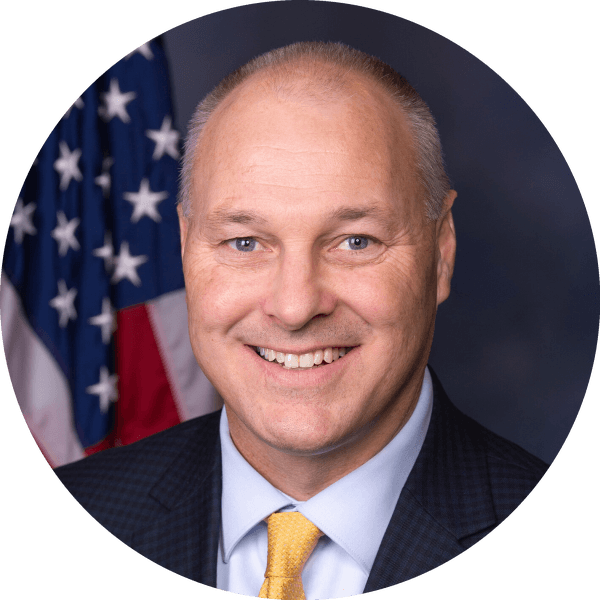
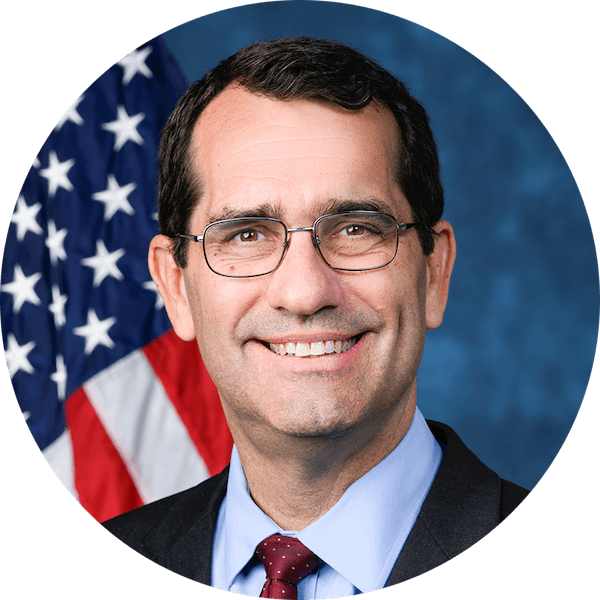
This bill has 3 cosponsors: 1 Democrat, 2 Republicans, reflecting bipartisan support. Cosponsors represent 3 states: District of Columbia, Kansas, Minnesota.
Committee Sponsors

23 Republicans across this committee haven't cosponsored yet. Mobilize their constituents
H.R. 7997 Quick Facts

- Committee
- Judiciary
- Chamber
- House
- Policy
- Law
- Introduced
- Mar 19, 2026
Referred to the House Committee on the Judiciary.
Mar 19, 2026
Official Sources
The official legislative record for the bill, including text, cosponsors, and committee actions.
The Senate companion to H.R. 7997, introduced the same month with the same task force structure.
The official published text of the bill as introduced in the House.
The DOJ research agency whose Director would appoint all 15 task force members and stand up the panel within 60 days.
NIJ's existing AI research portfolio, the foundation the task force's study of courtroom transcription tools would build on.
One of the federal bodies whose employees can fill the task force's 4 federal seats.
How federal courts currently record proceedings and produce official transcripts — the process AI transcription tools would change.
H.R. 7997 Common Questions
Does H.R. 7997 ban AI transcription in courts?
No. It's a study bill — the task force investigates and recommends, but nothing in H.R. 7997 bans, approves, or mandates AI transcription anywhere. There are no penalties, and the whole Act expires the day the final report is filed.
Does the AI in courts bill apply to state courts or only federal courts?
Both. The bill defines the "United States judicial system" as all State and Federal courts in the United States and its territories, so the task force's review covers courtrooms nationwide.
Who would serve on the AI courts task force?
15 members appointed by the National Institute of Justice: 4 federal members drawn from judges, prosecutors, court clerks, and court administrators, plus 11 outside experts — including a civil-liberties law specialist, a judge who has reversed a ruling over a flawed record, and a court record-keeping professional.
Can AI companies get a seat on the task force?
No. The 11 non-federal members can't be employed by, contracted with, paid by, or represent any company that develops, markets, sells, or provides AI technologies or related services.
Will the task force study how AI handles accents and speech impediments?
Yes. The final report must examine whether AI transcription alters comments from people with speech impediments, unique speech patterns, accents, or dialects — one of 15 questions the report has to answer.
When would the task force deliver its findings?
The task force must launch within 60 days of enactment, send Congress a status report every 4 months, and deliver its final report to the Attorney General and the House and Senate Judiciary Committees within 18 months of its creation.
Could AI-generated court transcripts get watermarks?
That's on the study list. The final report must weigh whether AI-created or AI-modified records should carry a watermark, header, footer, or banner — and whether metadata should log which AI tool and version touched the record and what changed.
Based on H.R. 7997 bill text
H.R. 7997 Bill Text
“To establish a task force to address legal and ethical issues related to the use of AI speech-to-text technology and automatic speech recognition technology in the United States judicial system, and for other purposes.”
Source: U.S. Government Publishing Office
Get notified when H.R. 7997 moves
Committee votes, floor action, cosponsor changes — straight to your inbox.
Bill alerts + Legisletter's monthly briefing. Unsubscribe anytime.
Law Bills
3 related bills we're tracking
Countering Threats and Attacks on Our Judges Act



Held at the desk.
Nov 20, 2025
Diversity Jurisdiction Inflation Adjustment Act



Held at the desk.
Aug 10, 2026
No Appointments by Rogue Judges Act

Referred to the House Committee on the Judiciary.
Aug 15, 2025
Trending Right Now
Bills gaining momentum across Congress
North Platte Canteen Congressional Gold Medal Act



Referred to the House Committee on Financial Services.
Feb 21, 2025
Fit to Serve Act


Referred to the House Committee on Armed Services.
May 21, 2025
ASAP Act


Ordered to be Reported in the Nature of a Substitute by the Yeas and Nays: 40 - 0.
Sep 16, 2026
Tracking Law in Congress? Monitor bills, track cosponsor momentum, and launch advocacy campaigns — all from one advocacy platform.