H.R. 2159: Count the Crimes to Cut Act
Sponsor

Chip Roy
Republican · TX-21
There's no official count of federal crimes. This makes one.
Why it matters
No one — not the Justice Department, not Congress — can say exactly how many federal crimes are on the books. H.R. 2159 orders the Attorney General and 35 federal agencies to count every one, list the penalty and the intent each requires, and publish 15 years of prosecution data in a public, searchable index. CBO pegs the cost at about $7 million. The bill cleared the House by voice vote and now sits in the Senate.
H.R. 2159, the Count the Crimes to Cut Act, is a counting-and-publishing measure. It doesn't repeal a single crime or change a single penalty. What it forces the government to do is put in writing the full size of the federal criminal code.
The Attorney General gets one year to hand Congress a complete list of every federal criminal statute — each one's legal elements, its maximum penalty, the level of intent it requires, and how many times the Justice Department prosecuted it each year over the past 15 years.
Thirty-five agencies — from the EPA and SEC to the FCC, Treasury, and Homeland Security — have to do the same for criminal offenses written into their regulations rather than passed by Congress. Within two years, all of it goes into public, searchable indexes on the Justice Department's website and each agency's site.
Supporters across the aisle argue you can't fix or shrink a criminal code you've never measured. The "to Cut" in the title is the stated goal: count first, then decide what's worth keeping. Whether any crimes actually get cut is a separate fight for another day.
Bill Progress
Latest Action · Apr 14, 2026
Passed the House, received in Senate
H.R. 2159 Bill Summary
What H.R. 2159 actually does.
Every federal crime gets counted
The Attorney General must compile a complete list of all federal criminal statutes, including the legal elements that define each offense.
Penalties and intent spelled out
For every crime on the list, the report must state the maximum penalty and the level of intent (mens rea) required for a conviction.
15 years of prosecution data
The report must show how many times the Justice Department prosecuted each offense each year over the 15 years before the bill becomes law.
Regulatory crimes counted too
Thirty-five federal agencies must list every criminal offense written into their regulations, not just the crimes Congress wrote into statute.
A public, searchable index
Within two years, the Justice Department and each agency must publish their lists online, free and accessible to anyone.
Who benefits from H.R. 2159?
Anyone who can be charged with a federal crime
For the first time there would be a single public place to look up what is actually illegal under federal law and what the penalty is.
Criminal justice reformers, left and right
Groups across the spectrum have argued the federal code is too vast to know; the report hands them hard data to push for cuts.
Defense attorneys
A searchable catalog of offenses, penalties, and intent standards makes it easier to research and challenge federal charges.
Members of Congress
Lawmakers get a measured picture of the criminal code before voting to add to it or trim it.
Who is affected by H.R. 2159?
Department of Justice
DOJ has one year to build a list no administration has ever fully assembled, then a public index within two.
35 federal agencies
Each must comb its own regulations for criminal offenses and report 15 years of DOJ referral data to Congress.
Future Congresses
Once the count exists, lawmakers face pressure to act on offenses that are rarely or never prosecuted.
Federal prosecutors
Compiling 15 years of annual prosecution numbers for every statute pulls in caseload data the department does not publish in one place today.
What Congress Is Saying
11 legislators have weighed in on H.R. 2159 — 5 Democrats, 6 Republicans.
Mr. Speaker, the Federal Government has turned the criminal code into a labyrinth, a maze so bloated and disorganized that not even the DOJ can tell you how many Federal crimes exist. That is why I rise in strong support of H.R. 2159, the Count the Crimes to Cut Act, led by my friend, Chip Roy from Texas, Representative McBath, who is the ranking member on our Subcommittee of Crime and Federal Government Surveillance, and supported by Members of both parties who understand that freedom collapses when the law becomes unknowable.
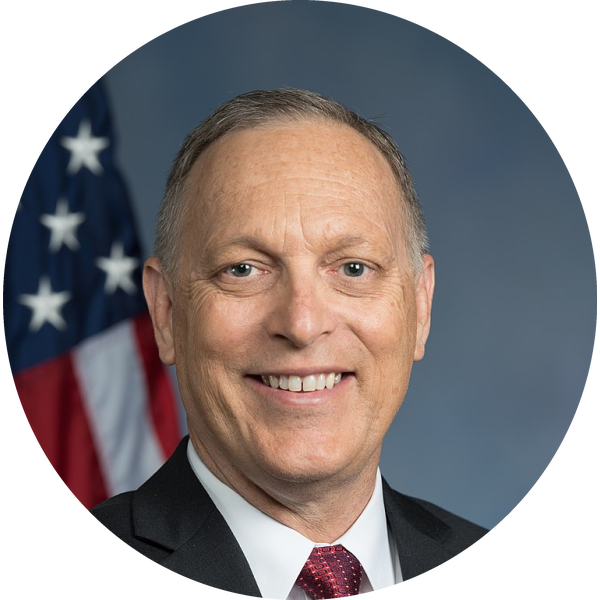
H.R. 2159 also appeared in 3 more House floor references and 3 routine cosponsor filings.
HR2159 Legislative Journey
Committee Action
Apr 14, 2026
Committee on the Judiciary. Reported by Senator Grassley without amendment. Without written report.
Passed Committee
Mar 26, 2026
Committee on the Judiciary. Ordered to be reported without amendment favorably.
Committee Action
Dec 2, 2025
Received in the Senate and Read twice and referred to the Committee on the Judiciary.
House: Vote Held
Dec 1, 2025
On motion to suspend the rules and pass the bill, as amended Agreed to by voice vote. (text: CR H4923)
House: Committee Action
Oct 17, 2025
Reported (Amended) by the Committee on Judiciary. H. Rept. 119-346.
House: Vote Held
Jun 10, 2025
Ordered to be Reported in the Nature of a Substitute by Voice Vote.
House: Committee Action
Mar 14, 2025
Referred to the House Committee on the Judiciary.
About the Sponsor
Chip Roy
Republican, Texas's 21st congressional district · 7 years in Congress
Committees: Rules, the Judiciary, the Budget
View full profile →
Cosponsors (4)
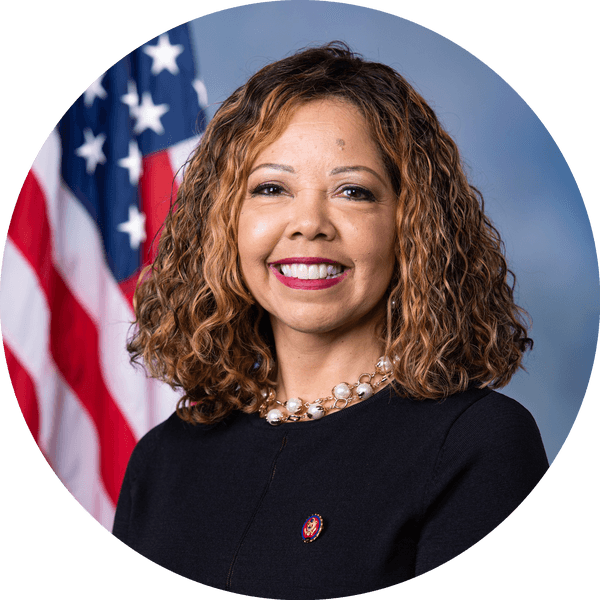
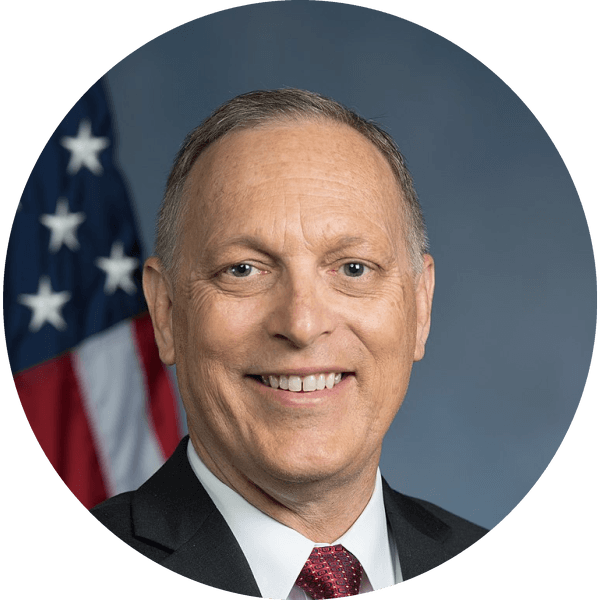
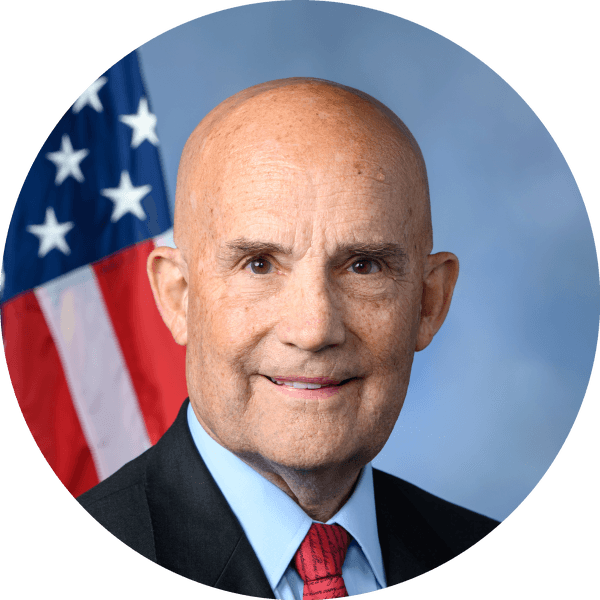
This bill has 4 cosponsors: 2 Democrats, 2 Republicans, reflecting bipartisan support. Cosponsors represent 4 states: Arizona, Georgia, Tennessee, and 1 more.
Committee Sponsors
Judiciary Committee
0 of 21 committee members cosponsored
No committee members have cosponsored this bill
Judiciary Committee
3 of 44 committee members cosponsored


34 Republicans across these committees haven't cosponsored yet. Mobilize their constituents
H.R. 2159 Quick Facts

- Committee
- Judiciary
- Chamber
- House
- Policy
- Crime and Law Enforcement
- Introduced
- Mar 14, 2025
Passed the House, received in Senate
Apr 14, 2026
Official Sources
Official bill text, cosponsors, and full legislative history for the Count the Crimes to Cut Act
Congressional Budget Office estimate projecting $7 million over 2026-2031 for DOJ to compile the federal crimes report
The Justice Department division responsible for enforcing federal criminal laws — the entity that would compile the statutory offenses report
The DOJ office that develops criminal justice policy and analyzes federal caseload statistics — directly relevant to the 15-year prosecution data this bill requires
The committee that reported H.R. 2159 (H. Rept. 119-346) and one of two committees that will receive the Attorney General's crime report
The Senate committee currently considering H.R. 2159 after it passed the House by voice vote in December 2025
H.R. 2159 Common Questions
How many federal crimes are there?
No one knows the exact number, and that's the whole point of H.R. 2159. Federal crimes are scattered across statutes and agency regulations with no master list. The bill orders the government to finally count them all.
What does the Count the Crimes to Cut Act actually require?
It gives the Attorney General one year to send Congress a full list of every federal criminal statute, with each crime's penalty, its required intent, and 15 years of prosecution numbers.
Does it cover crimes created by federal agencies, not just Congress?
Yes. Thirty-five agencies, including the EPA, SEC, FCC, and Treasury, must list every criminal offense written into their regulations and report how often each was referred to the DOJ for prosecution.
Will the list of federal crimes be public?
Yes. Within two years of becoming law, the Justice Department and each agency must publish a free, searchable index of their criminal offenses online.
Does H.R. 2159 actually repeal any crimes?
No. It only counts and publishes them. The "to Cut" in the title is the long-term goal — supporters say you can't trim a code you've never measured — but cutting anything would take separate legislation.
How much would it cost?
CBO estimates about $7 million over 2026-2031, mostly staff time at the DOJ and agencies. The bill explicitly bars any new appropriations, so the work comes out of existing budgets.
Is the Count the Crimes to Cut Act bipartisan?
Yes. It's led by Republican Chip Roy with Democrats Lucy McBath and Steve Cohen among the cosponsors. It passed the House by voice vote in December 2025 and now sits in the Senate Judiciary Committee.
What is a mens rea requirement and why does the bill list it?
Mens rea is the level of intent prosecutors must prove — whether you broke the law knowingly, recklessly, or by accident. The report must note it for each crime, so it's clear which offenses require intent and which don't.
Based on H.R. 2159 bill text
H.R. 2159 Bill Text
“To direct the Attorney General of the United States to submit to the Congress a report on Federal criminal offenses, and for other purposes.”
Source: U.S. Government Publishing Office
Get notified when H.R. 2159 moves
Committee votes, floor action, cosponsor changes — straight to your inbox.
Bill alerts + Legisletter's monthly briefing. Unsubscribe anytime.
Crime and Law Enforcement Bills
9 related bills we're tracking
Crime Victims Fund Stabilization Act of 2025




Received in the Senate and Read twice and referred to the Committee on the Judiciary.
Jan 13, 2026
Bipartisan Background Checks Act of 2025



Referred to the House Committee on the Judiciary.
Jun 10, 2025
Combating Organized Retail Crime Act of 2025



Received in the Senate and Read twice and referred to the Committee on the Judiciary.
May 13, 2026
Ethan's Law



Referred to the House Committee on the Judiciary.
Feb 25, 2025
Assault Weapons Ban of 2025


Referred to the House Committee on the Judiciary.
Apr 30, 2025
Constitutional Concealed Carry Reciprocity Act of 2025



Placed on the Union Calendar, Calendar No. 289.
Oct 3, 2025
Honoring Our Fallen Heroes Act of 2025


Referred to the House Committee on the Judiciary.
Feb 12, 2025
Raise the Age Act of 2025


Referred to the House Committee on the Judiciary.
Mar 26, 2025
Born-Alive Abortion Survivors Protection Act


Received in the Senate and Read twice and referred to the Committee on the Judiciary.
Jan 24, 2025
Trending Right Now
Bills gaining momentum across Congress
ASAP Act



Ordered to be Reported in the Nature of a Substitute by the Yeas and Nays: 40 - 0.
Sep 16, 2026
Federal Firearms Licensee Protection Act of 2025




Referred to the House Committee on the Judiciary.
Mar 3, 2025
Therapeutic Fraud Prevention Act of 2025



Referred to the House Committee on Energy and Commerce.
May 7, 2025
Tracking Crime and Law Enforcement in Congress? Monitor bills, track cosponsor momentum, and launch advocacy campaigns — all from one advocacy platform.