S. 351: STEWARD Act of 2025
Sponsor

Shelley Capito
Republican · WV
Federal grants to fix America's recycling dead zones
Why it matters
S. 351 would put $30 million a year — $150 million over five years — into grants for towns that can't recycle, with priority for places where the nearest sorting facility sits more than 75 miles away. At least 70% of the money is reserved for underserved communities. It passed the Senate by voice vote and is now in the House.
The STEWARD Act of 2025 does two things. First, it creates a competitive grant program at the EPA aimed at "recycling deserts" — communities where getting materials to a sorting facility is too far or too expensive to bother.
Grants run from $500,000 to $15 million per project, and the money goes toward physical infrastructure: more transfer stations to consolidate materials, expanded curbside pickup where it makes sense, and partnerships to cut hauling costs. At least 70% of the funds each year are set aside for underserved communities, and priority goes to areas with no more than one sorting facility within a 75-mile radius.
Second, it pushes the EPA to finally measure what's happening. The agency would inventory every materials recovery facility in the country, build a standardized recycling rate, and report back to Congress — closing a gap where nobody has reliable national numbers on what actually gets recycled.
The grants can't be spent on education campaigns; this is about pipes and trucks, not posters. The program is capped at five years as a pilot.
Bill Progress
Latest Action · Nov 20, 2025
Passed the Senate, received in House
S. 351 Bill Summary
What S. 351 actually does.
Grants to reach recycling deserts
Creates a competitive EPA grant program for states, local governments, tribes, and public-private partnerships to improve recycling access, with priority for communities that have no more than one sorting facility within 75 miles.
Grants run $500K to $15M per project
Each award must be at least $500,000 and no more than $15 million, and can fund transfer stations, expanded curbside pickup, and partnerships to lower hauling costs.
70% reserved for underserved communities
At least 70% of the annual grant funds must go to projects in one or more underserved communities — places priced out of existing recycling capacity.
EPA builds a national recycling picture
Directs the EPA to inventory materials recovery facilities nationwide, develop a standardized recycling rate, and report to Congress, addressing the lack of reliable national data.
Recipients chip in at least 5%
The federal share is capped at 95% of project cost, so grant recipients generally cover at least 5% themselves.
Who benefits from S. 351?
Towns without recycling access
Rural and unincorporated communities where the nearest sorting facility is too far to make recycling worth the cost — the bill's central target.
Tribal communities
Indian Tribes are named as eligible applicants and can use grants to build recycling infrastructure on tribal lands.
Local governments
Cities and counties can fund transfer stations and curbside expansion they couldn't afford on their own, with up to 95% covered federally.
Recycling and hauling companies
Public-private partnerships are eligible applicants, opening new contracts as infrastructure expands in underserved areas.
Who is affected by S. 351?
Grant applicants
Must submit competitive applications and cover at least 5% of project costs; the money is not automatic and not every community will be selected.
The EPA
Takes on new mandates: standing up the grant program within 18 months, inventorying facilities, and developing national recycling metrics.
States and local governments
Asked to supply recycling and composting data voluntarily so the EPA can build national rates; the bill bars unfunded mandates on them.
Recycling education programs
Explicitly cannot be funded with these grants — the money is restricted to physical infrastructure.
Cost & Funding
Authorization
$30M/year for the grant program plus $4M/year for data collection, FY2025–2029
- The grant program is authorized at $30 million per year for fiscal years 2025 through 2029 — $150 million over five years.
- Data collection and reporting get a separate $4 million per year over the same period.
- Authorization is a ceiling, not a guarantee; Congress still has to appropriate the money in later budgets.
- The EPA can use up to 5% of grant funds for administrative costs and technical assistance to applicants.
S351 Legislative Journey
Passed 8395-8398
Nov 20, 2025
Passed Senate without amendment by Voice Vote. (consideration: CR S8395-8398; text: CR S8395-8398)
+4 more actions this day
Committee Action
Feb 5, 2025
Committee on Environment and Public Works. Reported by Senator Capito without amendment. Without written report.
Committee Action
Jan 30, 2025
Read twice and referred to the Committee on Environment and Public Works.
About the Sponsor
Shelley Capito
Republican, WV · 25 years in Congress
Committees: Environment and Public Works, Rules and Administration, Appropriations
View full profile →
Cosponsors (2)
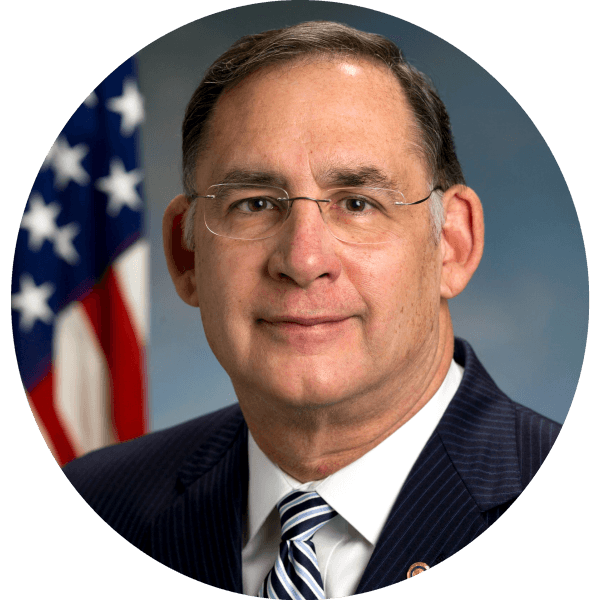
This bill has 2 cosponsors: 1 Democrat, 1 Republican, reflecting bipartisan support. Cosponsors represent 2 states: Arkansas, Rhode Island.
Committee Sponsors
Environment and Public Works Committee
2 of 18 committee members cosponsored


8 Republicans across this committee haven't cosponsored yet. Mobilize their constituents
What laws does S. 351 change?
1 changes
Sections Amended
Section 1001 of Solid Waste Disposal Act (Public Law 89-272; 90 Stat. 2795; 98 Stat. 3268)
inserting after the item relating to section 4010 the following: ``Sec
S. 351 Quick Facts

- Committee
- Environment and Public Works
- Chamber
- Senate
- Policy
- Environmental Protection
- Introduced
- Jan 30, 2025
Passed the Senate, received in House
Nov 20, 2025
Official Sources
The official bill page with full text, actions, and the November 2025 Senate voice-vote record.
EPA's existing competitive recycling-infrastructure grant program for states and local governments, the model the STEWARD Act's grants build on.
The tribal track of EPA's recycling grants; the STEWARD Act names Indian Tribes as eligible applicants.
The federal strategy whose data-collection and measurement objectives the bill would help implement.
EPA's methodology for a standardized national recycling rate, the metric S. 351 directs the agency to develop.
EPA's assessment of recycling infrastructure stock and data gaps, the kind of facility inventory the bill mandates.
GAO's report on cross-cutting recycling challenges; the bill directs GAO to report on federal recycling activities.
S. 351 Common Questions
How big are the STEWARD Act recycling grants?
Each grant runs from $500,000 to $15 million per project. The money funds physical infrastructure like transfer stations and curbside expansion, not education campaigns.
Which communities get priority for STEWARD Act grants?
Priority goes to communities with no more than one materials recovery facility within 75 miles — the "recycling deserts" where the nearest sorting plant is too far to make recycling worthwhile.
Do you have to match STEWARD Act grant money?
Mostly. The federal government covers up to 95% of a project's cost, so recipients generally have to put up at least 5% themselves.
How much STEWARD Act funding goes to underserved communities?
At least 70% of the grant money each year is reserved for projects in underserved communities — places priced out of using existing recycling capacity.
Can Indian Tribes apply for STEWARD Act recycling grants?
Yes. Indian Tribes are named as eligible applicants, alongside states, local governments, and public-private partnerships.
How much money does the STEWARD Act authorize?
The grant program is authorized at $30 million a year for fiscal years 2025 through 2029 — $150 million total — plus a separate $4 million a year for data collection.
What recycling data would the EPA collect under the STEWARD Act?
The EPA would inventory every materials recovery facility in the country, collect voluntary recycling data from states, and build a standardized national recycling rate — numbers that don't reliably exist today.
Has the STEWARD Act passed?
It passed the Senate by voice vote on November 20, 2025, and has moved to the House. It still needs House passage and the President's signature to become law.
Based on S. 351 bill text
S. 351 Bill Text
“To establish a pilot grant program to improve recycling accessibility, to require the Administrator of the Environmental Protection Agency to carry out certain activities to collect and disseminate data on recycling and composting programs in the United States, and for other purposes.”
Source: U.S. Government Publishing Office
Get notified when S. 351 moves
Committee votes, floor action, cosponsor changes — straight to your inbox.
Bill alerts + Legisletter's monthly briefing. Unsubscribe anytime.
Environmental Protection Bills
9 related bills we're tracking
Water Affordability, Transparency, Equity, and Reliability Act of 2025





Referred to the Subcommittee on Water Resources and Environment.
May 13, 2025
To amend the Clean Air Act with respect to the ethanol waiver for Reid Vapor Pressure under that Act, and for other purposes.





Received in the Senate and Read twice and referred to the Committee on Environment and Public Works.
May 14, 2026
Save Our Sequoias Act



Committee on Energy and Natural Resources. Hearings held.
Sep 16, 2026
Harmful Algal Bloom and Hypoxia Research and Control Amendments Act of 2025



Held at the desk.
Sep 11, 2025
ePermit Act

Received in the Senate and Read twice and referred to the Committee on Environment and Public Works.
Dec 10, 2025
Water Infrastructure Resilience and Sustainability Act


Referred to the Subcommittee on Water Resources and Environment.
Dec 1, 2025
Chesapeake Bay Watershed Advancement for Training, Education, Restoration, and Science (WATERS) Act




Received in the Senate and Read twice and referred to the Committee on Commerce, Science, and Transportation.
Sep 15, 2026
Mining Regulatory Clarity Act




Placed on Senate Legislative Calendar under General Orders. Calendar No. 334.
Feb 11, 2026
Data Center Water and Energy Transparency Act of 2026



Read twice and referred to the Committee on Energy and Natural Resources. (text: CR S1616-1617)
Mar 25, 2026
Trending Right Now
Bills gaining momentum across Congress
ASAP Act

Ordered to be Reported in the Nature of a Substitute by the Yeas and Nays: 40 - 0.
Sep 16, 2026
Federal Firearms Licensee Protection Act of 2025

Referred to the House Committee on the Judiciary.
Mar 3, 2025
Therapeutic Fraud Prevention Act of 2025



Referred to the House Committee on Energy and Commerce.
May 7, 2025
Tracking Environmental Protection in Congress? Monitor bills, track cosponsor momentum, and launch advocacy campaigns — all from one advocacy platform.